 Skip to main content

Fatty Liver Stages – Understanding the Early Stage and What You Can Do
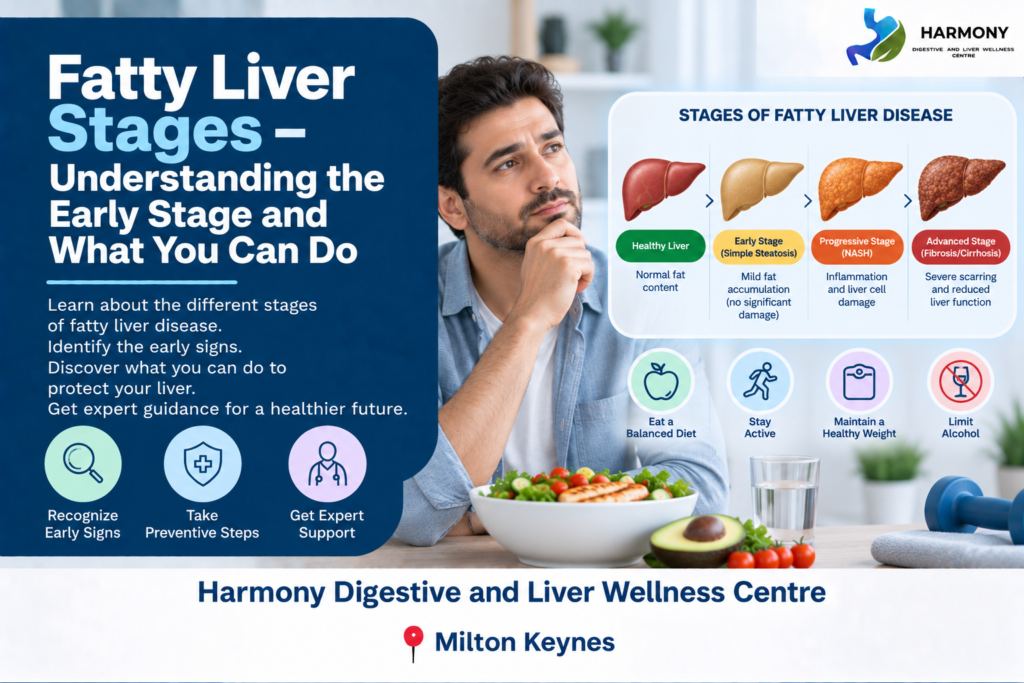
Fatty liver disease has now become a very common issue. The causes of grade 1 fatty liver lifestyle factors such as diet, weight, and activity levels. This is the earliest stage and is also known as mild fatty liver. With the right care, this stage can be reversed. Let’s understand what it means, how it develops, and what you can do to protect your liver. What are Fatty Liver Stages? Grade 1 of Fatty Liver Disease The liver contains a small amount of fat. But when this fat makes up more that 5-10% of its weight, it is called fatty liver disease. In Grade 1 fatty liver, fat deposits are present but there is little or no swelling of the liver cells. Most people with Grade 1 fatty liver do not notice any symptoms. That is why it is usually detected during routine scans or tests done for other reasons. What Causes Fatty Liver Disease? The following are some factors that can lead to fat build-up in the liver: Being overweight or obese Unhealthy diet, high in refined carbs and sugars Sedentary lifestyle Type 2 diabetes or insulin resistance High cholesterol or triglycerides Alcohol consumption (even small amounts for some people) In many cases, non-alcoholic fatty liver disease (NAFLD) is the cause, where excess fat develops without heavy drinking. Why Early Detection Matters The early stage is the best time to act. If it is ignored, Grade 1 fatty liver can progress to inflammation (Grade 2), fibrosis (scarring), and even cirrhosis. By making changes now, you can prevent long-term damage. How is it Diagnosed? Fatty liver is identified with: Ultrasound scan – to detect fat in the liver Blood tests – to check liver enzymes FibroScan – to assess liver stiffness and fat levels If you’re looking for a private liver specialist in Milton Keynes, timely detection can help you understand your liver’s health and create a personalized plan for the treatment. Treatment and Lifestyle Changes A single medicine cannot cure fatty liver. It can generally be reversed by making some lifestyle changes. Your doctor may recommend: Weight loss – even a 5–10% reduction can help Balanced diet – consume more vegetables, whole grains, and lean protein Cutting down on sugars and processed foods Regular physical activity – 30 minutes a day, most days of the week Limiting alcohol or completely cutting it down If you are looking for early stage fatty liver care in Milton Keynes, personalised diet and exercise advice can make all the difference. When to See a Specialist If you have diabetes, high cholesterol, obesity, or your tests suggest liver fat build-up, consult a private liver specialist. They can guide you with steps to protect your liver. Key Takeaway In Fatty Liver Stages, Grade 1 fatty liver is your liver’s early warning sign. By healthy eating, regular exercise, and specialist guidance, you can restore liver health and prevent future complications. If you’re concerned about your liver or want expert guidance, Harmony Digestive and Liver Wellness Centre offers non-alcoholic fatty liver disease support with personalised care plans to help you take control of your liver health. Book a consultation or screening today: Click Here Had a great experience with us? We’d love to hear your thoughts! Click here to leave a Google review and share your feedback. Get in touch with us if have any further queries.
How to Prevent Gastroesophageal reflux disease (GERD): Easy Steps Toward Healthier Digestion
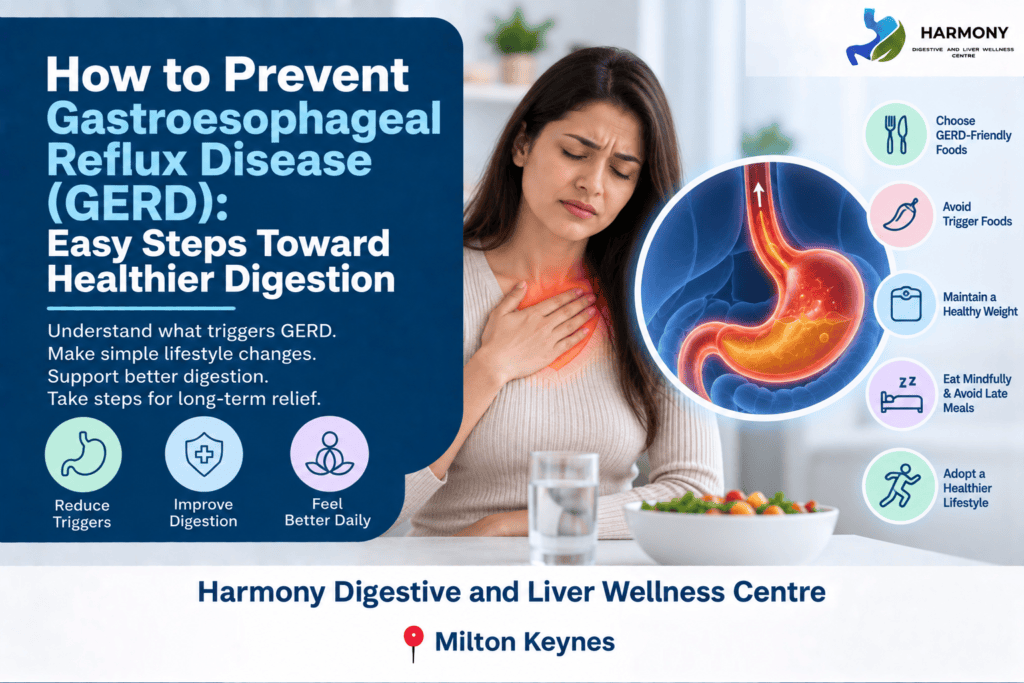
Gastroesophageal reflux disease (GERD) is the condition where the acid from the stomach flows back into the oesophagus. This may cause irritation to the lining of the stomach and result in heartburn, regurgitation, chest discomfort, and in some cases, difficulty swallowing. Occasional symptoms of acid reflux are quite common, however, frequent and/or severe symptoms of acid reflux may signify a more serious issue such as GERD. If not treated, Gastroesophageal reflux disease may result in complications such as oesophagitis (inflammation), ulcers, or some more serious changes in the lining of the oesophagus. Why Prevention Is Important Chronic acid reflux may significantly disrupt one’s lifestyle. It may interfere with one’s sleep, diet, and overall well-being. But with some practical changes you can reduce these risks. Tips to Prevent Gastroesophageal reflux disease (GERD) 1. Monitor Your Nutrition Certain foods are more likely to cause acid reflux than others. These include fried and/or fatty foods, chocolate, caffeine, citrus fruits, tomatoes, spicy foods, and carbonated beverages. If you are prone to acid reflux, limiting or avoiding these foods would be a good idea. Increase your consumption of lean proteins, vegetables, high-fiber foods, and whole grains, as they are easier on the digestive tract. You can identify your personal triggers by monitoring your meals in a food journal as well. 2. Eat Smaller, Slower Meals Large meals can prompt acid to backflow into the esophagus. Smaller, more frequent meals are best, and be sure to chew well. 3. Maintain a Healthy Weight Excess weight puts additional pressure on your stomach, pushing acid upward. Even a modest reduction in weight can reduce symptoms and improve digestion. 4. Avoid Lying Down After Eating Don’t lie down immediately after eating. Give 2-3 hours to your body before lying down. If you want to rest, try sitting upright or taking a gentle walk, which aids digestion. 5. Raise Your Bed Head If you experience nighttime reflux, try raising the head of your bed 6–8 inches to keep acid in the stomach. Your upper body can be propped up using wedges or blocks. 6. Limit Alcohol and Quit Smoking Both smoking and drinking alcohol tend to relax the muscle that keeps the acid in the stomach, located in the esophagus. Smoking and drinking alcohol in moderation can reduce acid reflux. When to See a Specialist It is best to consult a gastroenterologist if the symptoms remain unresolved, or if acid reflux twice a week or more is something you experience. We provide specialized evaluation and consultations, diagnostic studies, and personalized therapies at Harmony Digestive and Liver Wellness Centre in Milton Keynes, UK to enable our patients achieve effective symptom control and improved quality of life. Conclusion Understanding the best ways to avoid acid reflux is a matter of making thoughtful, deliberate, and to some extent, repetitive changes regarding lifestyle, eating habits, and other daily activities. You can manage Gastroesophageal reflux disease (GERD) with simple, timely actions and improved eating habits. Our team is ready in Milton Keynes to help with more effective strategies if your issues are more complex providing achieved comfort and improved overall health. Book a consultation or screening today: Click Here Had a great experience with us? We’d love to hear your thoughts! Click here to leave a Google review and share your feedback. Get in touch with us if have any further queries.
Healthy Diet for Liver Protection: Daily Tips for Stronger Liver Health
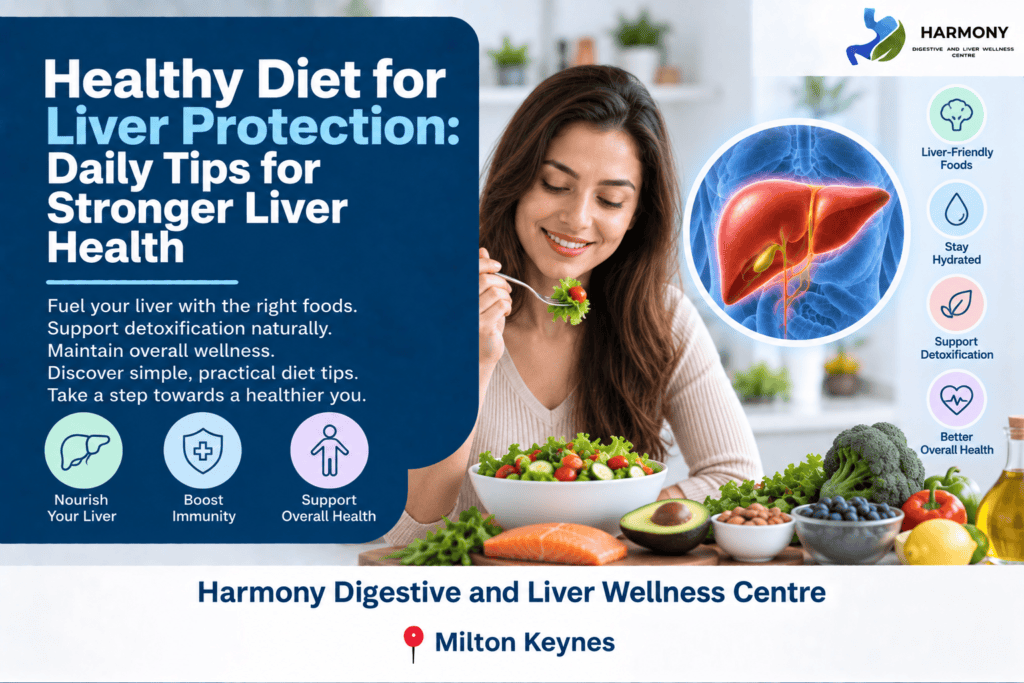
The liver performs some of the most demanding functions in the human body. It plays a role in nearly every major body function. It filters out toxins, supports digestion, and aids in metabolism. However, like all organs, the liver is susceptible to damage from neglect, especially if we don’t support it with the right lifestyle and a healthy diet for liver protection. So, how can one maintain liver wellbeing? Let us examine the measures one can take to ensure liver support and avert complications later. How Your Liver Benefits You? Your liver performs the following functions: Processes and eliminates harmful substances from the bloodstream Stores nutrients and vitamins Aids the body in the digestion of fats Enhances the immune system Processes alcohol and some medicationsFactors like obesity, illnesses, and medications can all contribute to damaging a liver. This is the reason why most healthcare professionals advocate routine liver checkups in Milton Keynes for all patients, especially those in the vulnerable category. Simple Strategies to Maintain Liver Wellness Modifying your habits in these small ways can help safeguard your liver: Healthy Diet for Liver Health. A balanced diet is the foundation of liver wellness. Eat more fresh fruits, vegetables, whole grains, lean meats, and healthy fats. A healthy diet for liver also means avoiding processed foods, high-sugar items, and deep-fried meals, which put extra stress on your liver. Maintain a Healthy WeightBeing overweight increases the risk of non-alcoholic fatty liver disease. Pairing a healthy diet for liver health with regular activity helps prevent fat from accumulating in the liver. Regular physical activity Your liver’s functionality and inflammation can be improved by 30 minutes of brisk walking or light activity 5 days a week. Limit Alcohol Another leading cause of liver issues is alcohol. Limit to recommended guidelines or eliminate it altogether if you are at risk. Use medicines with caution Certain medicines can be harmful to your liver if consumed too frequently or with alcohol, so it is important to always follow the correct dosage. When to Consider a Liver Check-Up In its initial stages, liver disease is one of the conditions that can develop without any obvious symptoms. By the time one begins to realize what is going on, symptoms like fatigue, abdominal discomfort, or jaundice may have already progressed. This is exactly why private liver screening in Milton Keynes can prove invaluable. It allows the timely detection of stress, fat accumulation, or scarring that may be happening to the liver, allowing timely measures to be taken. You may benefit from a liver check-up if you: Regularly consume alcohol Have a diabetic condition or suffer from elevated cholesterol levels Are obese Have a hereditary liver disease Use multiple prescription drugs Conclusion Your liver is an organ that works day in and day out. However, like any other organ, it requires support in order to remain strong. If you are trying to check on your liver’s current state of health, or are in search of measures to prevent liver disease, the first step should be appropriate testing, backed up by expert guidance. At Harmony Digestive and Liver Wellness Centre, we offer an integrated approach, combining private liver screening in Milton Keynes with tailored lifecare. Schedule your liver health assessment today—it is a decision you will thank yourself for later in life. Book a consultation or screening today: Click Here Had a great experience with us? We’d love to hear your thoughts! Click here to leave a Google review and share your feedback. Get in touch with us if have any further queries.
Can Liver Damage Be Reversed? Understanding What’s Possible and What’s Not
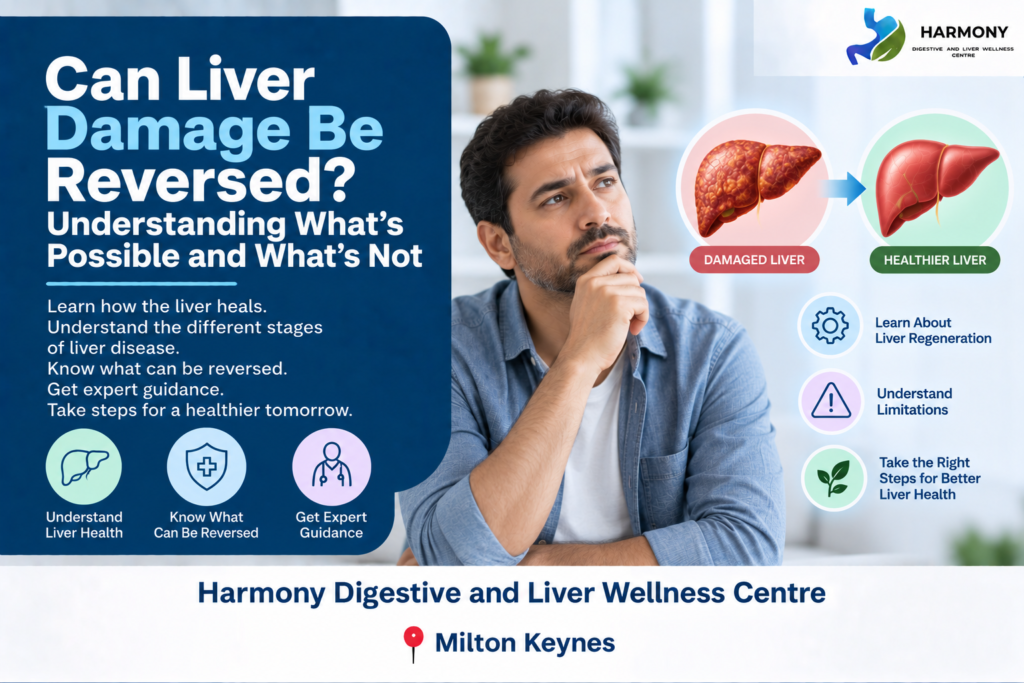
The liver is the detox centre in your body. It helps to digest food, break down medicines, store nutrients, and fight infections. But even the liver can get damaged. And this damage is usually silent and slow. Many people ask: “Can liver damage be reversed?” The answer depends on how early the damage is found and what’s causing it. Liver Damage Isn’t Always Permanent Understanding when can liver damage be reversed is key to early treatment. If damage is caught early—such as in cases of fatty liver disease or mild hepatitis—it’s often possible to reverse it. This usually means making lifestyle changes like eating better, drinking less (or no) alcohol, losing weight, and managing conditions like diabetes. But once damage becomes severe, the chances of full reversal reduce a lot. That’s why early detection and support from a private liver specialist in Milton Keynes can make a huge difference. Early Signs of Liver Disease to Watch For The tricky thing about liver disease is that its symptoms are not visible until much later. So, it’s sometimes called a “silent disease.” But the following are some early signs you shouldn’t ignore: Feeling unusually tired Bloating or discomfort in the abdomen Unexplained weight loss Nausea or loss of appetite Changes in stool or urine colour You might benefit from a private liver screening to understand what’s going on. Common Myths – And The Truth There are a lot of myths about liver health. Let’s tackle a few: Myth: Only alcohol causes liver disease Fact: Alcohol is a major cause, but other factors such as obesity, diabetes, hepatitis B or C, and some medications (even herbal ones). Myth: Liver disease always shows symptoms Fact: Many people don’t feel anything until the disease has advanced. That’s why regular liver health check-ups are essential. Myth: All liver damage means you’ll need a transplant Fact: Even with conditions like cirrhosis, you may not need a transplant—especially if the cause is treated early. Myth: Herbal supplements can cure liver problems Fact: Some may support liver function, but they can’t treat serious damage. In fact, some herbal medicines can actually harm the liver. How You Can Help Your Liver Heal If you’re still asking can liver damage be reversed—the answer is yes, in many early cases. Here’s how you can support your liver every day: Eat a balanced diet low in processed food and sugar Avoid or limit alcohol Exercise regularly Keep your weight in check Avoid self-medicating, especially with herbal products And most importantly: stay proactive. If you’re at risk or have questions, don’t wait. See a private liver specialist in Milton Keynes who can guide you with the right tests, lifestyle advice, and treatment plan. Final Thoughts Liver damage doesn’t happen overnight, and it doesn’t have to lead to severe illness—if you act early. Whether it’s a simple lifestyle adjustment or a full liver health check, small steps today can prevent big problems tomorrow. At Harmony Digestive and Liver Wellness Centre, we’re here to help you understand, protect, and improve your liver health with confidence. Book a consultation or screening today: Click Here Had a great experience with us? We’d love to hear your thoughts! Click here to leave a Google review and share your feedback. Get in touch with us if have any further queries.
Celiac Treatment: Gluten-Free Diet, Gut Care & Specialist Support
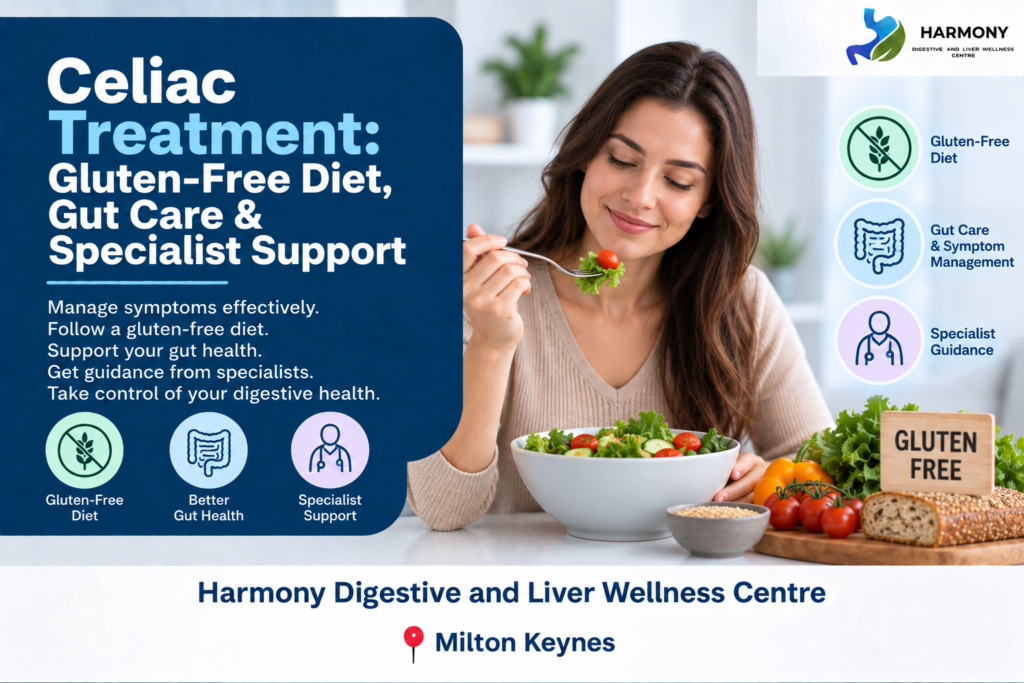
Once you have been diagnosed with celiac disease, the next steps are all about learning and understanding about how you can manage your condition. This will help you to protect your gut in the long run. Celiac disease does not have a cure yet. But the good news is that with the right celiac treatment plan, lifestyle changes, and proper support, you can live a full, healthy life. Let us explore what daily management looks like, from adjusting your diet to knowing when to see a specialist. Why a Gluten-Free Diet Is the Core of Celiac Treatment Celiac disease is an autoimmune condition. That means every time you eat gluten, which is a protein found in wheat, barley, and rye, your immune system attacks the lining of your small intestine. This damage leads to inflammation and poor nutrient absorption. This lack of absorption of nutrients can cause a range of uncomfortable symptoms and risks in the long run. The only effective celiac treatment is following a strict, lifelong gluten-free diet. Removing gluten completely allows the gut to heal over time. It also helps to reduce inflammation and prevent further damage. Even small traces of gluten can trigger a reaction, so it is very important to be consistent and careful. At Harmony Digestive and Liver Wellness Centre, our team offers personalised gut health diet consultation in Milton Keynes so that your celiac treatment is smooth, sustainable, and effective in the long term. What You Can (and Can’t) Eat It can feel overwhelming at first, but many delicious and safe foods are naturally gluten-free. Safe foods include: Fresh fruits and vegetables Rice, potatoes, and corn Eggs, meat, poultry, and fish (unprocessed) Dairy products Gluten-free grains like quinoa, millet, and buckwheat Foods to avoid: Bread, pasta, cereals, and baked goods made with wheat, rye, or barley Beer and malt-based drinks Processed foods that may contain hidden gluten (like sauces, soups, and dressings) Reading labels carefully is a must. Even some lip balms, medications, and supplements may contain gluten. For many patients, consulting with an IBS diet specialist UK helps in the management of cross-reactivity and overlapping digestive symptoms. Managing Your Gut Long Term A gluten-free diet can improve symptoms greatly, but gut healing takes time. That is why ongoing celiac treatment includes regular follow-up care. After diagnosis, you should: Get regular nutrient testing (like iron, B12, and vitamin D) Monitor bone density if you have had any deficiencies from a long time Watch for symptoms of other digestive issues or autoimmune conditions Stay updated with expert nutritional advice as your needs can change At our clinic, we provide private nutrition for gut health. This tailored consultation supports you through fatigue, constipation, nutrient gaps, and other concerns to ensure a complete celiac treatment approach. What If You Are Not Feeling Better? Most people with Celiac disease feel better within weeks or months of going gluten-free. But in some cases, symptoms may continue. This could be due to: Hidden gluten in your diet Another underlying gut condition like IBS or lactose intolerance Slow healing of the intestinal lining Nutrient imbalances In such cases, do not self-medicate. You may need digestive enzyme support or further testing. Our clinic offers ongoing gut health support in Milton Keynes, including access to digestive scans and consultations with dietitians and specialists to optimise your celiac treatment. Why Professional Support Matters Living gluten-free is not just about avoiding bread, it is actually a big lifestyle change. Without the right help, you may face nutritional deficiencies, anxiety around eating, or confusion about safe foods. That is why having access to a private nutrition programme for gut health makes a real difference in your celiac treatment journey. With our support, you get: Clear guidance on balanced, gluten-free meals Regular follow-ups to check for your progress Help managing related issues like IBS, fatigue, or bloating Personal support, at your pace Final Thoughts Celiac disease does not have to take over your life but it does require daily attention and expert care. With the right diet, follow-up, and guidance from specialists who understand your gut, you can feel better, stay healthy, and enjoy food again. Celiac disease does not have to control your life, but it does require attention and the right care. With a proper celiac treatment plan — including a gluten-free diet, follow-up care, and professional guidance — you can feel better, stay healthy, and enjoy food again. If you have been diagnosed recently or need help managing your symptoms, book a gut health diet consultation at Harmony Digestive and Liver Wellness Centre. We offer personalised plans, advanced testing, and expert support so you never have to manage your celiac treatment alone. Book a consultation or screening today: Click Here Had a great experience with us? We’d love to hear your thoughts! Click here to leave a Google Review. Get in touch with us if have any further queries.
Celiac Symptoms: Signs, Risks & Early Diagnosis Guide
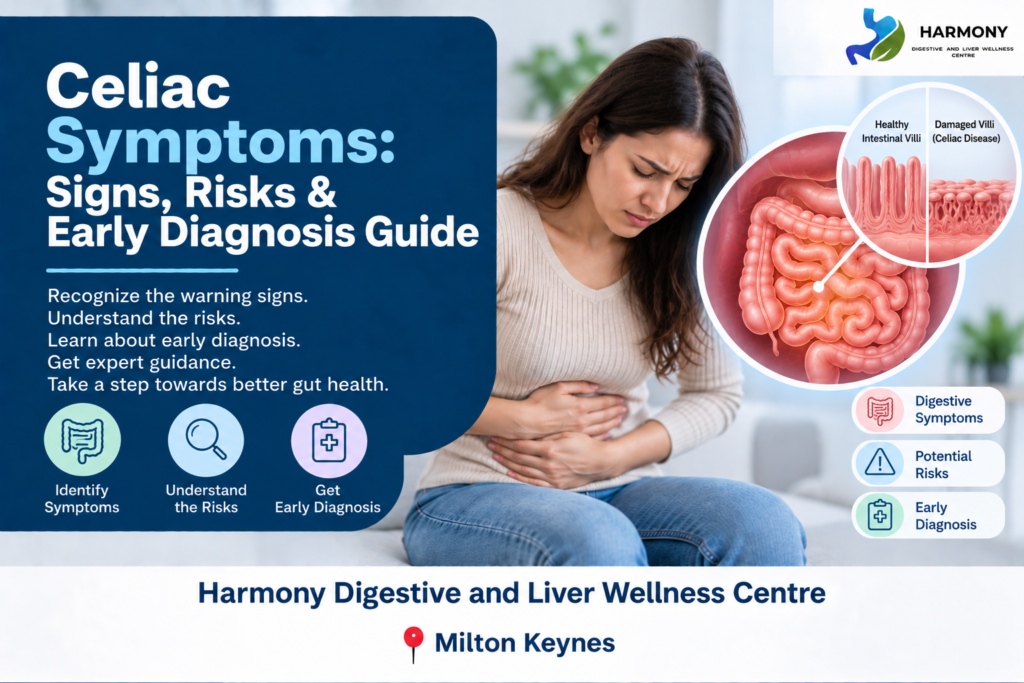
For many people digestive issues like bloating, tiredness, or stomach pain come and go. But when these symptoms become your frequent visitors and last for a long time, they could be more than your food. They may be celiac symptoms. One possible reason could be Celiac Disease. This is a common but an overlooked condition that affects how your body reacts to gluten. Let’s take a closer look at what Celiac disease is, the signs to watch for, and why getting diagnosed early can make all the difference. What Is Celiac Disease? Celiac disease is a serious autoimmune condition. It happens because of gluten, which is a protein found in wheat, rye, and barley. When someone who is suffering from celiac disease consumes gluten, their immune system starts to attack the lining of the small intestine. This reaction damages the gut and makes it hard for the body to absorb essential nutrients. Over time, this can lead to other health problems like anaemia, weight loss, fatigue, and even weakening of the bones. Unlike a simple food allergy, celiac disease is not just a stomach discomfort. It can cause real damage inside the body and the only treatment is to completely remove gluten from your diet. Common Celiac Symptoms The most common problem of celiac disease is that its symptoms vary a lot from person to person. Some people experience digestive problems, while others may face issues that do not relate to the gut. Digestive celiac symptoms include: Bloating or gas after meals Frequent diarrhoea or constipation Stomach pain Nausea or vomiting Weight loss without even trying Non-digestive celiac symptoms include: You are always tired Headaches or brain fog Anaemia (low iron levels) Pain in your joints Skin rashes Delayed growth in children Sometimes, these symptoms can be linked to other gut problems like IBS. This is why proper testing and diagnosis are very important. Who is at Risk? Celiac disease can affect anyone, but some people have a higher chance of developing it.You may be more at risk if: You have a family history of Celiac disease You have other autoimmune conditions (such as Type 1 diabetes or thyroid problems) You have Down syndrome or Turner syndrome You have been diagnosed with osteoporosis, unexplained infertility, or chronic anaemia At times, your celiac symptoms could be mild or you could be feeling fine most of the time. But celiac disease can still cause a lot of damage to your gut. If you are not sure, it is worth booking a private gut health consultation with a specialist who can recommend the right tests to be undertaken. The Importance of Early Diagnosis The problem with undiagnosed Celiac disease is that it can silently damage your gut for years. If left untreated, it may lead to: Poor absorption of vitamins and minerals Weak bones (osteopenia or osteoporosis) Infertility issues Increased risk of cancers related to gut The earlier celiac disease is identified, the sooner you can start healing. And removal of gluten helps the gut to recover, ease the symptoms, and bring back the energy. Recognising celiac symptoms early helps you seek testing sooner. Testing is simple. It usually involves blood tests followed by a gut biopsy if needed. At Harmony Digestive and Liver Wellness Centre, we offer gluten intolerance testing in Milton Keynes, which is carried out privately and professionally. When Should You See a Specialist? If you have been dealing with symptoms like ongoing bloating, gas, tiredness, or unexplained weight loss, it is time to take action — these may be celiac symptoms. A digestive specialist near you can help identify if you are affected by Celiac disease or not. And if you are affected, the specialist can offer next steps to follow. Do not wait for symptoms to become severe. With expert care, diagnosis is quicker, and your treatment journey can begin without delay. Final Thoughts Living with constant digestive discomfort is not normal and it should not be ignored. Possible celiac symptoms are more common than many realise, but the good news is that once celiac disease is diagnosed, it can be managed effectively by making simple changes in your diet. If you think gluten might be causing trouble, or you just want to be sure your gut is healthy, book a private gut health consultation at Harmony Digestive and Liver Wellness Centre in Milton Keynes. You will get the right tests, a clear diagnosis, and expert guidance in a supportive and private setting. Book a consultation or screening today: Click Here Had a great experience with us? We’d love to hear your thoughts! Click here to leave a Google review and share your feedback. Get in touch with us if have any further queries.
Alcoholic Hepatitis: Symptoms, Treatment, and Prevention Tips
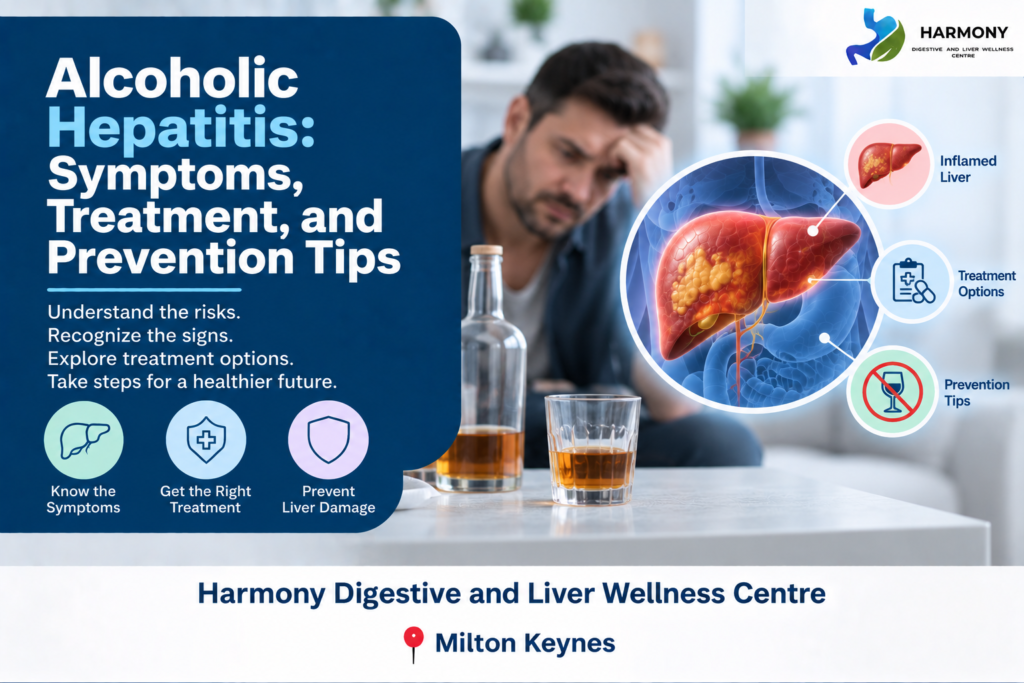
Alcoholic Liver Disease (ALD) does not develop overnight, it progresses in stages. Each stage has a different effect on the liver and the more it progresses the more difficult it becomes to reverse the damage. But the right care and lifestyle changes can help to prevent it from getting worse or completely cure it. Let’s see the stages, how treatment works, and what you can do to protect your liver. The Three Stages of Alcoholic Liver Disease ALD has three main stages: 1. Alcoholic Fatty Liver (Steatosis) This is the earliest stage. Drinking too much alcohol causes fat to build up inside liver cells. You may not feel any symptoms but may notice: Tiredness A bit of discomfort in the upper right abdomen Occasional nausea This stage is reversible. If you stop drinking, the liver can usually heal itself completely. 2. Alcoholic Hepatitis Alcoholic hepatitis is one of the most serious and commonly diagnosed stages of alcoholic liver disease. At this stage, the liver becomes inflamed, and the damage can range from mild to severe. Symptoms may include: Fever Jaundice (yellow skin or eyes) Loss of appetite Vomiting or nausea Tender, painful liver Severe alcoholic hepatitis can be life-threatening. If you are experiencing any of these symptoms, it is important to get an alcoholic hepatitis consultation from a liver specialist. Early diagnosis and treatment can slow down or even prevent progression to cirrhosis. 3. Cirrhosis This is the most advanced stage. Cirrhosis happens when the liver becomes scarred and hardened. The liver’s ability to function is damaged permanently in this stage. And the damage is usually irreversible. Common signs include: Swollen abdomen (ascites) Confusion or drowsiness (due to toxin buildup) Internal bleeding (often in the stomach or oesophagus) Severe fatigue Getting a timely cirrhosis diagnosis and care in Milton Keynes can help manage complications and improve your quality of life, even at this late stage. How Is Alcoholic Liver Disease Treated? There is no single medicine that can cure ALD or alcoholic hepatitis. But treatment is still possible and effective with the right approach: Complete Alcohol Cessation The most important step is completely stopping alcohol consumption. If ALD or alcoholic hepatitis is present, then even a small amount of alcohol can continue to damage the liver. If quitting feels difficult, you can take help of: Counselling and support groups Detox programmes Medicines to reduce cravings Harmony Digestive and Liver Wellness Centre provides access to professionals who can support this journey in a private, non-judgmental setting. Medical Support Depending on your stage of ALD, you might be recommended with: Nutritional supplements (especially if there’s malnutrition) Anti-inflammatory medicines (for alcoholic hepatitis) Diuretics (to manage fluid buildup in cirrhosis) Liver transplant in severe cases Having access to a private liver scan clinic in the UK allows for quicker diagnosis and follow-up care, so nothing gets missed. Monitoring and Ongoing Care Regular check-ups and liver scans (like FibroScan) can tell if your liver is recovering or if the scarring is worsening. You may also be recommended for: Blood tests to check enzymes and clotting Imaging scans to check for liver cancer Screening for related conditions like varices or ascites A dedicated alcohol-related liver specialist in Milton Keynes can help manage the condition and make your treatment plan based on your needs. What Can You Do to Lower Your Risk? You could be in the early stages or simply want to prevent ALD—especially alcoholic hepatitis—here’s what can help: Stop drinking alcohol or cut back drastically Eat a liver-friendly diet rich in vegetables, whole grains, and lean protein Maintain a healthy weight to avoid added strain Avoid unnecessary medications that may affect the liver Stay vaccinated against hepatitis A and B if you’re at risk Go for regular check-ups particularly if you have been drinking regularly for years If you are not sure about your liver health, a private liver scan clinic in the UK can offer accurate assessments. When Should You Seek Help? Don’t wait for symptoms to get worse. If you’ve been drinking heavily for years or have any symptoms of alcoholic hepatitis, it’s time to get checked. You can book a cirrhosis diagnosis and care appointment in Milton Keynes or speak to an alcohol-related liver specialist who understands how to guide you, without judgment. Conclusion Alcoholic liver disease is serious, but many people recover fully if it’s caught in time and treated carefully. Whether you need an alcoholic hepatitis consultation or just a scan to check your liver’s condition, help is available. At Harmony Digestive and Liver Wellness Centre, our focus is on diagnosing and helping you take control of your health, habits, and future. To book a private liver consultation or second opinion, get in touch with us Had a great experience with us? We’d love to hear your thoughts! Click here to leave a Google review and share your feedback.
Vitamin D and Liver Function – What’s the Connection?
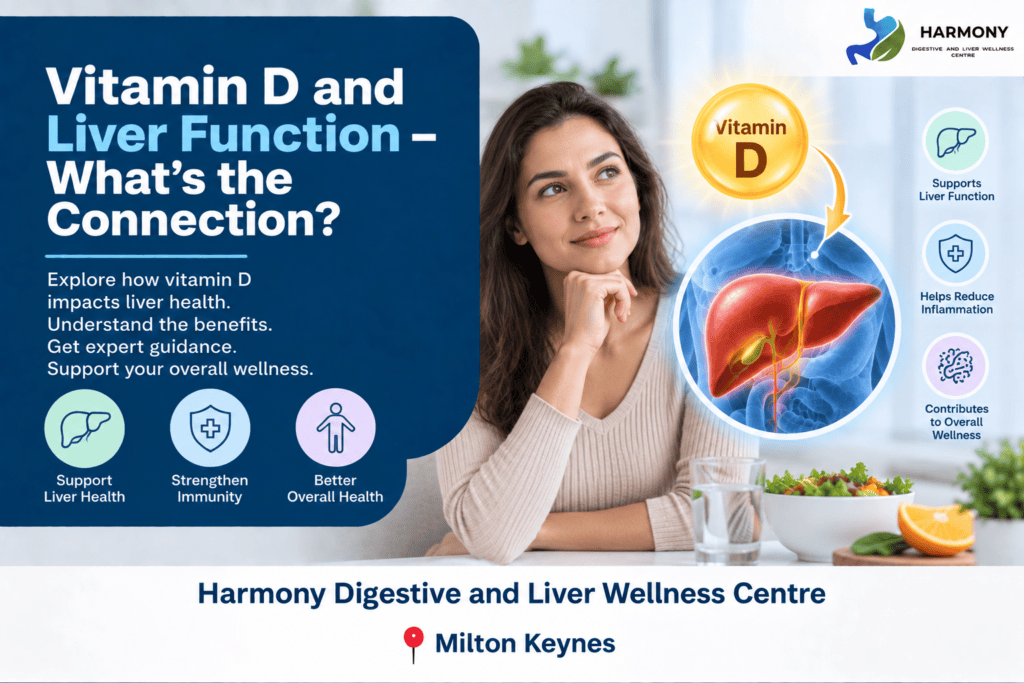
Vitamin D is usually associated with bone strength and sunshine. But this vitamins plays an important role in maintaining the health of your liver as well. There is a deep connection between Vitamin D and liver function. Knowing this connection is important for anyone who wants to take care of their digestive system and overall wellbeing. In this blog, we will walk you through what Vitamin D does, how it affects your liver, signs you may be deficient, and what to do next if you’re concerned. What Does Vitamin D Do? Vitamin D is a fat-soluble vitamin that helps the body absorb calcium and phosphorus. But it also: ● Supports your immune system ● Helps regulate mood and reduce inflammation ● Plays a role in insulin production ● Supports liver and kidney function If you’ve been diagnosed with any kind of liver issue or are concerned about your liver health, don’t forget to discuss your Vitamin D levels during your liver health consultation near me. How Are Vitamin D and Liver function Connected? The liver has an important role in how Vitamin D works in your body. When you take in Vitamin D, your liver converts it into a form your body can use. If your liver isn’t working properly, it may not process Vitamin D efficiently. It can lead to liver diseases, such as: Non-Alcoholic Fatty Liver Disease (NAFLD) Vitamin D regulates the digestion of metabolism in the liver. Deficiency can result in fat accumulation, leading to NAFLD and swelling. Liver Cirrhosis Cirrhosis starts when healthy liver cells are replaced by scar tissue. And vitamin D slows the progression of liver fibrosis. Individuals suffering from liver cirrhotic have a deficiency Vitamin D due to impaired absorption. Hepatitis (Viral and Autoimmune) Vitamin D helps the immune system to fight infections such as hepatitis B and C. Liver Cancer (Hepatocellular Carcinoma: HCC) Lower the level of Vitamin D, higher the risk of liver cancer. Vitamin D is anti-inflammatory, helping to reduce liver cell damage. If you are also dealing with liver-related symptoms such as indigestion, bloating, or pain in the upper right abdomen, speak to a liver function specialist in Milton Keynes who can help. Deficiency in Vitamin D and liver function : What’s the Link? Usually people with chronic liver conditions have lower Vitamin D levels. This may be because: Damaged liver cells cannot convert Vitamin D properly. Poor liver function can affect fat digestion, which reduces Vitamin D. absorptionSwelling in the liver may use up more Vitamin D This is why Harmony Gut and Liver Wellness Centre, offers a private liver scan in the UK, often including Vitamin D testing and nutritional guidance. How Can You Check Your Liver and Vitamin D Levels? If you are not sure about your liver health or Vitamin D status, conducting the right tests can help. These may include: Blood tests – To check liver enzymes and Vitamin D levels FibroScan or ultrasound – To see if your liver is fatty, inflamed, or scarred Nutrient and enzyme panels – To identify other deficiencies affecting your digestive system Booking a liver health consultation near you makes sure that everything is assessed in one go, be it liver function, vitamin levels, and overall digestion. What Can You Do to Support Both Vitamin D and Liver Function ? Some simple steps can help in protecting levels of both your vitamin d and liver function: Get sunlight – Aim for 10–30 minutes of sun exposure several times a week Eat Vitamin D-rich foods – Such as salmon, mackerel, egg yolks, mushrooms, and fortified cereals Consider supplements – Especially during the winters or if your levels are low Stay active and maintain a healthy weight Avoid excessive alcohol – As it directly harms the liver Schedule regular check-ups – Particularly if you have existing liver conditions With the help of a liver function specialist in Milton Keynes, you can create a treatment plan to support your body’s natural balance. Conclusion Your liver is not going to complain and Vitamin D will help to keep your bones, mood, and liver in check. Understanding the relationship between Vitamin D and Liver Function is important to stay one step ahead of disease. And if you are worried, get a private liver scan in the UK to assess your liver and nutrient levels. At Harmony Gut and Liver, we are here to help you uncover the early signs, optimize your health, and give your liver the support it deserves. To book a private liver consultation or second opinion, get in touch with us Had a great experience with us? We’d love to hear your thoughts! Click here to leave a Google review and share your feedback.
Liver Disease and Drugs: Understanding the Connection and Its Impact
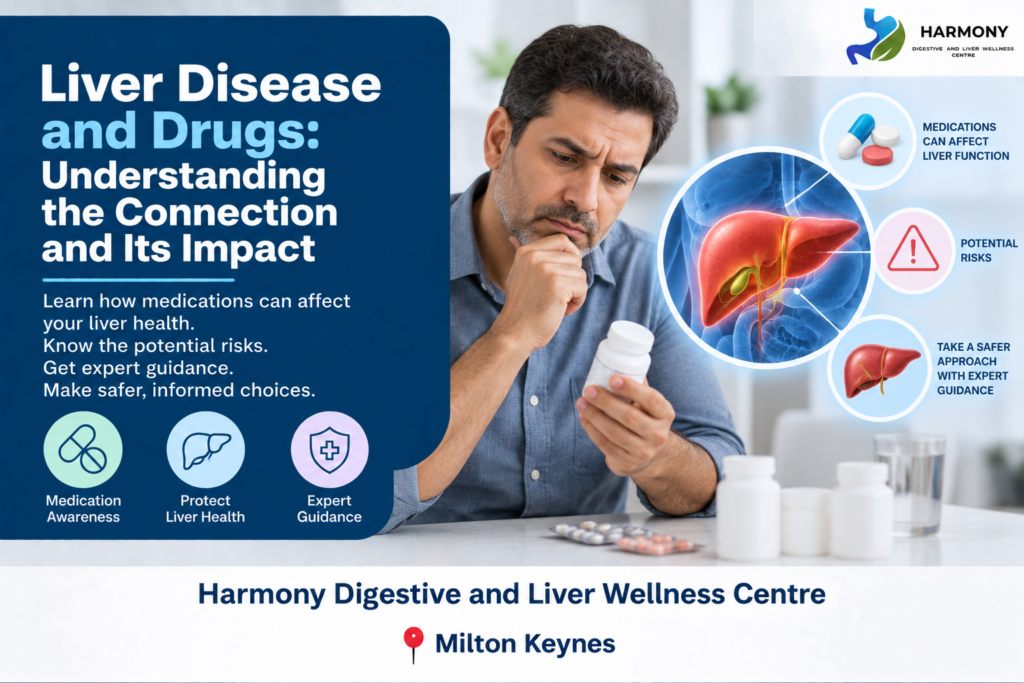
Today alcohol is a part of many people’s lives. It has become a part of our celebrations, relaxation, and socialisation. But when drinking becomes heavy or long-term, it can start damaging the most important organs in your body — the liver. This damage is caused by consuming too much alcohol over time and is known as Alcoholic Liver Disease (ALD). Let’s take a closer look at what this condition is, how it begins, and why spotting it early is so important. The Role of Liver The liver is an organ that removes toxins from our body. Apart from removing toxins, it keeps the blood clean, helps in digestion, stores energy, and breaks down toxins like alcohol. It also plays a role in processing various drugs used for treating liver disease and other conditions. Alcohol, however, in excess, can lead to inflammation, fatty liver disease, and cirrhosis of the liver. This combination of liver disease and drugs can complicate the liver’s function further. This is when alcoholic liver disease starts. Who Is at Risk? Heavy drinkers are at a higher risk, but not everyone who drinks will get alcoholic liver disease (ALD). There are several factors that increase your chances: How much and how often you drink: Consuming large amounts of alcohol regularly can increase the chances of developing ALD. Gender: Women have more chances of developing ALD than men, even with lower alcohol consumption. Other liver conditions: Risk is higher for those who already have hepatitis or fatty liver disease. Obesity and poor nutrition: These make your liver even more sensitive to alcohol damage. Genetics and family history: Some people are more prone due to genetics. Use of certain medications: Some drugs can interact with liver disease and worsen its progression If you are concerned about your risk or drinking habits, a private liver scan clinic in the UK like Harmony Gut and Liver can help you assess your liver health confidentially and with care. How Does Alcohol Damage the Liver? The liver helps to break down the alcohol consumed and flushes it out of the body. But if the consumption is too high, it can lead to build-up and cause: Fat deposits in liver cells (steatosis) Inflammation of the liver (hepatitis) Long-term scarring (cirrhosis) These changes do not happen suddenly. It is a slow and gradual process, that is why ALD is not noticed until there is damage to the liver. When liver disease and drugs are both involved, the damage can become harder to reverse. Common Symptoms of Alcoholic liver Disease (ALD) to Watch Out For! In the early stages, you might not feel anything at all. So, many people do not realise they have ALD until it progresses. However, some signs to watch out for include: ● Feeling tired all the time ● Loss of appetite or weight ● Pain or discomfort in the upper right side of the tummy ● Yellowing of the skin or eyes (jaundice) ● Nausea, vomiting, or diarrhoea ● Swelling in the stomach or legs If you notice any of these signs and have a history of drinking, you should seek medical help early. A liver specialist in Milton Keynes is there to support you through every step – from diagnosis to finding the right treatment. How Is Alcoholic Liver Disease (ALD) Identified? To figure out if you have alcoholic liver disease, doctors start with your health background, physical exams, and do some tests. These often include: Blood tests: To check for liver damage Scans: Like an ultrasound or FibroScan to see how fatty or large the liver is Biopsy (if required): To find out how serious the damage is Specialist consult: For alcoholic hepatitis and treatment planning Medication review: Doctors may assess any drugs you’re taking to avoid interactions with liver disease. Early diagnosis can really help by giving you more treatment choices and a better chance to heal. Why Early Detection Is So Important? The earlier alcoholic liver disease (ALD) is detected, the better chances we have for a successful treatment. At this point, the damage is still reversible if alcohol is stopped completely. But if left undetected, ALD can quickly progress to alcoholic hepatitis, which is more serious and dangerous to life. Continuous alcohol use can then lead to cirrhosis, which is the most severe stage of liver scarring. Here the liver is at a point where it cannot heal itself. Getting a cirrhosis diagnosis and care in Milton Keynes through private clinics like Harmony Gut and Liver makes sure that you get timely attention and expert consultant care without the wait. Final Thoughts Your liver works hard to take care of you every single day. But alcohol can silently damage it before you even notice a problem. The good news? If caught early, alcoholic liver disease can be managed and also reversed with proper care. This is especially true when liver disease and drugs are both monitored closely by a specialist. If you are worried about your drinking, or just want to make sure your liver is healthy, take the first step. Book a check-up. A private liver scan clinic in the UK like Harmony can offer the tests, guidance, and personalized care you need in a discreet, supportive environment. Had a great experience with us? We’d love to hear your thoughts! Click here to leave a Google review and share your feedback.
Are GLP 1 Supplements Safe for Those with Gut or Liver Condition?
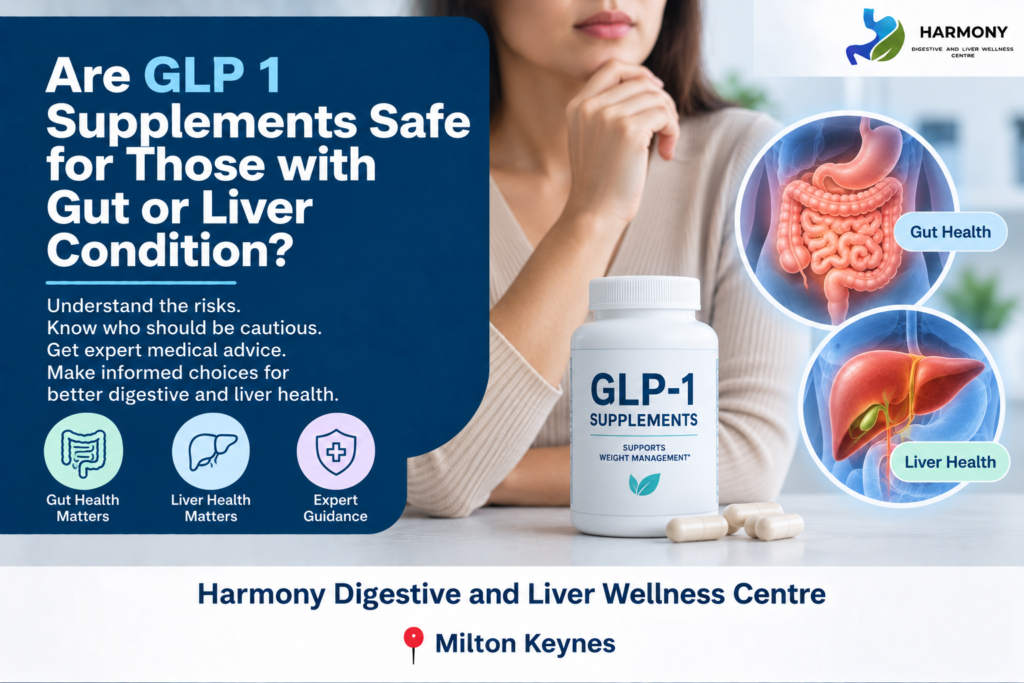
GLP 1 supplements like Ozempic, Wegovy, and Mounjaro are widely used for diabetes and weight management. If you already have a longstanding digestive or liver condition, you may wonder whether these medications are right for your gut or liver conditions. How these drugs affect digestion They work by slowing stomach emptying and overall transit time in the bowels and influence the release and actions of gut hormones that regulate appetite and digestion. These mechanisms help lower blood sugar and promote weight loss. However, they can also lead to common gastrointestinal side effects such as: Feeling full very quickly (desirable for those looking to lose weight) Nausea and vomiting Bloating, indigestion, and reflux Constipation or diarrhoea Most people find these effects settle with time or a slower dose increase. However, for those with pre-existing gastrointestinal conditions, symptoms may be more intense or persistent. Gastroparesis (Slow Stomach Emptying) Gastroparesis is a condition where the stomach takes too long to empty its contents, leading to bloating, early satiety, nausea and in severe cases vomiting, regurgitation and worsening reflux. These medications slow gastric emptying as part of their mechanism, which can mimic or exacerbate symptoms of gastroparesis. There are case reports of patients developing severe symptoms that resolved after discontinuing GLP 1 supplements. There are no clinical trials on GLP‑1 use in patients with diagnosed gastroparesis. If you suspected delayed gastric emptying or have been diagnosed with it, it is strongly advised to consult a Gastroenterologist prior to- and if on these medicines. IBS (Irritable Bowel Syndrome) IBS is a gastrointestinal disorder that causes abdominal pain and altered bowel habits. This is usually due to a disordered interaction between the gut and the brain. It includes subtypes such as constipation-predominant (IBS‑C), diarrhoea-predominant (IBS‑D), or a mixed variety. GLP‑1s may worsen IBS‑C by further slowing gut transit. For IBS‑D, the effect is less predictable and may vary between individuals with some finding them beneficial. Remember IBS is diagnosed once other causes have been ruled out. There are many situations where an initial diagnosis of IBS ultimately turns out to be an Inflammatory Bowel Disease. Speak to your Gastroenterologist if you need further clarification prior to taking GLP 1 supplements or if your symptoms flare whilst on them. What About GLP 1 supplements and Inflammatory Bowel Disease (IBD)? If you have Crohn’s disease or ulcerative colitis—or a family history of IBD—you may wonder whether weight-loss or diabetes medications like Ozempic or Mounjaro are safe to use. Current available research suggests GLP-1 injections do not increase the risk of developing IBD. In fact, some studies suggest they may have a mild anti-inflammatory effect in the gut. Large observational data from Scandinavian countries even hint that people taking GLP 1 supplements may be less likely to develop new-onset IBD compared to those on older diabetes medications. That said, people with active Crohn’s disease, bowel strictures, or previous bowel surgeries should be cautious. These medications can slow down gut motility, which may not be ideal if you already have narrowed or inflamed bowel segments. Always discuss with your gastroenterologist before starting and alert them of any change in symptoms. Reflux & Functional Dyspepsia Gastro-Oesophageal Reflux Disease (GORD-reflux or short) occurs when stomach acid/fluid backs up into the oesophagus. Functional dyspepsia includes symptoms like bloating, early fullness, and upper abdominal discomfort without a clear cause. GLP‑1 drugs may increase the risk of reflux by delaying gastric emptying. This simply means food and other contents stay in the stomach longer and tends to move into the Oesophagus easier, and for longer. Managing reflux is difficult. Over the counter drugs and acid suppressants only do so much to alleviate reflux (not all reflux is acid). Weight loss ultimately improves reflux and its symptoms. Your gastroenterologist will advise on the best course of action if your reflux worsens. There are tests that can correlate your symptoms with reflux. Gallstone & Gallbladder Disease GLP‑1 medications are associated with an increased risk of gallstone formation, particularly during rapid weight loss. They slow gallbladder movement, leaving the bile in for longer and increase biliary cholesterol concentration. This effect is potentiated by fasting due to reduced food intake. Studies have shown a 30–55% increased risk of gallstones or gallbladder complications in GLP‑1 users, especially at higher doses or with prolonged use. Gallstones may move into the bile duct to cause severe pain, jaundice or infections and less commonly, pancreatitis. This may require procedures such as EUS and/ or ERCP (where gallstones are looked for and removed), usually performed by a Gastroenterologist. Speak to your Gastroenterologist if you have Gallstones and are planning on taking GLP-1 drugs. Pancreatitis (Pancreas Inflammation) Acute pancreatitis has been reported in some individuals using GLP‑1 medications, although this remains uncommon. It is postulated that pancreatitis may be secondary to gallstones, however we do not know this with certainty. Post-marketing surveillance and observational studies have raised some concern, prompting regulatory reviews. In fact, patients are encouraged to report pancreatitis whilst on GLP-1 drugs here :https://yellowcard.mhra.gov.uk People with a prior history of pancreatitis are generally considered at higher risk. These drugs are best avoided in this scenario. Symptoms such as severe abdominal pain, nausea, vomiting, or fever should prompt immediate evaluation by calling 111 or attending A&E. For those with chronic pancreatitis, it is advised to closely follow up with a Gastroenterologist while on GLP-1 drugs. Chronic Liver Disease & Liver Fibrosis Chronic liver disease includes a spectrum of conditions from fatty liver (MASLD/MASH) to cirrhosis. In fatty liver disease, GLP 1 supplements show promising benefit. A study called the LEAN trial found a similar drug called Liraglutide improved liver inflammation and fibrosis in patients with MASLD. Ozempic has shown a 59% resolution rate of steatohepatitis in trials, though fibrosis improvement was less clear. In patients with other chronic liver diseases, such as viral hepatitis or alcohol-related liver disease, evidence is limited but early data suggest GLP‑1s may help reduce liver fat and improve liver enzymes. This is best followed up by a Gastroenterologist or