 Skip to main content

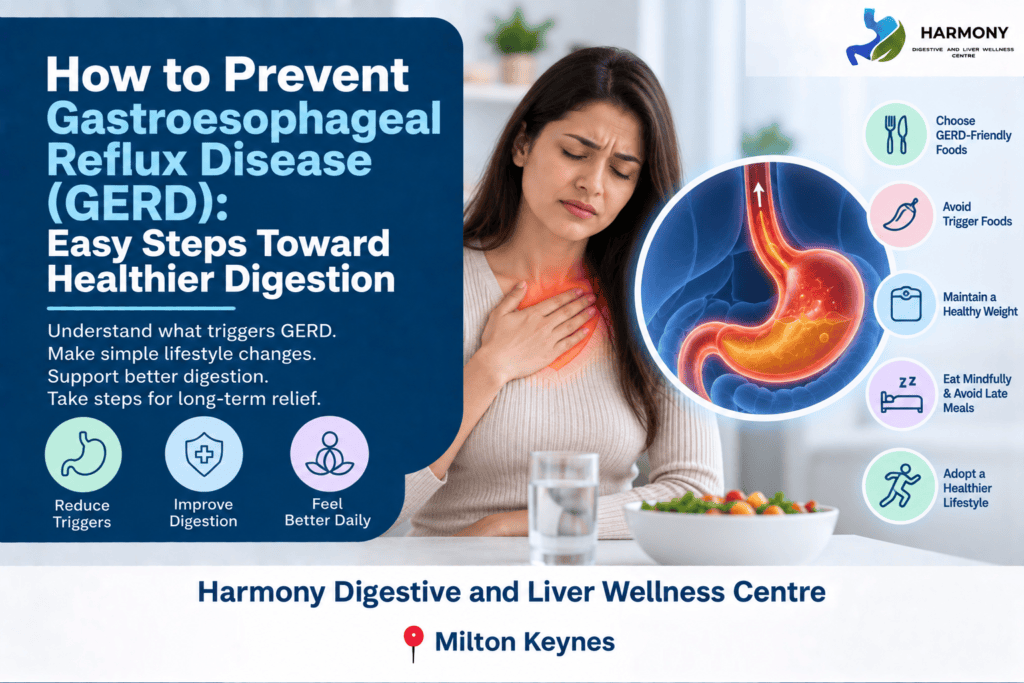
How to Prevent Gastroesophageal reflux disease (GERD): Easy Steps Toward Healthier Digestion
Gastroesophageal reflux disease (GERD) is the condition where the acid from the stomach flows back into the oesophagus. This may cause irritation to the lining of the stomach and result in heartburn, regurgitation, chest discomfort, and in some cases, difficulty swallowing.
Occasional symptoms of acid reflux are quite common, however, frequent and/or severe symptoms of acid reflux may signify a more serious issue such as GERD. If not treated, Gastroesophageal reflux disease may result in complications such as oesophagitis (inflammation), ulcers, or some more serious changes in the lining of the oesophagus.
Why Prevention Is Important
Chronic acid reflux may significantly disrupt one’s lifestyle. It may interfere with one’s sleep, diet, and overall well-being.
But with some practical changes you can reduce these risks.
Tips to Prevent Gastroesophageal reflux disease (GERD)
1. Monitor Your Nutrition
Certain foods are more likely to cause acid reflux than others. These include fried and/or fatty foods, chocolate, caffeine, citrus fruits, tomatoes, spicy foods, and carbonated beverages. If you are prone to acid reflux, limiting or avoiding these foods would be a good idea.
Increase your consumption of lean proteins, vegetables, high-fiber foods, and whole grains, as they are easier on the digestive tract. You can identify your personal triggers by monitoring your meals in a food journal as well.
2. Eat Smaller, Slower Meals
Large meals can prompt acid to backflow into the esophagus. Smaller, more frequent meals are best, and be sure to chew well.
3. Maintain a Healthy Weight
Excess weight puts additional pressure on your stomach, pushing acid upward. Even a modest reduction in weight can reduce symptoms and improve digestion.
4. Avoid Lying Down After Eating
Don’t lie down immediately after eating. Give 2-3 hours to your body before lying down. If you want to rest, try sitting upright or taking a gentle walk, which aids digestion.
5. Raise Your Bed Head
If you experience nighttime reflux, try raising the head of your bed 6–8 inches to keep acid in the stomach. Your upper body can be propped up using wedges or blocks.
6. Limit Alcohol and Quit Smoking
Both smoking and drinking alcohol tend to relax the muscle that keeps the acid in the stomach, located in the esophagus. Smoking and drinking alcohol in moderation can reduce acid reflux.
When to See a Specialist
It is best to consult a gastroenterologist if the symptoms remain unresolved, or if acid reflux twice a week or more is something you experience. We provide specialized evaluation and consultations, diagnostic studies, and personalized therapies at Harmony Digestive and Liver Wellness Centrein Milton Keynes, UK to enable our patients achieve effective symptom control and improved quality of life.
Conclusion
Understanding the best ways to avoid acid reflux is a matter of making thoughtful, deliberate, and to some extent, repetitive changes regarding lifestyle, eating habits, and other daily activities. You can manage Gastroesophageal reflux disease (GERD) with simple, timely actions and improved eating habits.
Our team is ready in Milton Keynes to help with more effective strategies if your issues are more complex providing achieved comfort and improved overall health.
Book a consultation or screening today: Click Here
Had a great experience with us? We’d love to hear your thoughts! Click here to leave a Google review and share your feedback.
Get in touch with us if have any further queries.