 Skip to main content

How a Private Colonoscopy Helps Detect Colon Infections
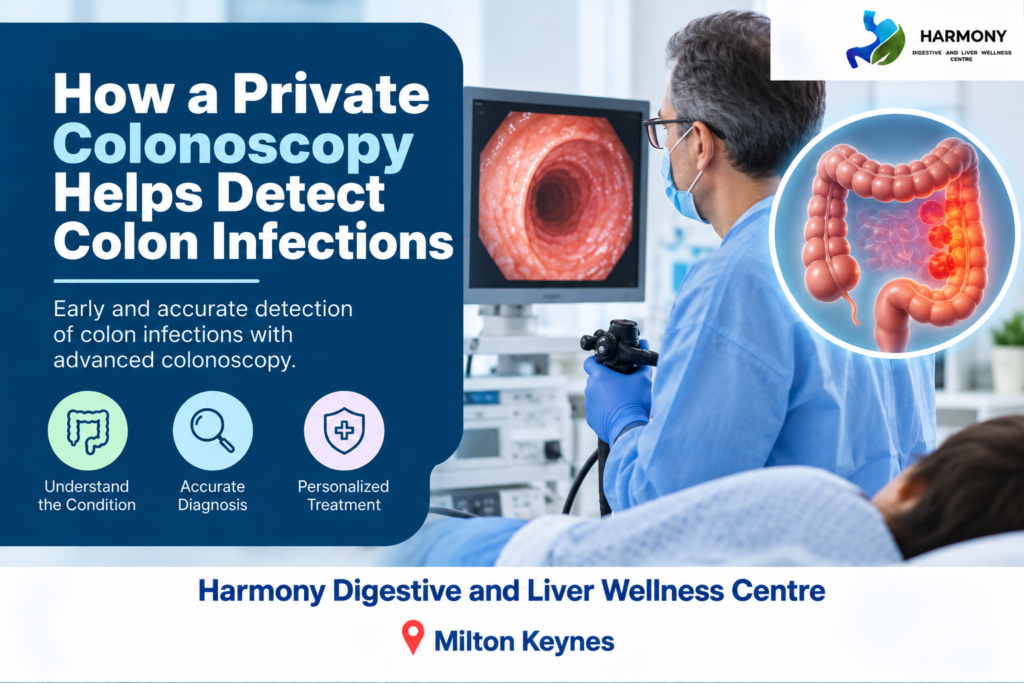
It can be scary to hear that you have an infection in your colon. Having symptoms like diarrhea, stomach cramps, or blood in your stool can make you wonder: Is it something serious? What is the exact cause? What tests to be done? At Harmony Liver and Digestive Wellness Centre in Milton Keynes, we often see patients who have struggled with many gut symptoms. A private colonoscopy is one of the most accurate ways to find out if there are infections of the colon and give you clarity and peace of mind. What Are Infections of the Colon? Colon infections (also called colitis when the lining of the colon is swollen) occur when bacteria, viruses, or parasites disturb the normal balance of the gut. These infections can be mild or even severe. In some cases they may become long-lasting if not treated properly. Common causes include: Bacterial infections such as Salmonella, E. coli, or Clostridium difficile. Viral infections like norovirus or rotavirus. Parasitic infections including Giardia or Entamoeba. Symptoms You Shouldn’t Ignore All the infections are not the same. Some are cured very quickly, while some need medical attention. Symptoms could be: Persistent diarrhoea (sometimes with blood or mucus). Stomach pain and cramping. Fever and fatigue. Nausea or vomiting. Sudden weight loss or dehydration. If these signs don’t improve within a few days or you experience them frequently, further investigation is needed. How a Private Colonoscopy Helps A private colonoscopy helps to look directly inside the colon. This provides much more detail in comparison to other tests and scans. During the procedure, doctors can: Identify swelling and ulcers caused by infection. Take tissue samples (biopsies) for accurate diagnosis. Make sure that other diseases, like cancer or inflammatory bowel disease, aren’t the cause. This helps patients get answers quickly and start treatment at the earliest. Benefits of Choosing a Private Colonoscopy Choosing a private colonoscopy has advantages such as: Shorter waiting times – quicker access to diagnosis. Detailed assessment – including biopsies if needed. Personalised care – with detailed discussions about symptoms and lifestyle factors. At Harmony Liver and Digestive Wellness Centre, our team supports you in the entire process, from preparation to follow-up care. What You Can Do DO AVOID Get tested for hepatitis if at risk. Ignore mild symptoms. Follow prescribed antiviral treatments. Self medicate without advice. Adopt a liver friendly diet. Consume excessive alcohol. Attend regular check-ups. Skip follow-up consultations. Final Word Infections of the colon are common, but they shouldn’t be ignored, especially when they are persistent or severe. A private colonoscopy is one of the best ways to identify the cause, rule out other serious conditions, and begin treatment. At Harmony Liver and Digestive Wellness Centre in Milton Keynes, we offer expert-led colonoscopy services to help patients get clear answers and personalised care. If you’re concerned about ongoing digestive symptoms, arranging a consultation is the first step toward relief and recovery. Book a consultation or screening today: Click Here. To book a private liver consultation or second opinion, Get in touch with us. Had a great experience with us? We’d love to hear your thoughts! Click here to leave a Google review.
Private Endoscopy for Stomach and Bowel Disorders
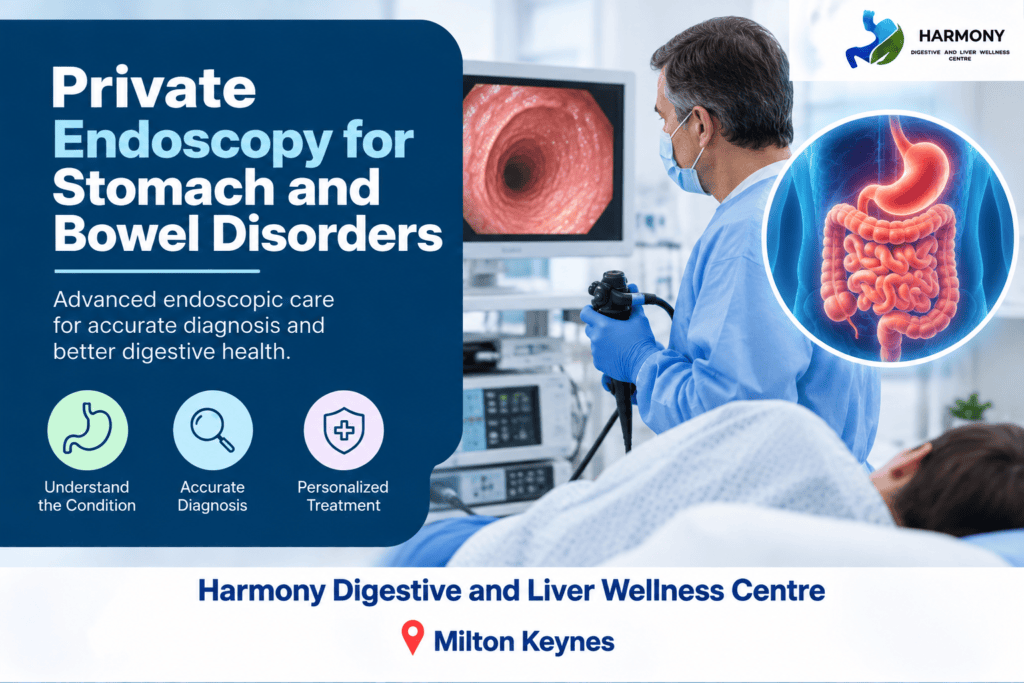
Being told that you might need an endoscopy can feel daunting. A lot of people are worried about the procedure. This is where an endoscopy can help. It gives a safe, detailed way to understand digestive symptoms. At Harmony Digestive and Liver Wellness Centre in Milton Keynes, we carry out private endoscopies to help patients understand their gut health and detect problems on time. Let’s understand what a private endoscopy is, why it is important, and what you can expect. What Is a Private Endoscopy? An endoscopy is a process in which a thin, flexible tube with a camera is sent into the digestive tract. This helps the doctors to see the stomach, oesophagus, and sometimes the bowel. A private endoscopy means the process is arranged outside the NHS. This means the wait time is shorter and flexible scheduling is possible. An endoscopy is suggested to people with the following symptoms: Continuous indigestion or heartburn. Difficulty swallowing. Ongoing abdominal pain. Unexplained weight loss. Anaemia or low iron levels. Changes in bowel habits. Why Private Endoscopy Is Important for Diagnosis Sometimes, digestive issues can be vague or overlap with other conditions. An endoscopy helps to: Detect ulcers, swelling, or infections Identify polyps or abnormal growths Confirm for coeliac disease or Crohn’s disease Check for signs of stomach or bowel cancer Early diagnosis is important because many stomach and bowel issues become easy to manage if caught in the early stages. Let’s say if polyps are detected early, it can help to prevent them from turning into bowel cancer. Private Endoscopy vs Standard Testing Other tests such as blood tests, stool tests, and imaging scans cannot always show what is happening inside the digestive tract. But a private endoscopy helps to get a more precise diagnosis. Private endoscopy offers: Faster results Flexible appointment times A personalised consultation experience What to Expect During a Private Endoscopy The procedure is usually carried out under local anaesthetic spray or light sedation. This reduces discomfort. Most private endoscopies take 15–30 minutes. At Harmony Digestive and Liver Wellness Centre, patients are guided through every step of the process, right from preparation instructions to aftercare. This makes the experience smooth. Taking Control of Your Digestive Health DO AVOID Get tested for hepatitis if at risk. Ignore mild symptoms. Follow prescribed antiviral treatments. Self medicate without advice. Adopt a liver friendly diet. Consume excessive alcohol. Attend regular check-ups. Skip follow-up consultations. Final Word: Why Early Detection Matters A private endoscopy helps to get clarity, reassurance, and start the right treatment at the right time. It also removes any uncertainty and helps to prevent any minor conditions from changing into major ones. At Harmony Digestive and Liver Wellness Centre in Milton Keynes, we provide expert-led private endoscopies. This gives an accurate diagnosis and provides maximum patient comfort. If you’re experiencing persistent stomach or bowel symptoms, consider arranging a consultation today. Book a consultation or screening today: Click Here. To book a private liver consultation or second opinion, Get in touch with us. Had a great experience with us? We’d love to hear your thoughts! Click here to leave a Google review.
Hepatitis Treatment in Milton Keynes | Harmony

The swelling of the liver is known as hepatitis. It can be caused due to a number of factors such as viral infections, alcohol consumption, medicines, or autoimmune diseases. The most common types of Hepatitis are the following: Hepatitis A, B, and C – These are basically viral infections with different modes of transmission and health effects. Alcoholic Hepatitis – It is caused by long-term alcohol use. Autoimmune Hepatitis – This happens when the body’s immune system attacks liver cells. Among all the above types, viral hepatitis B and C are the most concerning because they can lead to long-term liver damage if not managed with the right hepatitis treatment. Recognising Early Signs In the early stages of having hepatitis, people do not experience any obvious symptoms. However, some common signs of hepatitis are as follows: Fatigue and weakness Yellowing of the skin and eyes (jaundice) Abdominal pain, especially near the liver Loss of appetite Nausea or vomiting Dark urine and pale stools Recognising these symptoms early can help in starting timely hepatitis treatment and preventing serious complications. If you notice any of these signs, it is strongly recommended to consult a specialist. Why Proper Diagnosis Matters If you are located in or around Milton Keynes and experiencing any symptoms of hepatitis, it is important to get hepatitis diagnosis in Milton Keynes. This will help to start with the hepatitis treatment at the earliest. Diagnosis usually starts with taking your medical history and physical examination. Blood tests will also be done to check for hepatitis viruses or liver enzyme abnormalities. In some cases, imaging tests or a liver biopsy may be needed to check for liver damage. At Harmony Liver and Digestive Wellness Centre, we use modern testing methods to get a clear understanding of the condition and its severity. Treatment and Management The treatment of hepatitis depends on its type, severity, and stage of the disease. Hepatitis A usually gets fine on its own with rest and proper hydration. Hepatitis B and C may need antiviral medicines to reduce viral load and prevent liver damage. Alcoholic and Autoimmune Hepatitis treatments include lifestyle changes, managing alcohol use, or taking immunosuppressive drugs. For people living with chronic hepatitis, long-term care is essential. This includes ongoing check-ups, liver function tests, dietary guidance, and avoiding substances that damage the liver. With personalised hepatitis treatment plans, patients can manage the condition and maintain a better quality of life. What You Can Do Right Now DO AVOID Get tested for hepatitis if at risk. Ignore mild symptoms. Follow prescribed antiviral treatments. Self medicate without advice. Adopt a liver friendly diet. Consume excessive alcohol. Attend regular check-ups. Skip follow-up consultations. The Final Word Hepatitis is a serious condition, but timely detection and the right hepatitis treatment can prevent long-term liver damage. Understanding hepatitis symptoms and treatment is important in taking the right steps. Harmony Liver and Digestive Wellness Centre in Milton Keynes helps you care for your liver with expert advice, advanced hepatitis tests, and personalised hepatitis treatment plans. Our goal is to keep your liver healthy and prevent any further complications. Book a consultation or screening today : Click Here To book a private liver consultation or second opinion, get in touch with us. Had a great experience with us? We’d love to hear your thoughts! Click here to leave a Google review.
Gastrointestinal Infection Treatment in Milton Keynes
Gastrointestinal infections are very common. One day you are feeling perfectly fine and the next day you experience sudden stomach cramps, diarrhoea, or nausea. This can literally cause confusion and raise questions such as: What causes these infections? How serious are they? Do I need medical treatment? At Harmony Digestive and Liver Wellness Centre, we see many patients who are confused and worried about gastrointestinal infections. This blog explains the causes, symptoms, and the importance of gastrointestinal infection treatment to protect your digestive health. What Are Gastrointestinal Infections? A gastrointestinal infection happens when bacteria, viruses, or tiny parasites get into your tummy or intestines and cause them to feel inflamed or sick. Any part of your digestive system can get affected. There are 2 types of stomach infections: Bacterial Gut Infections – Bacteria like Salmonella or E. coli can cause these infections. Viral Gut Infections – Viruses like norovirus or rotavirus often cause tummy infections, mostly in children and older adults. Poor hygiene, contaminated food or water, and close contact with infected individuals are responsible for the spread of these infections. Symptoms of Stomach Infections The symptoms of stomach infection vary, but some common symptoms are the following: Sudden diarrhoea. Abdominal cramps. Nausea and vomiting. Fever. Loss of appetite. Dehydration. Most of these symptoms get better on their own within a few days. However, in severe cases they can lead to complications such as long-term illness or severe dehydration. This is where timely gastrointestinal infection treatment becomes crucial. Why Timely Gastrointestinal Infection Treatment Matters Timely medical attention for a gastrointestinal infection can help to prevent complications and speed up recovery. A proper diagnosis can help to identify if the cause is bacterial, viral, or parasitic. This also helps to develop a proper treatment plan. Living in or near Milton Keynes and facing tummy problems? It’s a good idea to start gastrointestinal infection treatment in Milton Keynes at Harmony Digestive and Liver Wellness Centre. We use modern tools to find the cause of your infection and develop a treatment made just for you. Treatment of Gastrointestinal Infections Viral Infections: These can be managed with rest, hydration, and symptomatic treatment. Bacterial infections: Treated with antibiotics, depending on how serious they are. Parasitic infections: Treated with special medicines that fight parasites. At Harmony Digestive and Liver Wellness Centre, we aim to provide effective gastrointestinal infection treatment by identifying the root cause and giving you the right care for faster recovery. How to Protect Yourself from Gastrointestinal Infections Some general ways to protect yourself are: Wash hands before eating or preparing food. Drink clean, filtered water. Maintain hygiene. Cook food properly to kill bacteria. If you’re unwell, stay at home to avoid spreading the infection. The Final Word Gastrointestinal infections are common but manageable. When you understand about the symptoms of stomach infections early and take timely consultation, it can make a huge difference. Whatever be the cause, effective gastrointestinal infection treatment in Milton Keynes is available at Harmony Digestive and Liver Wellness Centre. Book a consultation or screening today : Click Here Had a great experience with us? We’d love to hear your thoughts! Click here to leave a Google Review Get in touch with us if have any further queries.
Effect of Low Dietary Fiber in Digestive Health

Do you know that for a healthy digestive system, Fiber is one of the most important components? When the body suffers from low dietary fiber, it can lead to several digestive issues, including constipation, bloating, and poor gut health. Fiber is present in plant-based foods and is a substance our body cannot digest completely, but it plays a vital role in maintaining digestion and promoting overall gut health. What Is Dietary Fiber? Dietary fiber is of two types: Soluble Fiber: This type of fiber can easily be dissolved in water, plus it helps to slow digestion, control blood sugar levels, and lower cholesterol. You will get this fiber through oats, apples and beans. Insoluble Fiber: Another type of fiber is Insoluble, this type of fiber cannot be dissolved in water and adds bulk to the stool, helping in regular bowel movements. Food items like whole grains, nuts, and vegetables are packed with this type of fiber. Both types of fiber are important and inadequate intake leads to low dietary fiber, often causing irregularity and digestive discomfort. Benefits of Dietary Fiber for Digestion The following are the benefits of including fiber in your daily diet: Regulates Bowel Movements Insoluble fiber increases stool bulk, helps to prevent constipation and promote regular bowel movements. Supports Gut Health Some soluble fibres are like prebiotics, which are important for gut bacteria. These prebiotics are important for maintaining a balance of bacteria in the gut and is important for digestion and immune system. Helps in Bowel Disease Prevention and Management If you eat a diet rich in fiber, it decreases the risk of other digestive issues like diverticulitis, hemorrhoids, and colorectal cancer. Helps Manage Weight Fiber-rich foods help to control hunger and prevent overeating as they are more filling. This indirectly supports digestive health and prevents obesity. Fiber-Rich Foods for Digestion To avoid the effects of low dietary fiber, include these foods in your diet: Whole grains such as brown rice, whole wheat bread, and oats. Fruits like apples, pears, berries, and bananas. Vegetables such as carrots, broccoli, and leafy greens. Legumes like lentils, chickpeas, and black beans. Nuts and seeds like almonds, chia seeds, and flaxseeds. It is recommended to slowly increase fiber intake and drink a lot of water to avoid bloating or discomfort. When to See a Digestive Health Specialist At times, we suffer from digestive issues such as irregular bowel movement, bloating, or stomach discomfort. These may be linked to low dietary fiber or other conditions such as irritable bowel syndrome (IBS) or small intestinal bacterial overgrowth (SIBO). In such cases, consult a digestive health specialist in Milton Keynes. Conclusion Improvement in digestion is not the only benefit of dietary fiber. When you consume fiber in a balanced way, it supports regular bowel movement, nurtures a healthy gut microbiome, prevents digestive disorders, and helps manage weight. When you consume a variety of fiber-rich foods for digestion, it becomes a simple yet effective way to maintain digestive health. For guidance on overcoming low dietary fiber and improving your gut health, book your consultation today with the digestive health specialists at Harmony Digestive and Liver Wellness centre in Milton Keynes. Book a consultation or screening today : Click Here To book a private liver consultation or second opinion, get in touch with us. Had a great experience with us? We’d love to hear your thoughts! Click here to leave a Google review.
Polyps – What They Are and How You Can Manage Them

Finding out that you have polyps, particularly when you have no symptoms, can be worrying. You may think: What are these? Are they dangerous? What steps should I take next? As digestive health specialists in Milton Keynes, we see many patients with polyps during routine screenings or check-ups. What Are Polyps? Polyps are small lumps that can develop on the lining inside the colon. They can be different sizes and shapes and are typically harmless, but it’s good to have them checked just in case. But if not treated in time, some of the types can develop into cancer. The following are the different types: Adenomatous polyps – These are precancerous and have a higher chance of becoming cancer. Hyperplastic polyps – These are usually harmless and less likely to become cancerous. Inflammatory polyps – Often associated with conditions such as ulcerative colitis. What Are the Symptoms of? In most cases polyps do not have any symptoms, due to which they can remain undetected for years. But when symptoms do appear, they can be: Rectal bleeding Blood in the stool Changes in bowel habits (diarrhea or constipation) Abdominal discomfort Polyps are silent, which means that regular screening is important. This becomes all the more essential if you are over 50 or have a family history of digestive problems. Why Is Early Detection Important? Early detection helps to prevent serious health problems. A colonoscopy helps to spot and remove the polyps. In this procedure, doctors check the colon lining and remove any polyps they find. At Harmony Digestive and Liver Wellness Centre in Milton Keynes, our digestive health specialists offer expert colonoscopy services and make treatment plans as per your condition. How Are Polyps Treated? These are removed during colonoscopy. The following is the process of polyp treatment: Spotting the polyp during the colonoscopy Removing it carefully with specialized tools Sending the polyp to the lab to identify its type If it’s found to be precancerous or cancerous, you would be told the further steps of treatment. How to Maintain Digestive Health Make some lifestyle changes to reduce the risk, such as: Eat a balanced, fiber-rich diet Maintain a healthy weight Exercise regularly Avoid smoking and excessive alcohol Keep up with recommended screening schedules What You Can Do Right Now DO AVOID Eat plenty of fruits, vegetables, and whole grains Skip high-fat and heavily processed foods Exercise in moderation each week Prolong periods of inactivity Take regular appointments Wait for symptoms to appear before seeking help Consult a digestive health specialist Rely only on online information The Final Word Polyps are common and often harmless, but they can develop into cancer without early detection and treatment. With regular screenings, professional medical advice, and healthy lifestyle habits, the risk of complications can be managed effectively. The following services are provided at Harmony Digestive and Liver Wellness Centre, Milton Keynes: Advanced colonoscopy procedures and polyp removal Complete digestive health testing for better results Guidance from experienced specialists, given according to your condition Ongoing care to help you maintain digestive wellness Book a consultation or screening today : Click Here To book a private liver consultation or second opinion, get in touch with us. Had a great experience with us? We’d love to hear your thoughts! Click here to leave a Google review.
Understanding Bile Duct Cancer Symptoms and Risk Factors

When we usually think about liver or digestive health, we focus on the liver itself, the stomach, or the intestines. The bile ducts don’t even come to mind. However, these tiny ducts carry bile, a digestive fluid made by the liver, to the small intestine. This bile helps the body break down and absorb fats in our body. In some rare cases, cancer can begin in these ducts. This is known as bile duct cancer, or cholangiocarcinoma. Even though this type of cancer is not as common as many others, learning about bile duct cancer symptoms and risk factors is extremely important. Awareness about its symptoms means treatment can begin sooner and outcomes can be better. What is Bile Duct Cancer? Bile duct cancer (cholangiocarcinoma) starts to develop due to the abnormal growth of cells in the lining of the bile ducts. These ducts run from the liver and the gall bladder to the small intestine. This cancer is of two types depending on where it starts: Intrahepatic cholangiocarcinoma (inside the liver) Extrahepatic cholangiocarcinoma (outside the liver, near the small intestine) Common Bile Duct Cancer Symptoms to Watch For A very big challenge of bile duct cancer is that bile duct cancer symptoms may appear late, and they are usually similar to other liver or digestive problems. Some symptoms that can point to bile duct cancer are as follows: Jaundice (yellow skin and eyes) Pain in the upper right side of the abdomen Sudden weight loss or reduced appetite Ongoing itching Dark-colored urine and light-colored stools Feeling tired or having a fever If you notice these symptoms, it does not always mean you have bile duct cancer, but it is important to get checked by a doctor quickly. Risk Factors for Bile Duct Cancer The following are some risk factors that are linked to bile duct cancer: Hepatitis or cirrhosis (chronic liver disease) Primary sclerosing cholangitis or other bile duct issues Gallstones or stones in the bile ducts Older age, usually 50+ Smoking habits and frequent alcohol use Understanding these risks along with bile duct cancer symptoms can help people take proactive steps for their liver health. When to See a Doctor Bile duct cancer is a rare condition, due to which people delay in getting help. Many think that these symptoms may be because of minor issues. But early medical attention can increase the chances of having a successful treatment. If you experience jaundice, unexplained weight loss, or ongoing abdominal pain, and especially if these are among the known bile duct cancer symptoms, it is important to consult a liver specialist. Conclusion Though bile duct cancer is uncommon, it is a serious condition. Recognising the symptoms and being mindful of the risks can support early detection and better management. At Harmony Digestive and Liver Wellness Centre, we are committed to guiding you with the right information and care. If you or a loved one is experiencing any of these bile duct cancer symptoms that you can relate to bile duct cancer, do not wait. Taking timely and expert medical advice is an important step towards protecting your liver health. To book a private liver consultation or second opinion, get in touch with us. Had a great experience with us? We’d love to hear your thoughts! Click here to leave a Google review and share your feedback.
Bile Duct Cancer – Diagnosis & Treatment | Harmony
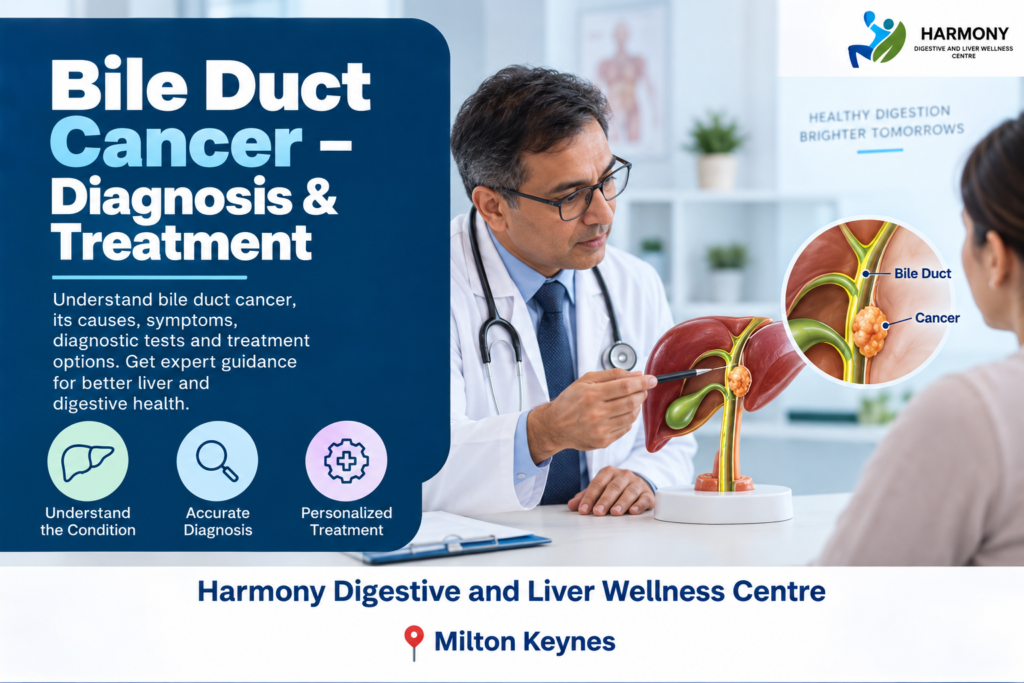
Hearing the words bile duct cancer (also called cholangiocarcinoma) can feel overwhelming. Anyone who has bile duct cancer will naturally have a lot of questions. The person may want to know what it means, how it is treated, and how life can be managed with this condition. Bile duct cancer is not a very common type of cancer but today medicine has made advancements to a large extent and there are many ways to treat and cope with it. This blog explains the main treatment options and some simple strategies to support yourself or a loved one through the journey. How is Bile Duct Cancer Diagnosed? The treatment for bile duct cancer starts after a few tests are done to confirm the diagnosis. The following tests may be done: Blood tests to check liver function. Imaging scans such as MRI, CT scan, or ultrasound to see the bile ducts more clearly. Biopsy is done to confirm if the cancer cells are present or not. Getting the right tests done is the first step to find the most effective treatment plan. Treatment Options for Bile Duct Cancer The choice of treatment depends on where the cancer is, how advanced it is, and the patient’s overall health. Some treatment options are: Surgery – Doctors may operate to remove the bile duct or liver section if cancer is found early. Liver transplant – A new liver may be recommended in select cases. Radiation therapy – High-energy rays are used to target and destroy cancer cells. Chemotherapy – Anti-cancer medicines can be prescribed that help stop or slow cancer growth. Targeted therapy and immunotherapy – Advanced options that target cancer cells or improve the immune system. Your doctor and his team of experts will help you with the right choice for your situation. Living with Bile Duct Cancer Recovery does not only mean medical treatments. Everyday habits also matter a lot. Some habits that can help you tackle bile duct cancer are as follows: Healthy diet – Nutritious meals support the liver and keep your body strong. Gentle activity – Walking or light exercise boosts energy and mood. Side effect care – Talk to your doctors about pain, nausea, or fatigue for proper help. Emotional support – Sharing feelings with loved ones or joining groups can help in management of stress. Support and Care Managing bile duct cancer is a team work. You work with doctors, nurses, and caregivers to help you manage your condition. Support from family, honest conversations, and faith in doctors can give courage through tough times. Conclusion Bile dust cancer is a challenging condition, but many people are easily able to live fulfilling lives with proper treatment and support. If you or any of your close ones are facing this condition, remember that you are not alone. At Harmony Digestive and Liver Wellness Centre, we provide dedicated services to guiding patients with expert care, compassion, and the latest treatment options. Early consultation with a liver specialist can make all the difference. Book a consultation or screening today: Click Here Had a great experience with us? We’d love to hear your thoughts! Click here to leave a Google Review Get in touch with us if have any further queries.
Ascites Treatment, Complications, and Prevention
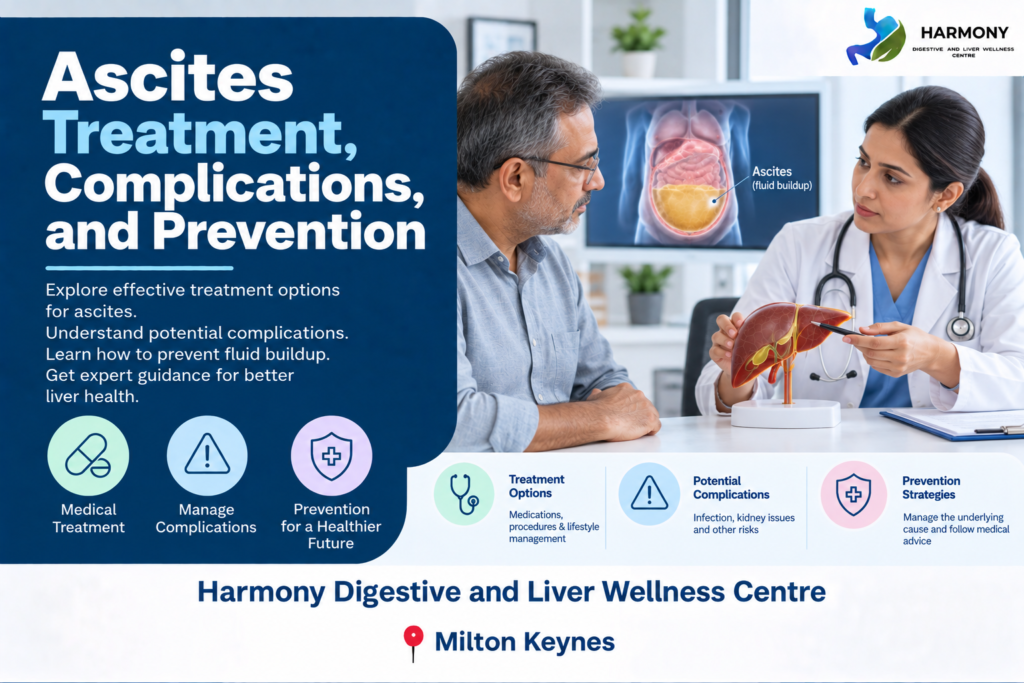
In our earlier blog we understood what ascites is, its causes, and how it is diagnosed. Now we will focus on what happens after diagnosis, what are the treatment options, any complications that can arise, and the steps that can be taken to manage the condition. Without proper ascites treatment, the condition may worsen over time, making early medical care essential. Why Ascites Treatment Is Important Ascites in itself is not a disease. It mostly points out to another health problem i.e. liver cirrhosis. When fluid builds up in the abdomen, it starts to cause discomfort, make breathing difficult, and increase the risk of infection. Without proper care, the condition can worsen over time. That is why discussing the treatment options of ascites with a liver specialist is very important. Ascites Treatment Options The treatment of ascites depends upon how severe the condition is and what is the underlying cause. The ascites treatment helps to reduce the symptoms, prevent complications, and manage the root cause. Managing ascites usually includes: Dietary modifications – Limiting salt in meals is an effective way to manage fluid buildup. Diuretics (water tablets) – These medicines help to remove the extra fluid from the body through urine. Paracentesis – A procedure where a doctor drains the fluid from the abdomen using a thin needle. This is especially helpful when fluid buildup is large. Treating the underlying condition – For example, managing liver cirrhosis ascites with lifestyle changes, antiviral medicines (in case of hepatitis), or stopping alcohol use. Surgery or liver transplant – In severe cases a transplant may be the only choice. The treatment plan is always made according to the individual’s health and should be guided by a liver specialist. Possible Complications of Ascites Untreated ascites may cause several complications such as: Spontaneous Bacterial Peritonitis (SBP) – A dangerous infection in the abdominal fluid. Kidney damage – Excess fluid retention may harm the functioning of the kidneys. Breathing problems – Fluid pressure makes normal breathing more difficult. Hernias – High abdominal pressure may trigger hernia development. These issues can become severe quickly, which is why early treatment is essential. Can Ascites Be Prevented? If liver disease has already developed, it may not be possible to prevent ascites. But its risk and progression can be reduced by making healthy lifestyle choices. Some steps to protect your liver are as follows: Avoid alcohol or drink moderately. Eat a balanced diet low in salt. Manage your weight. Get vaccinated against hepatitis B. Management of long-term health conditions such as diabetes and high cholesterol. If you have liver disease, routine check-ups become even more important. These steps can improve liver health and lower the risk of developing ascites. Conclusion Ascites can sound alarming, but ascites treatment is available to keep it under control. Starting treatment on time not only reduces risks but also improves day-to-day comfort. Regular check-ups are especially important if you live with liver disease. At Harmony Digestive and Liver Wellness Centre, we provide dedicated liver cirrhosis ascites management to enhance quality of life. If you have concerns about abdominal swelling or fluid buildup, a liver specialist can guide you in the right direction. Book a consultation or screening today: Click Here Had a great experience with us? We’d love to hear your thoughts! Click here to leave a Google Review and share your feedback Get in touch with us if have any further queries.
Ascites Explained: Causes, Symptoms, and How It’s Diagnosed
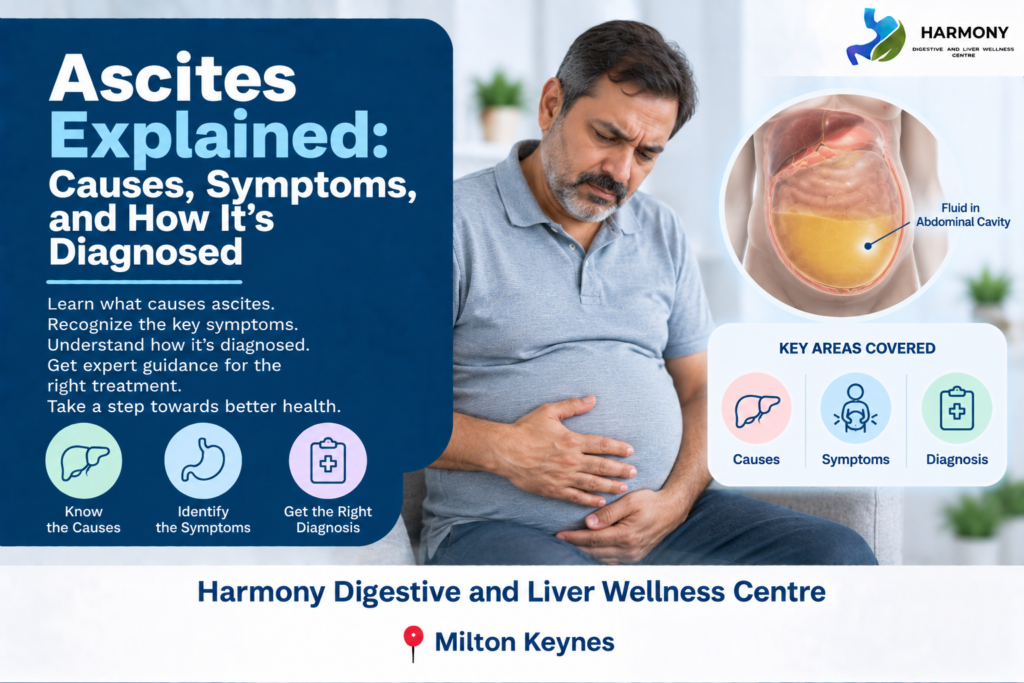
You may have heard about a lot of liver related conditions. You may come across the term ascites, which is basically fluid build up in the abdomen. This is not a disease but rather a sign of another health problem that needs proper medical care. In this blog we will understand what it means, its causes, symptoms, and how it is diagnosed. What is Ascites? When extra fluid gathers inside the abdominal cavity, it leads to ascites. This condition can make the belly look larger or bloated. It can cause discomfort. This condition develops slowly and is usually linked to liver disease such as cirrhosis, but can also be related to other health conditions. Since it is a complication rather than a disease on its own, identifying the root cause is the first step in managing it effectively. What Causes Ascites? The most common cause is liver cirrhosis, which damages the liver and affects blood flow. This leads to fluid leakage into the abdomen. However, there are other possible causes too. Major causes are: Liver Cirrhosis – The leading cause. Cancer – Specially those cancers that spread to the abdomen such as ovarian, pancreatic, or colon cancer. Heart Failure – When the heart is not able to pump blood as it should. Kidney Disease – Severe damage to the kidney can disturb the fluid balance. Infections – Tuberculosis and some other abdominal infections. The major cause known is liver disease but it’s important to consider all possibilities. Symptoms of Ascites The signs may vary depending on how much fluid has built up. Some people start to notice changes early, while others realise only when the swelling becomes too much. Common symptoms are as follows: Abdominal swelling or bloating Feeling full quickly after eating Shortness of breath due to pressure on the lungs Swelling in the legs and ankles Unexplained weight gain Loss of appetite Weakness These symptoms often overlap with other conditions, which is why proper diagnosis is essential. How is Ascites Diagnosed? Diagnosis usually starts with a physical check-up. A tight or swollen belly often gives the first clue. To be sure, doctors may suggest tests such as: Ultrasound or CT scan – To spot fluid collection and check liver health. Blood tests – To look for signs of infection, cancer, or liver problems. Paracentesis – A small sample of fluid from the belly is tested to know the exact cause. Getting evaluated by a specialist in the UK or at a private liver clinic near me can help get a timely diagnosis and treatment. Conclusion Ascites is not a disease but a warning sign that usually points to liver cirrhosis. Recognising its signs early and seeking medical advice makes treatment more effective and helps prevent serious health issues. If you or a family member is struggling with abdominal swelling or bloating, consider consulting a specialist UK. At Harmony Digestive and Liver Wellness Centre, we deliver expert support and liver cirrhosis ascites treatment in Milton Keynes. Book a consultation or screening today: Click Here Had a great experience with us? We’d love to hear your thoughts! Click here to leave a Google review and share your feedback. Get in touch with us if have any further queries.