 Skip to main content


Liver Disease and Drugs: Understanding the Connection and Its Impact
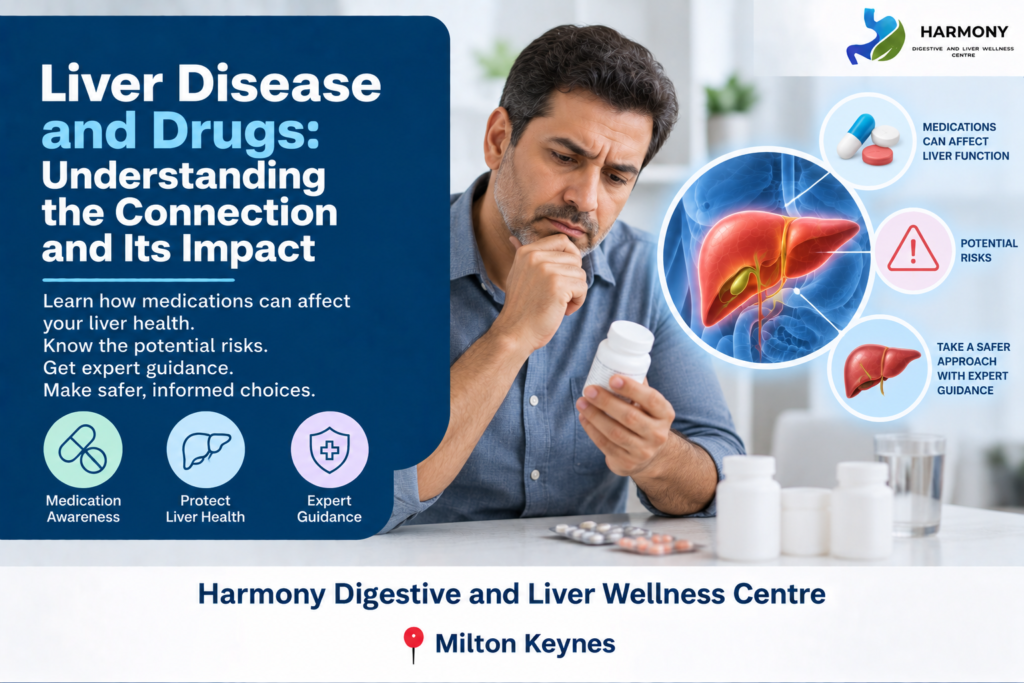
Today alcohol is a part of many people’s lives. It has become a part of our celebrations, relaxation, and socialisation. But when drinking becomes heavy or long-term, it can start damaging the most important organs in your body — the liver. This damage is caused by consuming too much alcohol over time and is known as Alcoholic Liver Disease (ALD). Let’s take a closer look at what this condition is, how it begins, and why spotting it early is so important. The Role of Liver The liver is an organ that removes toxins from our body. Apart from removing toxins, it keeps the blood clean, helps in digestion, stores energy, and breaks down toxins like alcohol. It also plays a role in processing various drugs used for treating liver disease and other conditions. Alcohol, however, in excess, can lead to inflammation, fatty liver disease, and cirrhosis of the liver. This combination of liver disease and drugs can complicate the liver’s function further. This is when alcoholic liver disease starts. Who Is at Risk? Heavy drinkers are at a higher risk, but not everyone who drinks will get alcoholic liver disease (ALD). There are several factors that increase your chances: How much and how often you drink: Consuming large amounts of alcohol regularly can increase the chances of developing ALD. Gender: Women have more chances of developing ALD than men, even with lower alcohol consumption. Other liver conditions: Risk is higher for those who already have hepatitis or fatty liver disease. Obesity and poor nutrition: These make your liver even more sensitive to alcohol damage. Genetics and family history: Some people are more prone due to genetics. Use of certain medications: Some drugs can interact with liver disease and worsen its progression If you are concerned about your risk or drinking habits, a private liver scan clinic in the UK like Harmony Gut and Liver can help you assess your liver health confidentially and with care. How Does Alcohol Damage the Liver? The liver helps to break down the alcohol consumed and flushes it out of the body. But if the consumption is too high, it can lead to build-up and cause: Fat deposits in liver cells (steatosis) Inflammation of the liver (hepatitis) Long-term scarring (cirrhosis) These changes do not happen suddenly. It is a slow and gradual process, that is why ALD is not noticed until there is damage to the liver. When liver disease and drugs are both involved, the damage can become harder to reverse. Common Symptoms of Alcoholic liver Disease (ALD) to Watch Out For! In the early stages, you might not feel anything at all. So, many people do not realise they have ALD until it progresses. However, some signs to watch out for include: ● Feeling tired all the time ● Loss of appetite or weight ● Pain or discomfort in the upper right side of the tummy ● Yellowing of the skin or eyes (jaundice) ● Nausea, vomiting, or diarrhoea ● Swelling in the stomach or legs If you notice any of these signs and have a history of drinking, you should seek medical help early. A liver specialist in Milton Keynes is there to support you through every step – from diagnosis to finding the right treatment. How Is Alcoholic Liver Disease (ALD) Identified? To figure out if you have alcoholic liver disease, doctors start with your health background, physical exams, and do some tests. These often include: Blood tests: To check for liver damage Scans: Like an ultrasound or FibroScan to see how fatty or large the liver is Biopsy (if required): To find out how serious the damage is Specialist consult: For alcoholic hepatitis and treatment planning Medication review: Doctors may assess any drugs you’re taking to avoid interactions with liver disease. Early diagnosis can really help by giving you more treatment choices and a better chance to heal. Why Early Detection Is So Important? The earlier alcoholic liver disease (ALD) is detected, the better chances we have for a successful treatment. At this point, the damage is still reversible if alcohol is stopped completely. But if left undetected, ALD can quickly progress to alcoholic hepatitis, which is more serious and dangerous to life. Continuous alcohol use can then lead to cirrhosis, which is the most severe stage of liver scarring. Here the liver is at a point where it cannot heal itself. Getting a cirrhosis diagnosis and care in Milton Keynes through private clinics like Harmony Gut and Liver makes sure that you get timely attention and expert consultant care without the wait. Final Thoughts Your liver works hard to take care of you every single day. But alcohol can silently damage it before you even notice a problem. The good news? If caught early, alcoholic liver disease can be managed and also reversed with proper care. This is especially true when liver disease and drugs are both monitored closely by a specialist. If you are worried about your drinking, or just want to make sure your liver is healthy, take the first step. Book a check-up. A private liver scan clinic in the UK like Harmony can offer the tests, guidance, and personalized care you need in a discreet, supportive environment. Had a great experience with us? We’d love to hear your thoughts! Click here to leave a Google review and share your feedback.
Are GLP 1 Supplements Safe for Those with Gut or Liver Condition?
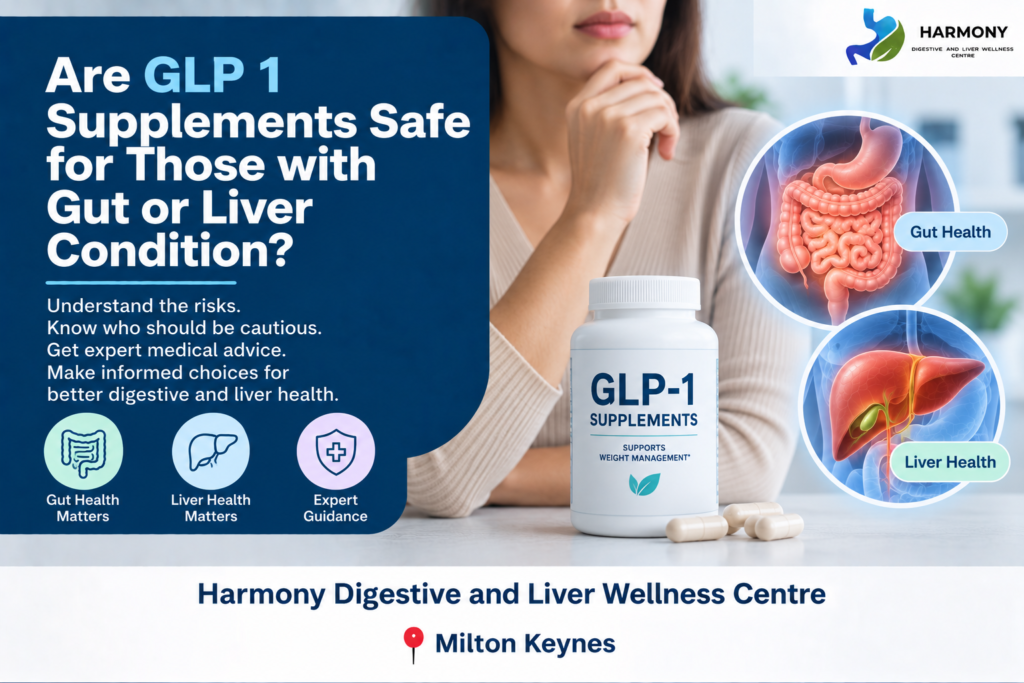
GLP 1 supplements like Ozempic, Wegovy, and Mounjaro are widely used for diabetes and weight management. If you already have a longstanding digestive or liver condition, you may wonder whether these medications are right for your gut or liver conditions. How these drugs affect digestion They work by slowing stomach emptying and overall transit time in the bowels and influence the release and actions of gut hormones that regulate appetite and digestion. These mechanisms help lower blood sugar and promote weight loss. However, they can also lead to common gastrointestinal side effects such as: Feeling full very quickly (desirable for those looking to lose weight) Nausea and vomiting Bloating, indigestion, and reflux Constipation or diarrhoea Most people find these effects settle with time or a slower dose increase. However, for those with pre-existing gastrointestinal conditions, symptoms may be more intense or persistent. Gastroparesis (Slow Stomach Emptying) Gastroparesis is a condition where the stomach takes too long to empty its contents, leading to bloating, early satiety, nausea and in severe cases vomiting, regurgitation and worsening reflux. These medications slow gastric emptying as part of their mechanism, which can mimic or exacerbate symptoms of gastroparesis. There are case reports of patients developing severe symptoms that resolved after discontinuing GLP 1 supplements. There are no clinical trials on GLP‑1 use in patients with diagnosed gastroparesis. If you suspected delayed gastric emptying or have been diagnosed with it, it is strongly advised to consult a Gastroenterologist prior to- and if on these medicines. IBS (Irritable Bowel Syndrome) IBS is a gastrointestinal disorder that causes abdominal pain and altered bowel habits. This is usually due to a disordered interaction between the gut and the brain. It includes subtypes such as constipation-predominant (IBS‑C), diarrhoea-predominant (IBS‑D), or a mixed variety. GLP‑1s may worsen IBS‑C by further slowing gut transit. For IBS‑D, the effect is less predictable and may vary between individuals with some finding them beneficial. Remember IBS is diagnosed once other causes have been ruled out. There are many situations where an initial diagnosis of IBS ultimately turns out to be an Inflammatory Bowel Disease. Speak to your Gastroenterologist if you need further clarification prior to taking GLP 1 supplements or if your symptoms flare whilst on them. What About GLP 1 supplements and Inflammatory Bowel Disease (IBD)? If you have Crohn’s disease or ulcerative colitis—or a family history of IBD—you may wonder whether weight-loss or diabetes medications like Ozempic or Mounjaro are safe to use. Current available research suggests GLP-1 injections do not increase the risk of developing IBD. In fact, some studies suggest they may have a mild anti-inflammatory effect in the gut. Large observational data from Scandinavian countries even hint that people taking GLP 1 supplements may be less likely to develop new-onset IBD compared to those on older diabetes medications. That said, people with active Crohn’s disease, bowel strictures, or previous bowel surgeries should be cautious. These medications can slow down gut motility, which may not be ideal if you already have narrowed or inflamed bowel segments. Always discuss with your gastroenterologist before starting and alert them of any change in symptoms. Reflux & Functional Dyspepsia Gastro-Oesophageal Reflux Disease (GORD-reflux or short) occurs when stomach acid/fluid backs up into the oesophagus. Functional dyspepsia includes symptoms like bloating, early fullness, and upper abdominal discomfort without a clear cause. GLP‑1 drugs may increase the risk of reflux by delaying gastric emptying. This simply means food and other contents stay in the stomach longer and tends to move into the Oesophagus easier, and for longer. Managing reflux is difficult. Over the counter drugs and acid suppressants only do so much to alleviate reflux (not all reflux is acid). Weight loss ultimately improves reflux and its symptoms. Your gastroenterologist will advise on the best course of action if your reflux worsens. There are tests that can correlate your symptoms with reflux. Gallstone & Gallbladder Disease GLP‑1 medications are associated with an increased risk of gallstone formation, particularly during rapid weight loss. They slow gallbladder movement, leaving the bile in for longer and increase biliary cholesterol concentration. This effect is potentiated by fasting due to reduced food intake. Studies have shown a 30–55% increased risk of gallstones or gallbladder complications in GLP‑1 users, especially at higher doses or with prolonged use. Gallstones may move into the bile duct to cause severe pain, jaundice or infections and less commonly, pancreatitis. This may require procedures such as EUS and/ or ERCP (where gallstones are looked for and removed), usually performed by a Gastroenterologist. Speak to your Gastroenterologist if you have Gallstones and are planning on taking GLP-1 drugs. Pancreatitis (Pancreas Inflammation) Acute pancreatitis has been reported in some individuals using GLP‑1 medications, although this remains uncommon. It is postulated that pancreatitis may be secondary to gallstones, however we do not know this with certainty. Post-marketing surveillance and observational studies have raised some concern, prompting regulatory reviews. In fact, patients are encouraged to report pancreatitis whilst on GLP-1 drugs here :https://yellowcard.mhra.gov.uk People with a prior history of pancreatitis are generally considered at higher risk. These drugs are best avoided in this scenario. Symptoms such as severe abdominal pain, nausea, vomiting, or fever should prompt immediate evaluation by calling 111 or attending A&E. For those with chronic pancreatitis, it is advised to closely follow up with a Gastroenterologist while on GLP-1 drugs. Chronic Liver Disease & Liver Fibrosis Chronic liver disease includes a spectrum of conditions from fatty liver (MASLD/MASH) to cirrhosis. In fatty liver disease, GLP 1 supplements show promising benefit. A study called the LEAN trial found a similar drug called Liraglutide improved liver inflammation and fibrosis in patients with MASLD. Ozempic has shown a 59% resolution rate of steatohepatitis in trials, though fibrosis improvement was less clear. In patients with other chronic liver diseases, such as viral hepatitis or alcohol-related liver disease, evidence is limited but early data suggest GLP‑1s may help reduce liver fat and improve liver enzymes. This is best followed up by a Gastroenterologist or
Small Intestinal Bacterial Overgrowth (SIBO): Symptoms, Causes & Treatment
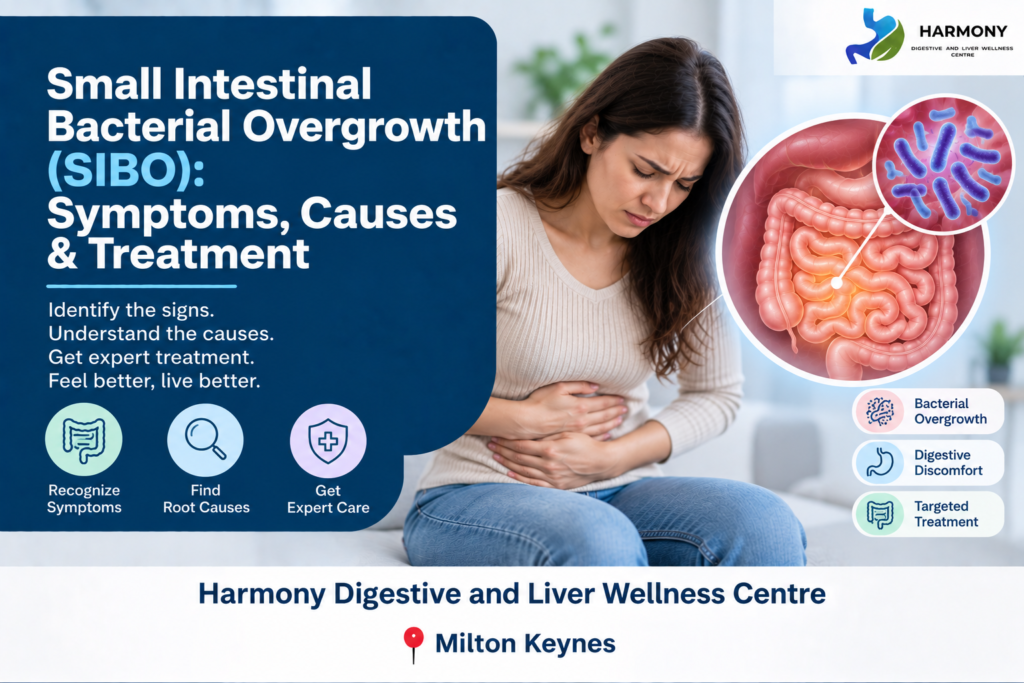
Some people experience certain symptoms for a long time and assume them to be completely normal. For example, bloating after meals, gas, uncomfortable fullness even after eating very little. But in reality these signs could be more than indigestion or stress.Private SIBO Testing in Milton Keynes As a SIBO specialist in Milton Keynes, we see many patients who’ve been through numerous treatments for IBS, reflux, or “sensitive gut” before finding the real answer: SIBO. Let’s help you understand what SIBO is, why it causes so much trouble, how it’s diagnosed, and what treatment looks like. If you’re considering private SIBO testing in the UK, this will also give you clarity on what to expect. What is SIBO? SIBO stands for Small Intestinal Bacterial Overgrowth. It happens when bacteria that are normally found in other parts of the digestive system start growing in the small intestine. And they shouldn’t be here in such large numbers. When there’s too much bacteria there, it disrupts digestion and causes fermentation of food, leading to uncomfortable symptoms. What Are the Common Symptoms of SIBO? SIBO symptoms are very similar to other gut issues, which is why it can be misdiagnosed. Common signs include: Common signs include: ● Bloating, especially after meals ● Excessive gas or belching ● Abdominal discomfort or cramping ● Diarrhoea or constipation (or alternating between the two) ● Feeling full quickly or after small meals ● Nutrient deficiencies like B12 or iron ● Fatigue or brain fog If you’re constantly searching for a bloating and gas relief specialist, but nothing seems to be working, SIBO could be the missing piece. What Causes SIBO? Several factors can lead to SIBO: ● Slow gut motility (movement of food through the intestines) ● Previous abdominal surgery ● Long-term use of acid relieving medications ● Chronic illnesses like diabetes or hypothyroidism ● Structural problems in the intestines ● Food poisoning Sometimes there could be a combination of factors. “I’ve Tried Everything, Why Haven’t I Been Tested for SIBO?” SIBO isn’t usually tested for in all practices, particularly if your symptoms are labelled as IBS. Testing for SIBO is simple, non-invasive, and now accessible through private SIBO testing in the UK. At Harmony Digestive and Liver Wellness Centre, we offer breath testing to check for hydrogen and methane gases produced by the bacteria in your small intestine. This gives us a clear picture of if SIBO is present and if it does exist then what type we’re dealing with. How Is SIBO Treated? Once SIBO is diagnosed, it is usually treated with: ● Antibiotics or herbal antimicrobials to reduce bacterial overgrowth ● Dietary changes, such as a low FODMAP or elemental diet (for a short period) ● Prokinetic medications to support gut movement ● Addressing root causes Treatment often involves more than just one step. It’s about getting to the root of the issue. Will It Come Back? SIBO can come back if the root of the issue is not addressed. So consulting a gut health specialist near me who understands the full picture can make a difference. At Harmony, our team provides both treatment and long-term support plans to help reduce recurrence and keep your digestive health on track. When Should You See a SIBO Specialist? If you’ve been living with digestive symptoms that keep returning no matter what you eat or try, this is the time to act. You don’t need to “just live with it.” You deserve answers. You deserve solutions. You deserve to feel well again. Consider seeing a SIBO specialist in Milton Keynes if: ● Your bloating and discomfort are getting worse over time ● You’ve been treated for IBS with little success ● You’re tired of trying food eliminations without relief ● You want an expert-guided, personalised plan—not guesswork What Can You Do Right Now? Here’s what you can start doing today: ● Keep a symptom diary: note down what you eat and how you feel afterward ● Avoid excessive snacking ● Consider speaking to a professional for private SIBO testing in the UK ● Don’t depend on random probiotics as it can worsen symptoms in SIBO ● Reach out for a private gut health consultation for the right guidance. Final Thoughts SIBO isn’t just “bloating” or “just IBS.” It’s a treatable condition that once identified, can make a huge difference. At Harmony Digestive and Liver Wellness Centre in Milton Keynes, we offer complete evaluations, breath testing, expert care, and treatment plans according to your needs. If you’re looking for a bloating and gas relief specialist or a gut specialist near me, we’re here to help. To book a private liver consultation or second opinion, get in touch with us Had a great experience with us? We’d love to hear your thoughts! Click here to leave a Google review and share your feedback.
Cancer Screening Tests for Early Gut, Liver & Pancreatic Detection
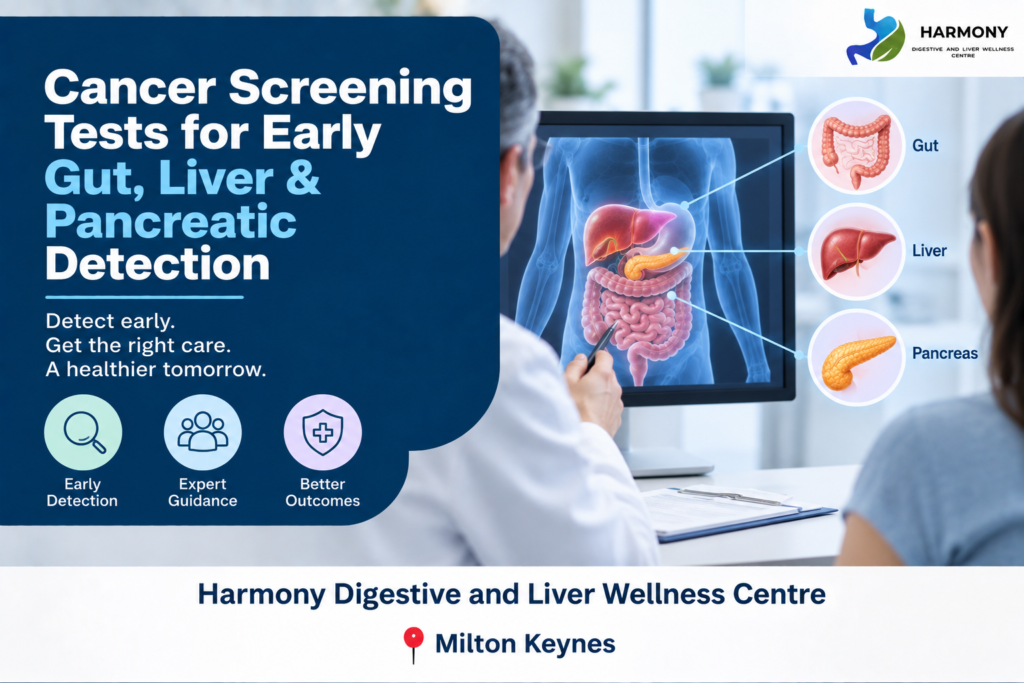
Why Early Detection Matters Cancers of the gastrointestinal (GI) tract, pancreas, and liver are among the leading causes of cancer-related deaths worldwide. One of the main reasons these cancers are so dangerous is that they often don’t cause symptoms until they are quite advanced. Early detection can seriously improve the chances of a successful treatment and at the same time increase survival rates. Early Cancer Detection In Milton Keynes For example: ● Bowel cancer, when detected early, has a 90% 5-year survival rate. ● Pancreatic cancer has a notoriously poor prognosis, but outcomes are better if diagnosed before it spreads. ● Liver cancer treatments such as surgery or ablation are more effective in early-stage disease. At Harmony Digestive and Liver Wellness Centre, we provide a complete pathway for early cancer detection. You could be looking for a private gastro Milton Keynes consultation or want to explore advanced screening options, our clinic is designed to support you at every step. Who Should Consider Screening or Evaluation? You don’t have to wait for symptoms to get checked. Screening and evaluation are especially important if you: ● Are above the age of 50 ● Have a personal or family history of bowel, liver, or pancreatic cancer ● Experience unexplained weight loss, fatigue, or abdominal pain ● Notice changes in bowel habits or digestion ● Have risk factors such as smoking, diabetes, heavy alcohol use, or fatty liver disease ● Live with chronic conditions like ulcerative colitis, Barrett’s oesophagus, or viral hepatitis Early evaluation allows for timely diagnosis and treatment plans made according to your needs. At Harmony, a cancer screening specialist at Milton Keynes can help you understand your risks and recommend the right diagnostic tests as well. We’re also a trusted liver treatment center in Milton Keynes for patients who are managing chronic liver issues that could become more serious problems if left unchecked. Tests Used to Detect Gastrointestinal, Liver, and Pancreatic Cancers Early Depending on your symptoms or risk profile, a specialist may recommend one or more of the following tests: ● Gastroscopy: A camera test to view the oesophagus, stomach, and duodenum ● Colonoscopy: A camera test to examine the large bowel and detect or remove polyps ● FibroScan: A non-invasive scan to assess liver stiffness and fat content. This test is helpful in early liver disease ● CT or MRI scans: Detailed imaging of the liver and pancreas for tumours or structural changes ● Blood tests: Including liver function tests, pancreatic enzymes, and tumour markers like CA 19-9, CEA, or AFP ● Stool tests: Such as FIT (Faecal Immunochemical Test) or stool DNA testing to pick up traces of hidden blood or abnormal cells If you’re concerned specifically about pancreatic health, we also provide a pancreatic health check UK with expert interpretation by our gastroenterologists. Symptoms That Shouldn’t Be Ignored Many early symptoms of gastrointestinal, pancreatic, or liver cancers can be unclear. Seek medical advice if you experience: ● Ongoing indigestion, heartburn, or abdominal bloating ● Changes in your stool (colour, consistency, frequency) ● Yellowing of the skin or eyes (jaundice) ● Feeling unusually full after small meals ● Persistent upper abdominal or back pain ● Fatigue, weight loss, or new-onset anaemiaThese signs do not always indicate cancer, but they need a thorough evaluation. If you’re searching for a gut specialist near me, our clinic at Milton Keynes offers private consultations without long wait times. How You Can Lower Your Risk While not all cancers can be prevented, some steps that you can take to reduce the risk are: ● Eat a balanced diet rich in fibre, vegetables, and whole grains ● Limit processed foods and red meat ● Avoid smoking and limit alcohol ● Maintain a healthy body weight ● Manage chronic conditions like diabetes and fatty liver disease ● Get vaccinated against hepatitis B if you’re at risk ● Attend regular health check-ups and screening if you fall into a higher-risk group We help patients with gut, liver, and pancreatic health monitoring and create tailor made sustainable lifestyle plans. Final Thoughts Detecting cancer early—before symptoms appear or before it spreads—can be lifesaving. If you have any concerns about your digestive, liver, or pancreatic health, or if you’re in a high-risk group, speak to a healthcare professional about whether screening or further investigation is right for you. Your gut instincts might be telling you something. Don’t ignore them. A simple private gastro Milton Keynes appointment could help you catch an issue before it becomes serious. To book a private liver consultation or second opinion, get in touch with us Had a great experience with us? We’d love to hear your thoughts! Click here to leave a Google review and share your feedback.
Bloating and Stress: Why It Happens and How to Find Relief
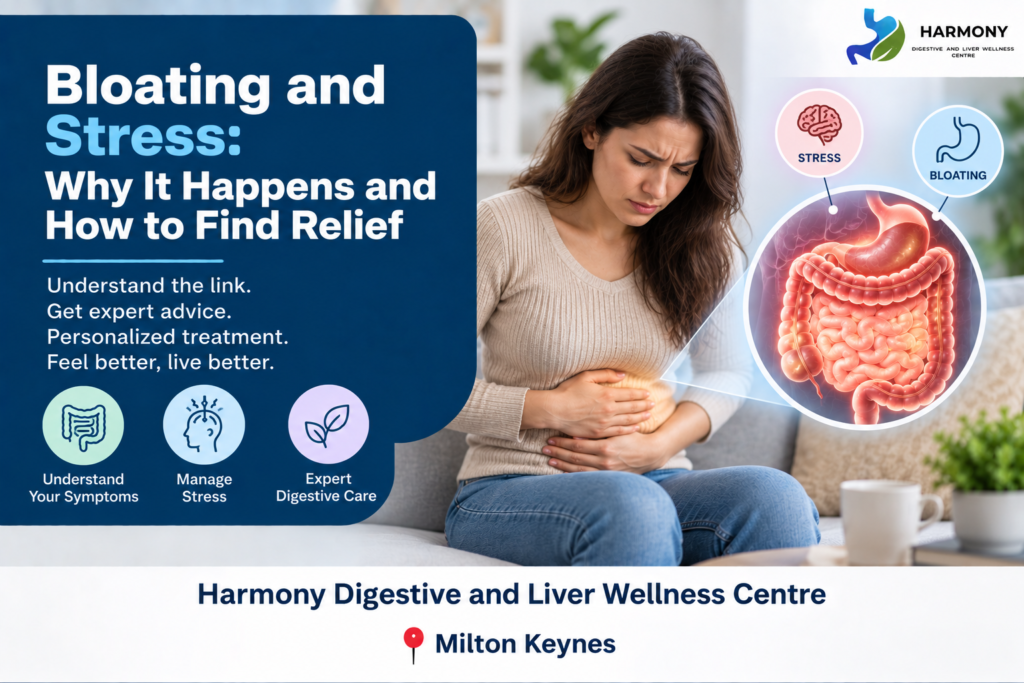
Why Your Stomach Reacts to Stress and What You Can Do About. Stress and digestive health Ever had “butterflies” in your stomach before a big presentation? Or a tummy ache when you’re feeling anxious or overwhelmed? Your brain and gut are closely connected. Stress can impact your digestion, trigger stomach issues, and even worsen conditions like IBS. At Harmony Gut and Liver, we regularly meet patients who say, “My tummy issues always get worse when I’m stressed.” Let’s understand why that happens, what you can do about it, and when to speak with a gut specialist near me. How Are Stress and the Gut Connected? Your gut has its own nervous system called the enteric nervous system called the “second brain.” It communicates constantly with your actual brain through the gut-brain axis. When you’re stressed, anxious, or emotionally overwhelmed, your brain sends signals to your gut. This can lead to symptoms such as: ● Bloating ● Cramps ● Gas ● Constipation or diarrhoea ● Appetite changes ● Nausea or acid reflux So stress really can upset your stomach. Stress Can Worsen IBS and Other Digestive Conditions People with conditions like Irritable Bowel Syndrome (IBS), acid reflux, or even ulcerative colitis see that their symptoms flare up during stress. That’s because stress can: ● Increase gut sensitivity ● Speed up or slow down bowel movements ● Cause muscle spasms in the intestines ● Affect the gut microbiome As an IBS specialist in Milton Keynes, we see patients whose gut symptoms improved a lot after addressing stress and anxiety along with dietary and lifestyle changes. Signs That Stress Is Affecting Your Gut Here are a signs that stress might be affecting your digestive system: ● You experience tummy troubles more during busy or emotional times ● You’ve noticed your bloating, gas, or cramps worsen during exams, job pressure, or travel ● You need to go to the toilet as soon as you’re anxious ● You don’t have any major dietary triggers, yet still have recurring gut symptoms If these sound familiar, it may be time to explore a private gut health consultation where your mental and digestive health can be looked at. What Is a Private Gut Health Consultation Like? During your consultation at Harmony Gut and Liver, we’ll: ● Take a detailed history of your symptoms ● Understand your triggers and lifestyle ● Perform any necessary tests (like stool tests, scans, or blood work) ● Rule out conditions like celiac disease, infections, or food intolerances Once we know about your symptoms, we can create a plan that might include diet changes, gut-calming supplements, therapy, and stress-relief strategies. What Can You Do to Calm Your Gut? Managing stress can make a huge difference. Here’s what we often recommend: 1. Practice Mindful Eating Slow down. Sit while eating. Chew your food properly. Avoid scrolling or rushing through meals. 2. Try Gentle Movement Activities like walking, yoga, or swimming help digestion and reduce stress hormones. Even 20 minutes a day can work wonders. 3. Deep Breathing and Relaxation Belly breathing, guided meditations, or progressive muscle relaxation help “reset” your nervous system and ease gut tension. 4. Keep a Food and Mood Diary Noticing patterns between stress, food, and symptoms helps us create better plans during your gut health consultation. 5. Seek Professional Help If symptoms continue, a bloating and gas relief specialist can check for underlying causes for better help. When Should You See a Gut Specialist? You don’t have to suffer through digestive distress silently. It’s time to see a gut specialist near me if: ● You have continuous bloating, cramps, or changes in bowel habits ● You’re unsure if it’s IBS, food intolerance, or something else ● You’re trying to “Google-diagnose” yourself ● You want a solution that looks at the mind and body connection Your Gut Doesn’t Have to Be a Stress Magnet Stress is part of life but chronic gut problems don’t have to be. With the right guidance, digestion can improve once stress is under control and gut is supported. At Harmony, our approach is holistic. You could be searching for an IBS specialist in Milton Keynes or need a private gut health consultation, we’re here to help. We combine medical testing, nutritional advice, and emotional wellbeing to help you understand your symptoms and take back control. Take the First Step Towards a Calmer Gut Ready to stop letting stress run your digestion? Book your consultation with a bloating and gas relief specialist at Harmony Gut and Liver today. Visit harmonygutandliver.com to book your gut health consultation or call to speak with our friendly team. Let your gut feel as calm as your mind deserves to be. To book a private liver consultation or second opinion, get in touch with us Had a great experience with us? We’d love to hear your thoughts! Click here to leave a Google review and share your feedback.
Understanding Gallstones Symptoms and Treatment Options
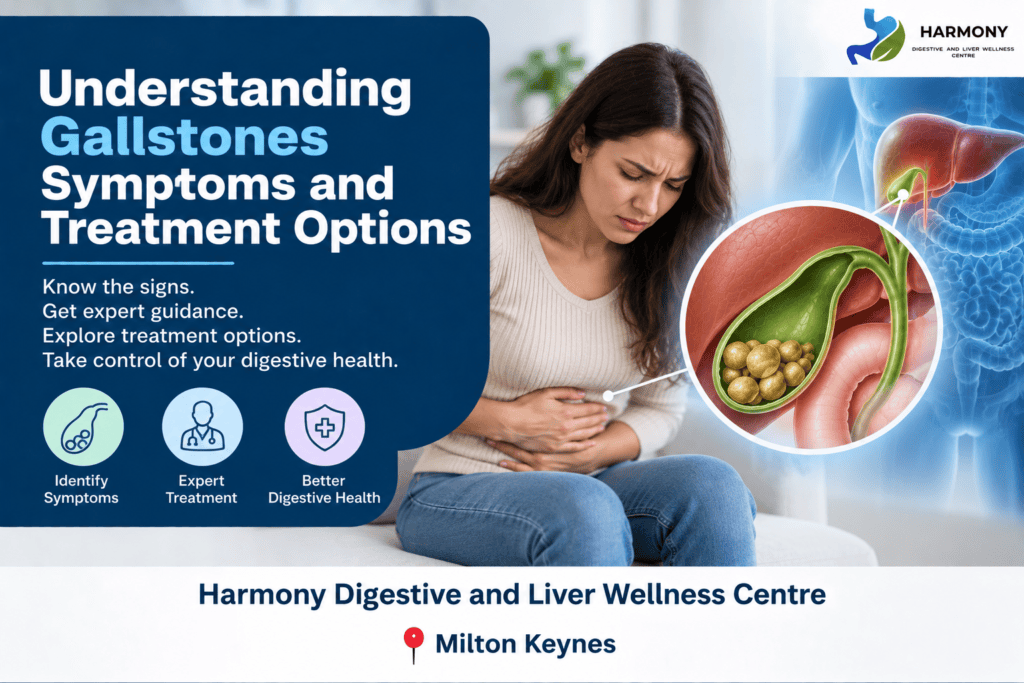
Sometimes, after having a meal, you feel a sharp pain in your upper right belly. Maybe it’s not the first time. You think of it as gas, indigestion or something more serious. If this pain keeps coming back, particularly after eating fatty foods, there’s a chance that it could be gallstone symptoms. As a gallstone pain specialist in Milton Keynes, we’ve seen many patients go through a lot of discomfort before getting clarity. This blog will help you understand what gallstones are, what gallstone symptoms to look for, how they are diagnosed, and when to take help. What Are Gallstones? The gallbladder is a small, pear shaped organ beneath the liver. Gallstones are small, solid lumps that form inside your gallbladder. The gallbladder stores bile, a digestive fluid that helps break down fats. Sometimes, this bile can harden into stones. These stones can be: Cholesterol stones (the most common type) Pigment stones (made from excess bilirubin) You may have just one stone, or several. Some people don’t have any symptoms—this is called “silent gallstones.” But for others, they can be painful and disturb daily life. What are the Gallstone Symptoms? Sometimes, people with gallstones don’t have any symptoms. But when gallstone symptoms occur, they can be unmistakable. Here are common signs: Sudden, sharp pain in the upper right or middle part of the belly (often after eating) Pain that may reach the right shoulder or back Nausea or vomiting Bloating or feeling too full after meals Pain that lasts from 30 minutes to several hours If you’ve had this kind of pain more than once, particularly after eating rich or fatty food, it’s time to consider a gallbladder issues consultation. When It Gets Serious: Complications of Gallstones In some cases, gallstones can cause complications by blocking the flow of bile. Watch out for these red flags: Fever with pain (a sign of infection) Yellowing of the skin or eyes (jaundice) Persistent vomiting Very dark urine or pale stools These may show a bile duct blockage, which can lead to infections like cholangitis or inflammation of the pancreas (pancreatitis). If you’re experiencing these symptoms, don’t delay. You may require urgent bile duct blockage treatment in Milton Keynes. How Are Gallstones Diagnosed? At Harmony Digestive and Liver Wellness Centre, we first listen to your symptoms and do a physical exam. If gallstones are suspected, the next step is an imaging scan. An accurate way to detect gallstones is through an ultrasound scan. We offer a private gallbladder scan in the UK with same-day appointments in Milton Keynes. This scan gives us a clear view of stones in your gallbladder or bile ducts. If more detail is needed, we might recommend: MRCP (Magnetic Resonance Cholangiopancreatography) – a special MRI to look at bile ducts Blood tests – to check for infection or inflammation Endoscopic Ultrasound (EUS) – a highly accurate scan from inside your digestive tract Treatment Options for Gallstones Not all gallstones need treatment. If they’re not causing symptoms, you may not need to do anything. But if they are, there are a few treatment routes: 1. Lifestyle and Dietary Changes If symptoms are mild, you might be able to manage them with a low-fat diet and smaller, more frequent meals. But this is usually a short-term solution. 2. Medications Certain medications can dissolve cholesterol stones, but this takes months or years, and the stones often come back. This is rarely a permanent solution. 3. Surgery Surgical removal of the gallbladder (cholecystectomy) is the most effective and commonly recommended treatment for symptomatic gallstones. It can be done laparoscopically (keyhole surgery), which means faster recovery. If your gallstones are causing bile duct blockage, an ERCP (Endoscopic Retrograde Cholangiopancreatography) might be needed to remove the stone from the duct. What to Expect During a Consultation At Harmony Digestive and Liver Wellness Centre, our approach is always patient-first. During your gallbladder issues consultation, we’ll discuss: Your symptoms and health history Whether immediate tests are needed Your scan or blood test results (often on the same day) A clear treatment plan that suits your lifestyle Why Choose Harmony for Gallbladder and Bile Duct Care? If you’re looking for expert, fast, and friendly care without long NHS wait times, we’re here to help. Harmony Digestive and Liver Wellness Centre is one of the few clinics offering: Same-day private gallbladder scans in the UK Detailed bile duct evaluation and management Integrated care with radiologists and surgical teams Quick appointments for those in and around Milton Keynes Final Thoughts Gallstones are common but shouldn’t be ignored. If you’ve been having upper belly pain, digestive discomfort, or symptoms that just don’t feel right, it might be time to get checked. At Harmony Digestive and Liver Wellness Centre, our team offers care from diagnosis to treatment. Looking for a gallstone pain specialist in Milton Keynes or need help navigating bile duct blockage treatment? We’re here to support you every step of the way. Book a consultation or screening today: Click Here. To book a private liver consultation or second opinion, Get in touch with us. Had a great experience with us? We’d love to hear your thoughts! Click here to leave a Google review.
Endoscopic Retrograde Cholangiopancreatography (ERCP): What It Is and Why You May Need It
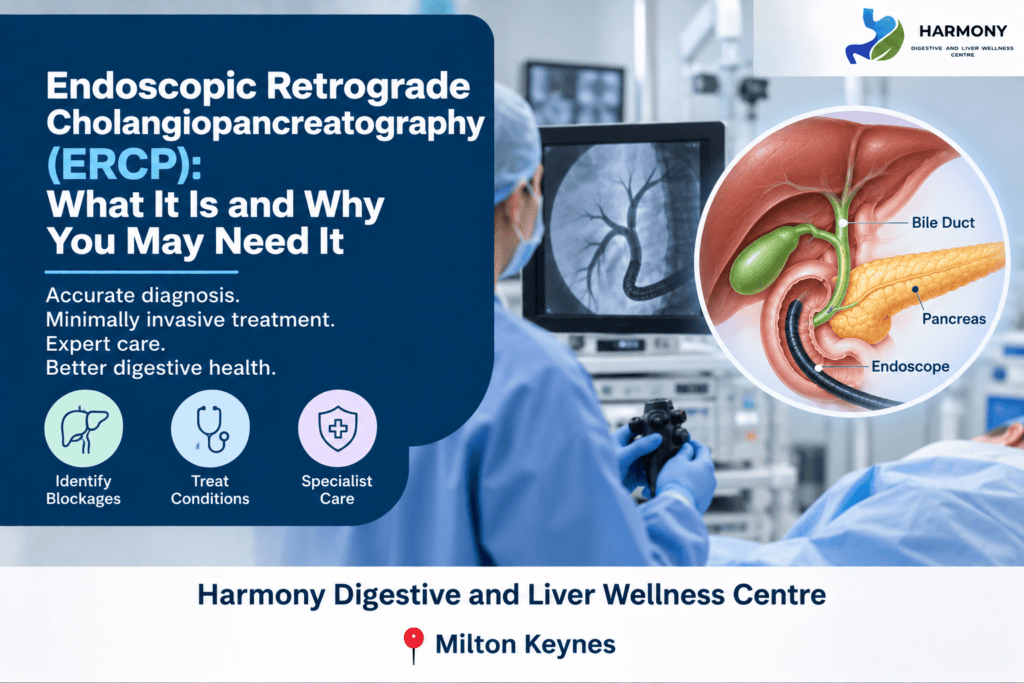
You might have been told that you need a test called ERCP? You might be thinking: Private ERCP Milton Keynes What does it mean? Will it hurt? Is it something serious? Why do I need it? At Harmony Digestive and Liver Wellness Centre, we meet many patients with these questions. This blog will help you understand what ERCP is, how it works, and why it’s important for people with bile duct stone treatment, pancreatic issues, or unexplained symptoms like pain or jaundice. We are proud to offer private ERCP in Milton Keynes—we’re the only centre outside London providing this service with experienced consultant gastroenterologist. What Is ERCP? ERCP stands for Endoscopic Retrograde Cholangiopancreatography. Yes, it’s a big name! But let’s break it down into small steps.ERCP is a test that helps doctors look at two parts of your body: The bile ducts that carry bile from the liver to the small intestine. The pancreatic ducts, which carry digestive juices from the pancreas. Sometimes, these tubes get blocked, narrowed, or infected. A person might have: Gallstones stuck in the bile duct Pancreatic stones Inflammation (like pancreatitis) A possible tumour or cancer Yellow skin or eyes (a symptom called jaundice) With ERCP, doctors can see inside the ducts, take biopsies (tiny samples), or even fix problems—like removing a stone or placing a small plastic tube (called a stent) to keep things open. What Happens Before the Test? If your doctor thinks you need an ERCP, they will explain why and you will need to visit the clinic. Before the test: ● You don’t eat or drink for about 6 hours before the procedure.● You tell your doctor about any medications, allergies, or if you are on blood thinners or have diabetes.● If you are taking blood thinners, you may need to pause them safely—your doctor will guide you.● You might also get a blood test to check how well your liver is working. Our team will answer any questions that you have before your appointment. What Happens During the ERCP? The ERCP is done by a consultant gastroenterologist. You will be given a sedative to make you feel sleepy and relaxed. You won’t be fully asleep but you’ll be calm and comfortable. Here’s what the doctor does during the process: 1. Passes a thin, flexible tube called an endoscope through your mouth, down your throat, into your stomach and small intestine.2. Finds the small opening where the bile and pancreatic ducts meet.3. Passes a tiny tube into the ducts.4. Injects a special dye and takes X-rays to see what’s going on.5. If needed, removes a stone, places a stent, or takes a small sample (biopsy) for testing. The whole procedure takes about 30 to 60 minutes. Will It Hurt? During the ERCP most people feel relaxed due to sedation and don’t feel any pain. You may feel a bit bloated after the procedure as air is used during the test. Some people can feel sleepy or groggy later on. Very rarely, complications can happen like: ● Mild sore throat● Pancreatitis (inflammation of the pancreas)● Infection or bleeding These are uncommon, and our team keeps a check to keep you safe. What Happens After the Test? After your ERCP: ● You’ll rest in a recovery area for a few hours.● You can go home the same day unless your doctor says otherwise.● You can’t drive after sedation, so bring someone with you.● You may eat and drink once you feel ready, unless your doctor advises otherwise. If a biopsy was taken, the results usually come back within a few days. Your doctor will explain everything clearly. Why Choose Harmony for ERCP? At Harmony Digestive and Liver Wellness Centre, we are proud to offer private ERCP in Milton Keynes—so you don’t have to travel far to get expert care. Here’s why patients trust us: ● We are the only local centre offering private ERCP outside London.● Our team has experienced consultant gastroenterologists.● We provide quick appointments, gentle care, and follow-up as well.● You can book without needing a GP referral. We also work with radiologists and liver specialists to create a plan just for you. It could be a bile duct stone or a suspected pancreatic tumour, our team is skilled in bile duct stone treatment in Milton Keynes and pancreatic cancer diagnosis in Milton Keynes.stone, a suspected tumour, or a mystery symptom and we’re here to help. Final Thoughts Being told you need an ERCP can sound scary. But the test is safe, helpful, and often the best way to find answers and fix problems early. Most people go home the same day and feel fine afterward. If you’re looking for expert digestive care, or need a second opinion, we’re here for you. Book a consultation or screening today: Click Here. To book a private liver consultation or second opinion, Get in touch with us. Had a great experience with us? We’d love to hear your thoughts! Click here to leave a Google review.
Private Endoscopic Ultrasound in Milton Keynes – Discover the Procedure, Prep and Aftercare
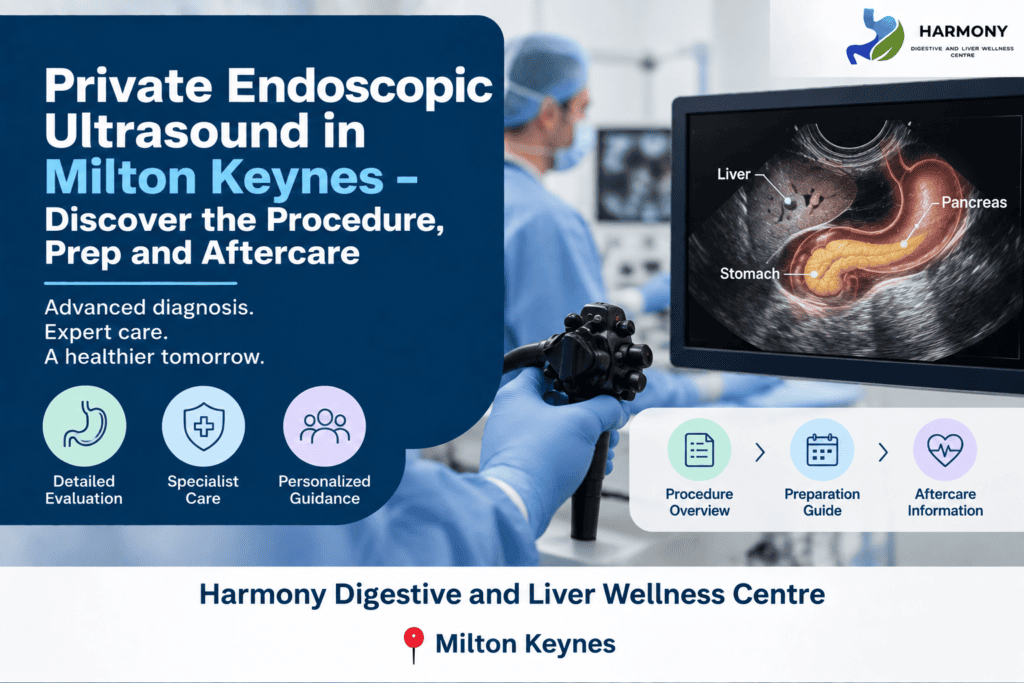
Undergoing an Endoscopic Ultrasound (EUS) is one of the most advanced tools for diagnosing issues with pancreas, biliary system and upper GI tract. It might sound daunting as well but at Harmony Digestive and Liver Wellness Centre, we guide you step by step for the entire process. We are proud to offer Private Endoscopic Ultrasound in Milton Keynes. This post will walk you through what to expect before, during, and after your procedure. What Is EUS and How It Works? Endoscopic Ultrasound uses two technologies: Endoscopy – A thin, flexible tube with a light and camera travels through your mouth into your stomach till the start of your small intestine. Ultrasound – A tiny ultrasound device at the end of the scope sends sound waves to create live pictures of your organs from the inside. This technique provides much sharper images than standard external scans and is perfect for evaluating the pancreas, gallbladder, liver, and more. Looking for endoscopy services near me? EUS is one of the most advanced forms and is now available privately at Harmony. Who Should Consider an EUS? EUS should be considered by individuals who are experiencing: Sudden or unexplained upper abdominal pain Suspected pancreas or bile duct conditions Trouble in swallowing or continuous reflux Unusual findings on prior scans or blood tests It’s also helpful for understanding unexplained weight loss or early signs of digestive cancers. How to Prepare Here’s what you’ll need to do before the procedure: Fasting – Don’t consume food or drinks for at least 6–8 hours Medication adjustments – Our team will guide you if you’re on blood thinners or diabetes medications Transport – Arrange a ride if you opt for sedation Paperwork – Bring ID and relevant documents Good preparation makes sure that you have a smooth and safe procedure. Sedated or Non-Sedated: You Choose We offer both sedated and non-sedated endoscopy options depending on your comfort: Sedated: If you choose sedation, you’ll be relaxed and likely won’t remember much of the procedure. This is usually chosen by the patients to be at ease. Non-Sedated Endoscopy: If you prefer to stay fully alert, we also offer a non-sedated approach. This method is also gentle with low-discomfort and is also a safe and increasingly popular option. You recover faster and can usually return to your normal activities the same day. What to Expect During the Procedure We numb your throat with a mild spray. A mouthguard is used for protection. The endoscope is gently guided through your mouth into your stomach. The ultrasound captures detailed images of your organs. If needed, small samples (biopsies) can be taken without pain. The procedure typically lasts 30–45 minutes. Aftercare Tips If sedated: Rest for a few hours after the procedure and avoid driving for 24 hours Mild throat soreness can be expected Most patients feel back to normal by the next day If non-sedated: You may leave shortly after the scan Resume light activities the same day If you have any discomfort, it fades quickly Why Choose Harmony? We’re one of the most advanced clinics offering Private Endoscopic Ultrasound in Milton Keynes. With us you can expect: No long NHS wait times, get seen and scanned quickly Expert digestive health specialists and consultants Sedated and non-sedated options according to your requirements A friendly, supportive atmosphere for even the most anxious patients So, if you’re Googling endoscopy services near me, know that advanced care is right here in Milton Keynes, no need to travel far. When Is EUS Recommended? EUS is recommended to patients for: Investigating abnormalities in pancreas, liver, or bile ducts Clarifying findings from CT or MRI scans Diagnosing early-stage digestive tract cancers Evaluating chronic symptoms that haven’t responded to treatment Final Thoughts Digestive health concerns can be stressful but getting clear answers shouldn’t be. With private endoscopic ultrasound in Milton Keynes now available locally, you can access accurate diagnostics, personalised advice, and peace of mind without the wait. Book a consultation or screening today: Click Here. To book an endoscopic ultrasound or second opinion, Get in touch with us. Had a great experience with us? We’d love to hear your thoughts! Click here to leave a Google review.
The Role of Gut Microbiota in Digestive Wellness
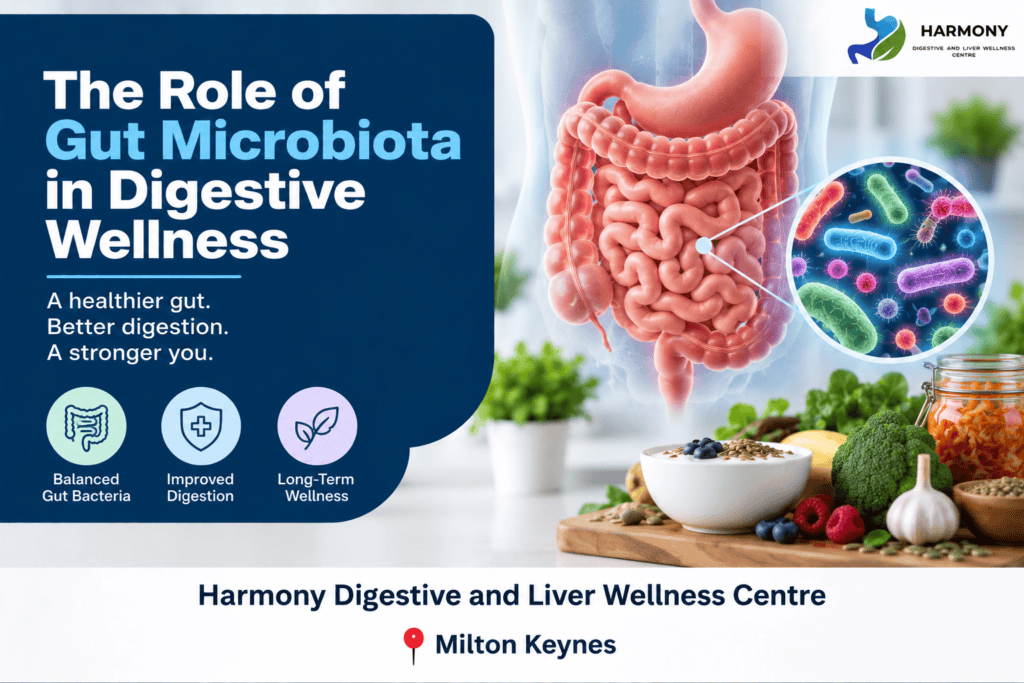
You’ve probably heard people say, “Listen to your gut.” But did you know your gut is actually talking to you through your digestion, mood, immunity, and energy levels? Gut microbiota is basically an entire community of microbes like bacteria, viruses, fungi that live in your digestive system. And they play an important role in keeping your gut healthy and help in smooth functioning of the gut. At Harmony Digestive and Liver Wellness Centre, we meet patients who struggle with ongoing digestive issues like bloating, gas, discomfort. And they don’t know how important their gut microbes are. This blog aims to break down what the microbiota is, why it matters, and how you can support it for better digestion. What Exactly Is Gut Microbiota? Your gut microbiota is like a city of trillions of microorganisms, living mainly in your large intestine. They help you digest food, make vitamins, fight off harmful bacteria, and regulate inflammation. Everyone’s gut is different. It is shaped by things like birth, diet, lifestyle, antibiotics, stress, and illness. When your gut microbiota is balanced, your digestion is good. You are able to absorb nutrients well and your immune system is strong. But when it’s out of balance, then problems like bloating, constipation, diarrhoea, and food intolerances start. This is called dysbiosis. How Does It Impact Your Digestion? Imagine you’re eating a nice bowl of lentils or some yoghurt with fruit. Your gut microbes are the ones breaking down fibres, producing gases (both the good and the stinky kinds), and creating short-chain fatty acids (SCFAs) that help your colon stay healthy. But if there’s an overgrowth of harmful bacteria, your gut may: Produce excess gas and lead to bloating Trigger unpredictable bowel movements Cause inflammation that leads to cramps or fatigue Make it harder to digest certain foods If you constantly feel bloated no matter what you eat, it’s worth talking to a bloating and gas relief specialist to dig deeper. The Gut Microbiota and IBS Imbalance in gut microbiota is one of the common causes of Irritable Bowel Syndrome (IBS). In fact, recent studies show that people with IBS often have less microbial diversity in their gut and more “troublemaker” bacteria. As an IBS specialist in Milton Keynes, we’ve seen how changing the microbiota through diet changes, probiotics, and even low FODMAP approaches can significantly bloating, urgency, diarrhoea, and stomach pain. And it’s not just about popping a probiotic and calling it a day. It’s about creating an environment in your gut that supports long-term microbial balance. Signs Your Microbiota Might Be Struggling Gut microbiota problems sometimes show up through subtle symptoms that you might have been ignoring: Feeling bloated after most meals Sudden food intolerances Chronic constipation or diarrhoea Low energy, brain fog, or poor sleep Skin flare-ups, as your gut can affect your skin as well If any of this sounds familiar, a private gastro doctor near you can help you run gut health tests and figure out whether your microbiota needs support. How to Support Your Gut Microbiota Naturally Thankfully, your gut is quite responsive to small changes. Here’s how to keep your microbiota thriving: Eat More FibreFibre is the fuel source for your good bacteria. Beans, oats, flaxseeds, berries, apples—they all help feed your gut. Avoid Ultra-Processed FoodsDiets high in refined sugars and additives promote harmful bacteria. Whole foods are always the safer bet. Embrace Fermented FoodsYoghurt, kefir, kimchi, and sauerkraut introduce healthy bacteria into your gut. Consider a Probiotic (But Wisely)Not all probiotics are created equal. Choose one backed by clinical research or get a personalised recommendation from a specialist. Manage StressYour gut and brain are deeply connected. Chronic stress can trigger inflammation and disrupt your microbial balance. Be Smart With AntibioticsAntibiotics can wipe out both good and bad bacteria. Use only when needed, and always follow up with microbial support. When Should You See a Specialist? While bloating and mild tummy troubles are common, they shouldn’t be constant. If you’ve tried changing your diet and lifestyle and still feel off, it’s time to get professional input. At Harmony Digestive & Liver Wellness Centre, we offer consultations to assess your gut health, microbiota balance, and possible underlying conditions like IBS or SIBO. You may be looking for a bloating and gas relief specialist, an IBS specialist in Milton Keynes, or just a private gastro doctor near you who listens and we’re here to help. Final Thoughts: Your Gut Microbiota Is Worth Nurturing Your gut microbiota when cared for, results in better digestion, clearer skin, sharper focus, and improved immunity. When neglected, it can cause issues. The good news? With a few mindful changes and the right guidance you can bring your gut back into balance. If you’re wondering what your symptoms really mean, or if you need personalised advice from a gastrointestinal specialist near me, don’t wait. Your gut has been trying to tell you something. Maybe it’s time to listen. Book a consultation or screening today: Click Here. To book a private liver consultation or second opinion, Get in touch with us. Had a great experience with us? We’d love to hear your thoughts! Click here to leave a Google review. To book a private liver consultation or second opinion, get in touch with us Had a great experience with us? We’d love to hear your thoughts! Click here to leave a Google review and share your feedback.
Fatty Liver Disease – What It Means and What You Can Do About It
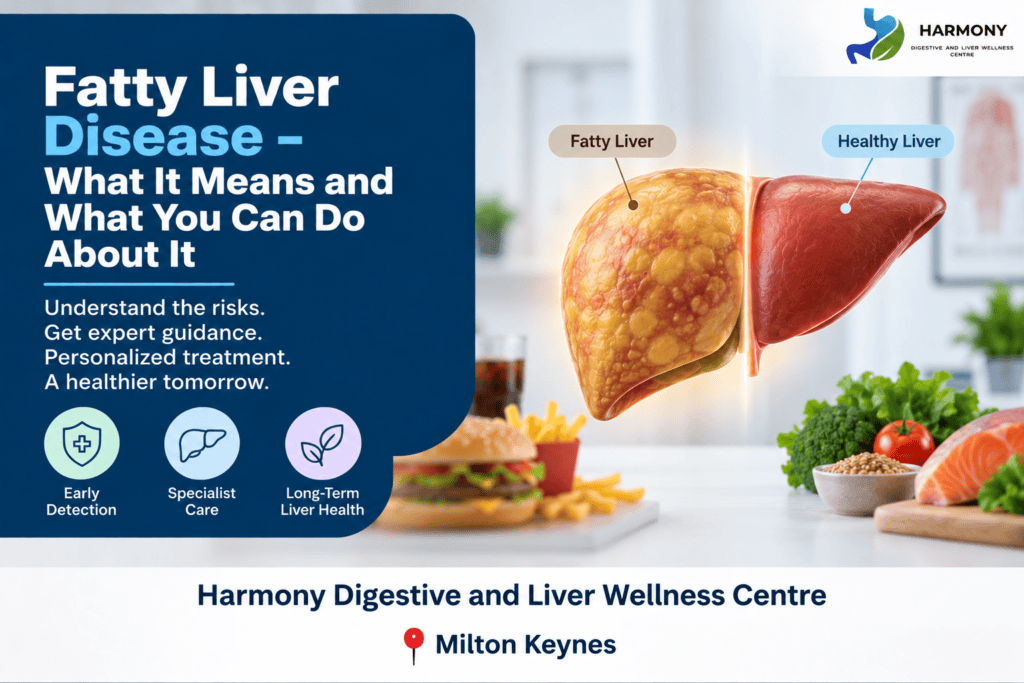
By Dr. Arjun Prakash | Consultant Gastroenterologist Harmony Digestive & Liver Wellness Centre – Milton Keynes Being told you have a fatty liver disease often comes as a surprise. You may feel perfectly fine, and yet your scan or blood test shows that your liver has started storing excess fat. Understandably, you may wonder: Is this serious? Do I need to do something? Can I still have a drink occasionally? As a fatty liver specialist at Harmony Digestive and Liver Wellness Centre , I see many patients in this situation. This guide is designed to give you clear, scientifically accurate answers, debunk myths, and offer practical steps to protect your liver. What is Fatty Liver Disease? Fatty liver disease (also called hepatic steatosis) happens when fat builds up in the liver cells. It affects around 1 in 3 adults in the UK, and most people have no symptoms. There are two broad types: Non-Alcoholic Fatty Liver Disease (NAFLD) – not caused by alcohol, linked to insulin resistance and metabolic health. Alcohol-Related Liver Disease (ARLD) – caused by long-term alcohol use. NAFLD is now the leading cause of abnormal liver function in the UK and is increasingly seen in young adults and even teenagers. Myth: Only overweight people get fatty liver This is a common misconception. While excess body fat increases the risk, fatty liver can occur in people with a normal BMI—a condition known as lean NAFLD. Factors like: Type 2 diabetes High cholesterol or triglycerides PCOS Genetics Sedentary lifestyle can all contribute, regardless of your weight. At Harmony Digestive and Liver Wellness Centre, we routinely see slim individuals with fatty liver who feel blindsided by the diagnosis. “I’ve been told I just have fatty liver. Should I worry?” “Just fatty liver” is misleading. While early-stage fatty liver is often harmless, in some people it progresses to more serious forms: NASH (Non-Alcoholic Steatohepatitis) – liver inflammation and injury Fibrosis – scarring of the liver Cirrhosis – advanced, permanent liver damage Liver cancer The key? Early detection and lifestyle changes. With the right support, fatty liver is reversible in most cases. If you’ve been told you have fatty liver, a private liver consultation can help assess your risk of progression and guide a personalised care plan. Is it safe to drink alcohol with fatty liver? Even small amounts of alcohol may increase the risk of liver damage, especially in people with NAFLD. While occasional drinking may be tolerated in some, there’s no one-size-fits-all answer. The safest advice is: Avoid alcohol if you have inflammation or fibrosis If permitted by your doctor, stick to less than 14 units/week spread across multiple days Be honest about your intake—many underestimate it If you’re unsure, consider a consultation with a liver specialist to understand what’s safe for you. Do fad diets or keto help with fatty liver? Rapid weight-loss diets may promise big results, but they can do more harm than good—especially for your liver. Sudden calorie restriction, unbalanced macronutrients, and “detox cleanses” may: Worsen liver inflammation Cause gallstones Lead to muscle loss Be difficult to sustain Evidence supports a Mediterranean-style diet: rich in whole grains, legumes, oily fish, olive oil, and vegetables. This approach improves insulin sensitivity and liver fat without the risks of crash dieting. How much exercise is enough for fatty liver? You don’t have to become a marathon runner—but physical activity is one of the most effective treatments for fatty liver disease. Recommended: 150–300 minutes per week of moderate aerobic activity (e.g. brisk walking, cycling) Plus 2 strength sessions (e.g. weights, resistance bands) What’s remarkable is that even without weight loss, exercise can reduce liver fat, improve insulin resistance, and slow disease progression. Too much intense exercise without proper nutrition, however, may cause fatigue or worsen muscle loss. Aim for a balanced, consistent routine. What can you do right now? Fatty liver isn’t something to panic about—but it’s not something to ignore either. The earlier you act, the better the outcomes. DO vs AVOID Eat a fibre-rich, balanced diet – Avoid high-sugar, ultra-processed foods Exercise regularly – Avoid long periods of inactivity Moderate or avoid alcohol – Don’t assume “a bit” won’t matter Get regular check-ups – Don’t rely on guesswork or online fixes Consider a liver scan or FibroScan – Don’t ignore elevated liver enzymes Final word Fatty liver disease is common, silent—but often reversible. You don’t need to follow fads or extremes. With the right information, support, and small lifestyle changes, your liver can heal. At Harmony Digestive and Liver Wellness Centre in Milton Keynes, we offer: Detailed liver assessments FibroScan and ultrasound Personalised advice from liver and digestive health specialists Ongoing support tailored to your lifestyle Located in Milton Keynes, we welcome patients from across Buckinghamshire, Bedfordshire, and surrounding areas. Book a consultation or screening today: Click Here. To book a private gut or liver consultation: Get in touch with us. Had a great experience with us? We’d love to hear your thoughts! Click here to leave a Google review.