01
Consultations
New, second-opinion and review appointments with a named consultant gastroenterologist.
ExploreConsultant-led digestive and liver care within Vitalscan at 100 Avebury Boulevard, with thoughtful consultations, focused diagnostics and clear treatment plans.
Start with a service below, or choose a symptom first if you are not sure which pathway is right for you.
New, second-opinion and review appointments with a named consultant gastroenterologist.
ExploreTargeted blood and stool investigations, including anaemia, bloating and liver health panels.
ExploreSIBO hydrogen/methane testing, H. pylori breath testing and gut methane assessment.
ExploreGastroscopy from £995, plus procedure information for sigmoidoscopy, colonoscopy, ERCP and EUS.
ExploreA liver stiffness scan using transient elastography, often searched as a FibroScan-style liver test.
ExploreComprehensive at-home stool test mapping the gut microbiome and key microbial pathways for personalised gut-health insights.
ExploreSignature liver pathway
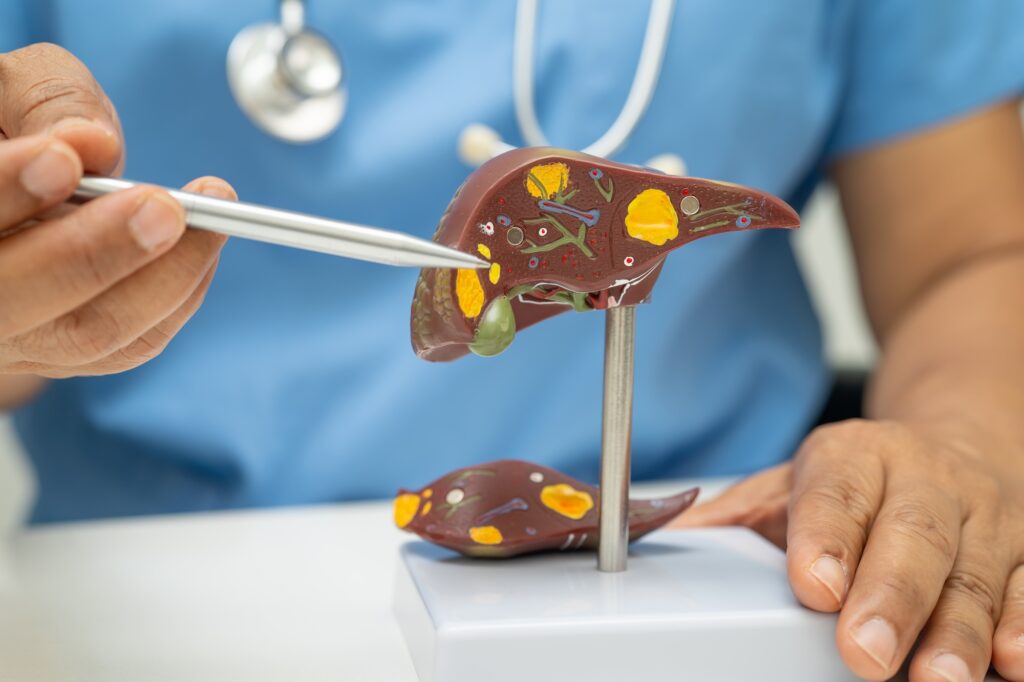
A non-invasive liver stiffness scan for people with fatty liver, abnormal liver blood tests, metabolic risk factors or known liver disease. The clinical test is transient elastography; many patients search for this type of assessment as a FibroScan-style liver test.
Named consultant oversight for digestive symptoms, liver health, breath testing and endoscopy pathways.
“I was feeling very stressed at the time, but Dr. Arjun quickly put me at ease. He thoroughly explained every possible outcome and clearly outlined the next steps based on my initial test results.”
“I felt completely at ease with the Dr I saw today. He explained everything to me, about the changes I need to make. Also, what further steps he will be taking regarding my health.”
“I had an excellent experience with Dr Gupta. He was thorough, professional, and took his time to explain everything clearly. He made me feel comfortable and safe during my first appointment.”
“Dr Gupta was warm and welcoming, listened (really listened) to my concerns, asked the right questions and took the time to explain a clear plan. One of the best consultants I have ever seen.”
Harmony is based within Vitalscan at 100 Avebury Boulevard, Milton Keynes, MK9 1FH — a central location for private digestive and liver care, consultations, blood tests, breath tests, liver stiffness assessment and endoscopy pathways.
 Vitalscan
At Harmony, we provide expert digestive and liver care with access to specialist consultations, focused diagnostics and bespoke treatment plans.
Whether you’re self-referring or insured, our patient-first approach is designed to make care feel clear, personal and coordinated. Harmony is located within Vitalscan, a CQC-registered facility in central Milton Keynes.
Appointments with a named consultant, with a clear plan for investigation and treatment.
Blood tests, stool tests, breath tests, liver stiffness assessment, imaging and endoscopy pathways where clinically appropriate.
The aim is not simply a test result, but an explanation, recommendations and follow-up where needed.
Ms Manisha Parekh supports appointment coordination, patient communication and the administrative pathway for Harmony patients.
Choose a likely route: consultation, breath testing, lab packages, liver assessment or procedure information.
May be assessed with consultation, SIBO testing, gut methane assessment or a comprehensive bloating package.
Often starts with a consultation and treatment review. Gastroscopy may be useful when symptoms persist or warning features are present.
The right route depends on the pain pattern, blood tests, stool tests, ultrasound or MRI/MRCP needs.
A consultation helps decide whether stool tests, flexible sigmoidoscopy or colonoscopy is most appropriate.
A liver health pathway may include blood tests, imaging and liver stiffness assessment.
A structured anaemia evaluation, stool tests and endoscopy discussion may be appropriate depending on your clinical history.
All procedures have individual pages. Pricing is shown only where currently appropriate online.
Examines the food pipe, stomach and duodenum. Used for reflux, indigestion, nausea or swallowing symptoms.
From £995Read moreLooks at the rectum and lower bowel. Useful for rectal bleeding and selected bowel changes.
Read moreAssesses the whole large bowel. Often used for bowel habit change, bleeding, anaemia, polyps or IBD monitoring.
Read moreA specialist procedure for selected bile duct and pancreatic conditions, arranged after consultant assessment.
Read moreCombines endoscopy and ultrasound for detailed views of the pancreas, bile ducts and surrounding structures.
Read morePrivate upper endoscopy for reflux, indigestion, swallowing difficulty and upper digestive symptoms.
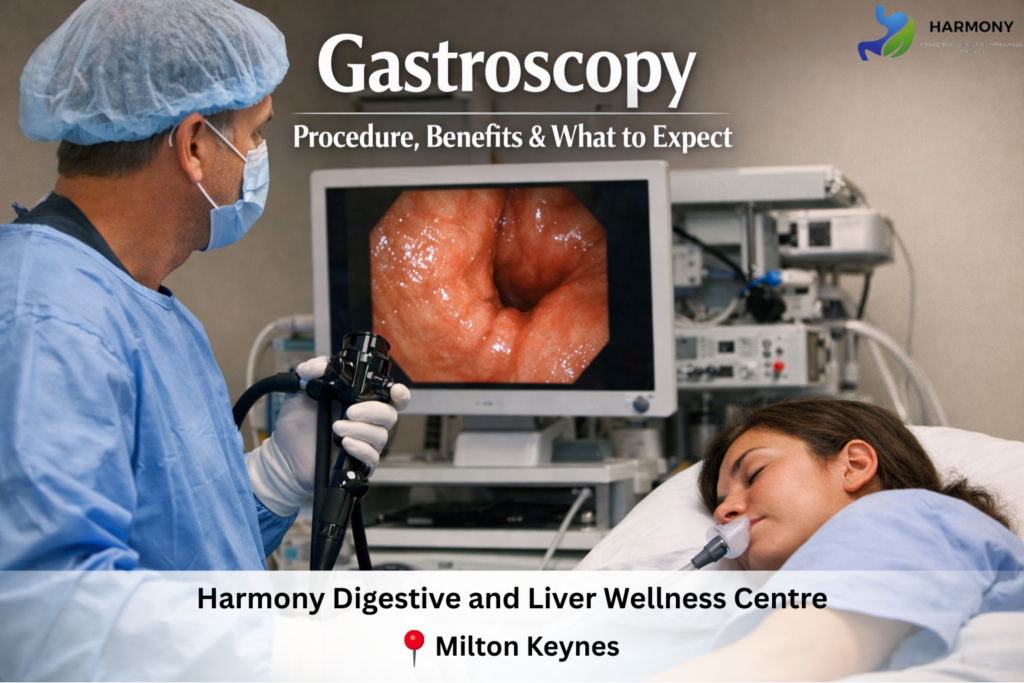
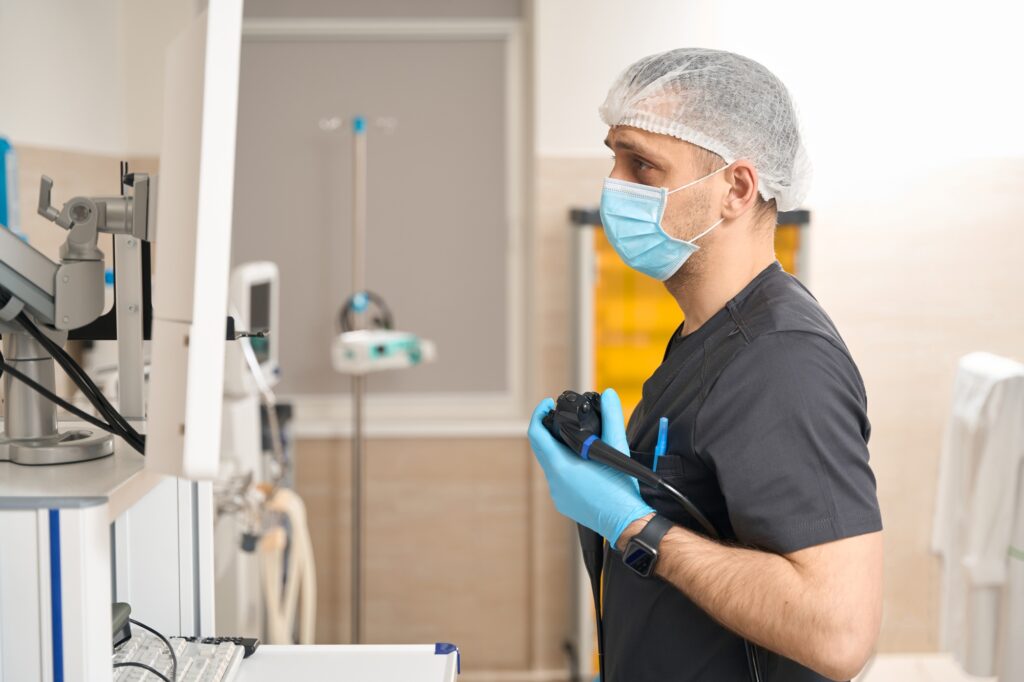
Gastroscopy, also called upper endoscopy, uses a thin flexible camera to examine the oesophagus, stomach and first part of the small bowel. It can help diagnose, and sometimes treat, conditions affecting the upper digestive tract.
In selected cases, gastroscopy can be offered during a clinic appointment without sedative. A numbing throat spray is used to help tolerate the passage of the scope; the procedure itself usually takes around 7–10 minutes.
You will usually need to fast for at least six hours. If you have diabetes or take blood-thinning medication, individual instructions will be given. Patients taking medicines such as Ozempic, Wegovy, Mounjaro, Zepbound or Saxenda should let the team know in advance.
The endoscopy findings are reviewed with you and you receive a report and treatment plan. With your consent, a copy can be sent to your GP. Biopsy results are communicated when the pathology report is available.
Gastroscopy is commonly performed and serious complications are rare. Possible risks include sore throat, bloating, bleeding after biopsy, perforation and sedation-related reaction if sedation is used.
Focused lower bowel examination for rectal bleeding, lower bowel symptoms and selected bowel changes.
Flexible sigmoidoscopy examines the rectum and sigmoid colon using a thin flexible camera. It is a focused test for the lower part of the large bowel.
An enema is used to clear the lower part of the bowel. You will receive instructions on when and how to use it, and whether any food or drink restrictions apply before the appointment.
Some medicines may need temporary adjustment, especially diabetes medication and blood thinners. Blood pressure medication is usually taken as normal unless advised otherwise.
Most people can go home the same day. You may feel mild cramping or bloating, which usually settles quickly. Biopsy results, if taken, are communicated when available.
Flexible sigmoidoscopy is generally safe. Rare risks include bleeding, perforation and a reaction to any sedative if used. Risks and alternatives are discussed before the procedure.
Large bowel examination for bowel habit change, rectal bleeding, anaemia, polyps and IBD monitoring.
Colonoscopy allows a specialist to examine the inside of the large bowel using a long, thin, flexible camera. It is an important test for lower digestive symptoms and bowel health assessment.
Good bowel preparation is essential. This usually involves a low-fibre diet for a few days and a bowel preparation medicine to empty the colon. Full written instructions are provided.
A colonoscopy usually takes around 20–30 minutes. The camera sends live images to a screen so the doctor can inspect the bowel lining. Biopsies can be taken and polyps may be removed where appropriate.
You rest after the procedure and receive aftercare instructions. A preliminary result may be available the same day; biopsy or polyp results usually take longer and are reviewed with recommendations.
Possible risks include cramping, bloating, bleeding after biopsy or polyp removal, perforation and reaction to sedative if used. Your individual risk is explained before the procedure.
Endoscopic Retrograde Cholangiopancreatography, or ERCP, is a highly specialised procedure used to diagnose and treat conditions affecting the bile ducts and pancreas.
A clinic consultation is required to confirm the indication, review risks and plan the procedure safely. You will be asked to fast and may need to adjust blood-thinning medication.
A flexible endoscope is passed through the mouth into the first part of the small bowel. X-ray guidance and contrast dye are used to identify narrowing, stones or blockages. Treatment can sometimes be performed during the same session.
You are monitored after the procedure. Most patients go home the same day, with an escort. Written aftercare instructions and follow-up arrangements are provided.
Risks include pancreatitis, bleeding, infection, perforation and reaction to contrast or sedative. These are discussed in detail before ERCP.
Advanced endoscopy and ultrasound imaging for pancreas, bile duct and surrounding structures.
Endoscopic ultrasound, or EUS, combines endoscopy and ultrasound to produce high-resolution images of the digestive tract and nearby organs.
A flexible endoscope with a small ultrasound probe is passed through the mouth into the oesophagus, stomach and duodenum. The ultrasound allows detailed views of surrounding structures.
You will usually fast before the procedure. Diabetes and blood-thinning medicines must be discussed in advance so individual instructions can be provided.
Your consultant explains the findings and any next steps. If a fine-needle biopsy is performed, pathology results are communicated when available.
Risks are uncommon but may include sore throat, bleeding, infection, perforation or reaction to sedative if used. Your consultant will discuss the risks relevant to your case.
SIBO, H. pylori and gut methane assessment, interpreted within a specialist gastroenterology pathway.
Breath tests can help investigate bloating, excessive gas, abdominal pain, diarrhoea, constipation and IBS-type symptoms when SIBO or H. pylori may be part of the picture.
The result is most useful when interpreted alongside your symptoms, medication history and wider clinical context.
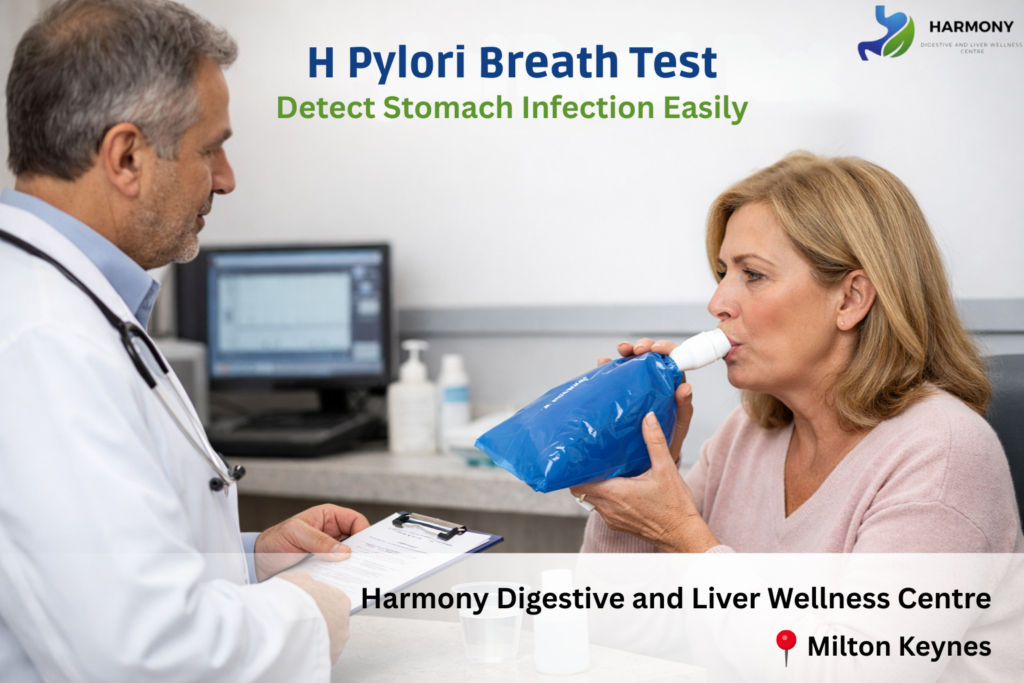
Non-invasive assessment for Helicobacter pylori.
Breath analysis to assess methane patterns linked with gut motility and constipation-predominant symptoms.
Hydrogen and methane breath test for suspected small intestinal bacterial overgrowth.
This at-home stool test analyses your gut microbiome and assesses approximately 20 microbiome pathways — the key bacterial functions that influence digestion, inflammation, energy and overall gut health. The results help identify which foods and lifestyle changes are most likely to improve your gut balance.
The assessment uses metagenomic next-generation sequencing (mNGS) to provide a comprehensive view of your microbiome — significantly more detailed than traditional stool tests, which typically focus only on detecting infections. Each pathway is compared against a reference range from a cohort of healthy adults, producing evidence-graded, actionable insights.
People with ongoing digestive symptoms — bloating, abdominal pain, constipation, gas, irregular bowel habits — or food intolerances and unexplained gut issues where standard tests have not produced clear answers.
You collect a small stool sample at home using a simple kit and post it to an accredited laboratory. Results return as a personalised report, which your consultant reviews with you to plan next steps.
Pathway findings are interpreted alongside your symptoms, history and any other relevant tests. They guide targeted dietary changes, fibre and prebiotic strategy, and lifestyle adjustments aimed at improving gut balance over time.
Around 20 microbiome pathways and markers are assessed across the following areas:
Each insight is supported by peer-reviewed scientific evidence and graded for clinical confidence, so your consultant can prioritise the changes most likely to help you.
Routine stool tests typically look for a small number of pathogens or markers. This microbiome assessment uses metagenomic sequencing to give a comprehensive view of the bacteria present and their functional pathways — far more detail than infection-focused tests.
The assessment is not a diagnostic test for a single disease. It maps your microbiome and identifies imbalances or pathway disruptions which, alongside your symptoms and history, help guide a personalised plan.
No. The at-home kit is straightforward and non-invasive, with clear step-by-step instructions. You simply post the sample back to the laboratory.
Results are typically returned within a few weeks of the laboratory receiving your sample. Your consultant will review them with you and outline practical next steps.
Targeted dietary changes — guided by your specific microbiome findings — can meaningfully shift gut balance over weeks to months. Generic dietary advice is far less effective than recommendations tailored to your results.
A patient-friendly liver stiffness scan using transient elastography.
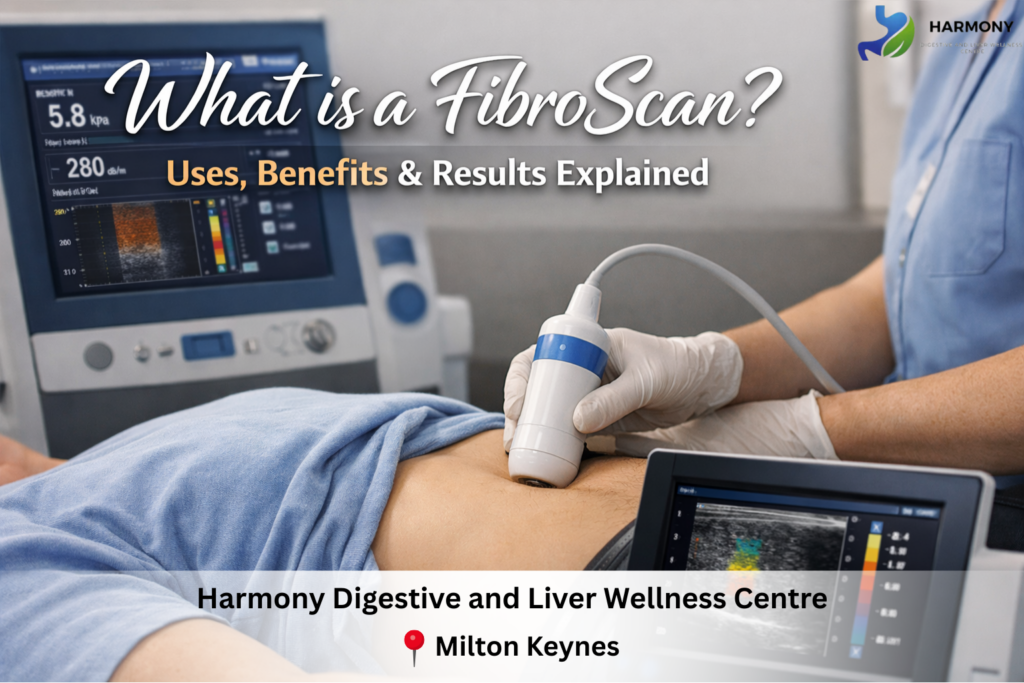
This non-invasive assessment measures liver stiffness, which can help estimate the risk of liver fibrosis or scarring. It is useful for fatty liver, abnormal liver blood tests and monitoring known liver conditions.
The clinical term is transient elastography. Many patients search for this type of assessment as a FibroScan-style liver test; FibroScan® is a proprietary brand.
People with fatty liver/MASLD, abnormal liver function tests, alcohol-related risk, viral hepatitis, diabetes, obesity or metabolic risk factors.
The scan is quick and painless. A probe is placed against the skin and measurements are taken to estimate liver stiffness.
Results are interpreted alongside blood tests, imaging, history and consultant review where required.
Many patients use “FibroScan” to describe a liver stiffness scan. FibroScan® is a proprietary Echosens brand. Harmony offers liver stiffness assessment using transient elastography.
No. Blood tests show biochemical patterns; transient elastography estimates liver stiffness. The two are often complementary.
It contributes useful information, but diagnosis and monitoring should consider the full clinical picture.
Browse by service type, with clear routes into consultation, testing and procedures.
In-person and virtual appointments use the same pricing structure.
Transient elastography liver stiffness scan, often searched as a FibroScan-style test.
Transient elastography for liver fibrosis risk assessment.
Targeted testing for anaemia, bloating and liver health. Exact testing is confirmed against your clinical scenario.
Blood iron levels, total iron binding capacity, ferritin, B12, folic acid, and stool evaluation for traces of blood and inflammation.
Coeliac screen, stool elastase, H. pylori stool antigen and lactulose hydrogen breath testing.
Liver function test with infective, autoimmune and genetic hepatitis screen.
LFT, full blood count, viral hepatitis screen, auto-antibody profile, genetic and metabolic workup.
SIBO, H. pylori and gut methane assessment.
Clinical-grade at-home stool test mapping the gut microbiome to guide personalised dietary and lifestyle changes.
Approximately 20 microbiome pathways assessed to identify foods and lifestyle changes for better gut health.
Gastroscopy pricing is shown below. Other procedure rates are confirmed after assessment.
Upper endoscopy with H. pylori testing where appropriate.
Lower bowel examination.
Large bowel examination.
Specialist bile duct/pancreatic procedure.
Advanced endoscopy with ultrasound imaging.
Packages combine consultation, selected diagnostics and review.
Consultation, SIBO breath test and results review with a practical plan.
Consultation, same-day ultrasound abdomen and same-day review.
Consultation, MRI abdomen or MRCP with contrast, and review.
New appointment, ultrasound liver, liver stiffness assessment and review.
New appointment, MRI liver with contrast, liver stiffness assessment and review.
New appointment, MRI pancreas with contrast, MRCP and review.
A clear route for insured appointments and named-consultant authorisation.
Please obtain pre-authorisation for the named consultant you are seeing.
Authorisation should be for the individual consultant, not simply the clinic name.
Request pre-authorisation and confirm your policy covers the appointment or procedure.
Use the booking link or call the team with your authorisation details.
Bring your membership number, authorisation code and relevant clinical records.
Reports and treatment plans can be shared with your GP with consent.

Consultant Gastroenterologist & Advanced Endoscopist
Bupa Profile
Consultant Gastroenterology, Hepatology & General Medicine
Bupa Profile“Dear Dr Prakash, thank you very much for your care and kindness. Being anxious and tense, you made me feel comfortable and at ease. I am so very grateful to you all for your care and professionalism you showed me.”
“Procedure completed with ease and efficiency. Impressed with the ease of examination. Highly recommended.”
“I had an excellent experience with Dr Gupta. He was thorough, professional, and took his time to explain everything clearly. He made me feel comfortable and safe during my first appointment.”
“Dr Gupta was warm and welcoming, listened (really listened) to my concerns, asked the right questions and took the time to explain a clear plan. One of the best consultants I have ever seen.”
Verified reviews and profile pathway.
View DoctifyView BupaConsultant profile and review pathway.
View DoctifyView BupaAvailable 9:00am to 7:00pm
+44 01908 011204SMS/WhatsApp: +44 7349 238744
Harmony Digestive & Liver Wellness Centre
Within Vitalscan
100 Avebury Boulevard
Milton Keynes
MK9 1FH
Close to Milton Keynes Central station, with designated parking and wheelchair access.
Vitalscan — diagnostic imaging and health scanning partner at the same Avebury Boulevard location.
Preparation guidance for consultations, blood tests, breath tests, liver stiffness assessment and endoscopy pathways.
I am a Consultant Gastroenterologist and Advanced Interventional Endoscopist in Milton Keynes providing care for adults (16 years and above). My practice combines a tailored assessment with evidence-based treatment, with a focus on continuity from initial consultation to follow-up, and beyond.
Following my MBBS, I completed an MD Internal Medicine, and higher speciality training in Gastroenterology. I chose advanced therapeutic endoscopy as my area of interest and completed a fellowship training in ERCP, EUS, luminal stent placements for benign and malignant disease, and feeding-tube placements. My training gathers experience from around the world, notably the Herlev Hospital, University of Copenhagen, a leading European centre for EUS.
I keep practice up to date with current American (AGA, ASGE), British (BSG, NICE) and European (ESGE) guidance. My endoscopic outcomes are audited every six months against the BSG and Joint Advisory Group (JAG) standards.
I lead the Endoscopic Ultrasound (EUS) service at Milton Keynes University Hospital, which I established in 2022, to improve decision-making in suspected pancreatic and biliary disease. I introduced EUS-guided fine-needle biopsy in Milton Keynes to aid early diagnosis of cancers and other disorders, allowing local access to these complex procedures but importantly, early cancer diagnosis.
I am UK JAG-accredited as an endoscopist and trainer in upper GI endoscopy, colonoscopy and ERCP. I am also an Educational Supervisor for Oxford Deanery registrars training them in Gastroenterology and Advanced Endoscopy. I also hold the position of Honorary Senior Clinical Lecturer at the University of Buckingham Medical School.
My research interests include early cancer diagnosis. Aside from multiple peer-reviewed publications, I am currently a Principal Investigator (PI) in the PANACEA trial and a co-PI from Milton Keynes in the VAPOR trial, studying breath tests for early cancer detection in partnership with Imperial College, London. I have also been the Trust lead for national audits, such as the National Upper GI Bleed Audits and the missed upper GI cancer audit.
My professional memberships include the Royal College of Physicians, the British Society of Gastroenterology and the UK & Ireland EUS Society, among others.
Hepato-pancreato-biliary medicine, ERCP, EUS, advanced endoscopy, reflux, bloating, SIBO, abnormal liver tests and general gastroenterology.
English (fluent), Malayalam (fluent), Hindi (able to converse)
Bupa, AXA Health, Vitality Health, Allianz Worldwide Care, Aviva, WPA and Healix, subject to pre-authorisation for the named consultant.
Use these links for insurer checks and independent profile review.
Consultant Gastroenterology, Hepatology & General Medicine
Dr. Prakash Gupta (Kash) qualified in 2003 from The Royal Free and University College Medical School where he trained as a junior house officer. He subsequently went on to complete his Membership of the Royal College of Physicians and then began specialist training in Gastroenterology and Hepatology in the Oxford Deanery.
During his time at The Oxford Deanery, Dr. Prakash Gupta (Kash) completed advanced hepatology training and gained liver transplant experience at Addenbrooke’s Hospital in Cambridge. He was awarded the prestigious Welcome Trust Research Fellowship grant to allow completion of his Doctor of Philosophy qualification from Oxford University in liver immunology and genomics as a research fellow at Harvard Medical School in Boston, USA, for 3 years where he met his wife.
After receiving triple accreditation in Medicine, Gastroenterology and Hepatology Dr. Gupta was appointed a locum consultant at the John Radcliffe Hospital in Oxford before taking up a substantive post at Milton Keynes University Hospital. He holds a number of pivotal roles including Lead in Specialty Medicine, Lead in Hepatology and previous roles included Lead in Clinical Governance for Gastroenterology, Consultant BMA representative and Local Negotiating Committee Chair at Milton Keynes Hospital.
Since creating the Hepatology department at Milton Keynes in 2017, there is now a dedicated consultant inpatient/outpatient service along with a nursing team and transplant program affiliated with Cambridge University Hospitals which has shown a vast improvement in overall outcomes for patients. Dr. Gupta has published in a number of scientific papers and continues to perform clinical research and is co-investigator for several multi-centre trials.
On top of his consultancy work Dr. Gupta also provides regular lectures and teaching to junior doctors and medical students in Buckingham and Oxford. He maintains close ties with Oxford University Hospitals, having set up a local Hepatitis B and C service with them, and also maintains close links with Cambridge University Hospitals having set up a joint liver transplant clinic. He also supervises and trains multiple specialist and resident doctors every year. Dr.Gupta is also proficient in upper GI endoscopy and a certified trainer.
Whilst proficient in general gastroenterological disease, Dr. Prakash Gupta (Kash) has a particular interest in liver disease, especially fatty liver disease/Metabolic dysfunction Associated SteatotIc Liver Disease(MASLD) previously known as NAFLD.
Dr. Prakash Gupta (Kash) has developed a holistic approach to longevity medicine by addressing lifestyle, nutrition, supplements, exercise techniques, sleep, weight loss, maintaining a healthy microbiome and gut and appropriate technology aids.
Liver disease, fatty liver/MASLD/NAFLD, general gastroenterology, longevity and lifestyle medicine, evidence-based supplementation, and maintaining a healthy gut and microbiome.
English (fluent)
Bupa, AXA Health, Vitality Health, Allianz Worldwide Care, Aviva, WPA and Healix, subject to pre-authorisation for the named consultant.
Use these links for insurer checks and independent profile review.
How Harmony handles personal information, clinical information and website enquiries.
Harmony Digestive & Liver Wellness Centre handles personal and clinical information with care, confidentiality and appropriate professional safeguards.
Website enquiries should include only the information needed for the team to contact you. Clinical records, insurance details and referral information are handled for appointment administration, clinical care and communication with relevant healthcare professionals where appropriate.
Harmony’s privacy and cookie information explains how patient information is used, stored and protected.
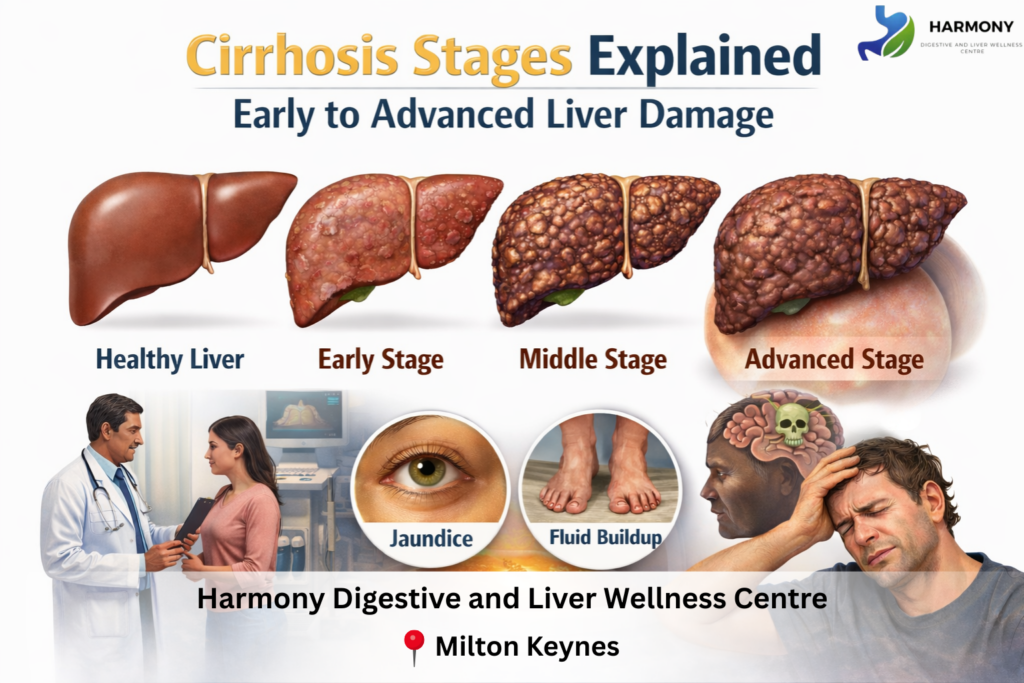
Articles on digestive health, liver wellness, common symptoms, diagnostics and treatment pathways — written and curated by the Harmony team.













































No articles match that search. Try a different keyword.