

A cough that won’t shift is draining. It affects sleep, work, exercise and confidence — and it becomes frustrating when you’ve tried inhalers, antibiotics or antihistamines and nothing really changes.
Reflux is a common hidden contributor to chronic cough. Sometimes there is obvious heartburn. Sometimes there isn’t.
I’m Dr Arjun Prakash, Consultant Gastroenterologist and Endoscopist. I see patients with reflux-related symptoms, including chronic cough, at Harmony Digestive and Liver Wellness Centre in central Milton Keynes, and via virtual appointments for patients across the UK and abroad.
The questions I get asked most often
“Can acid reflux really cause a chronic cough?”
Yes. In clinic, reflux is one of the recognised causes of chronic cough. It can trigger coughing in a few ways: small amounts of reflux can irritate the throat and voice box area; reflux can inflame sensitive tissue higher up without obvious heartburn; and acid in the lower oesophagus can set off a cough reflex even when nothing reaches the mouth.
The result is a cough that can feel respiratory, even when the driver is the upper digestive tract.
“How would I know if my cough is reflux-related?”
There isn’t a single tell-tale sign, so I look for patterns. Features that often sit alongside reflux cough include coughing after meals; coughing when lying flat or on waking; throat clearing, a hoarse voice, or a “lump in the throat” feeling; sour taste, burping, or fluid coming up; and symptoms that flare with alcohol, late meals, or richer foods.
None of these prove reflux on their own, but together they often point the right way.
“I don’t get heartburn. Can it still be reflux?”
Absolutely. A proportion of patients with reflux-related cough don’t describe classic burning in the chest. Instead, they experience upper-airway symptoms such as throat irritation, hoarseness, excess mucus sensation, or a persistent tickle that sets off coughing.
From a gastroenterology point of view, the job is to decide whether reflux is truly the driver in your case, rather than assuming it is.
“Should I have an endoscopy because of a chronic cough?”
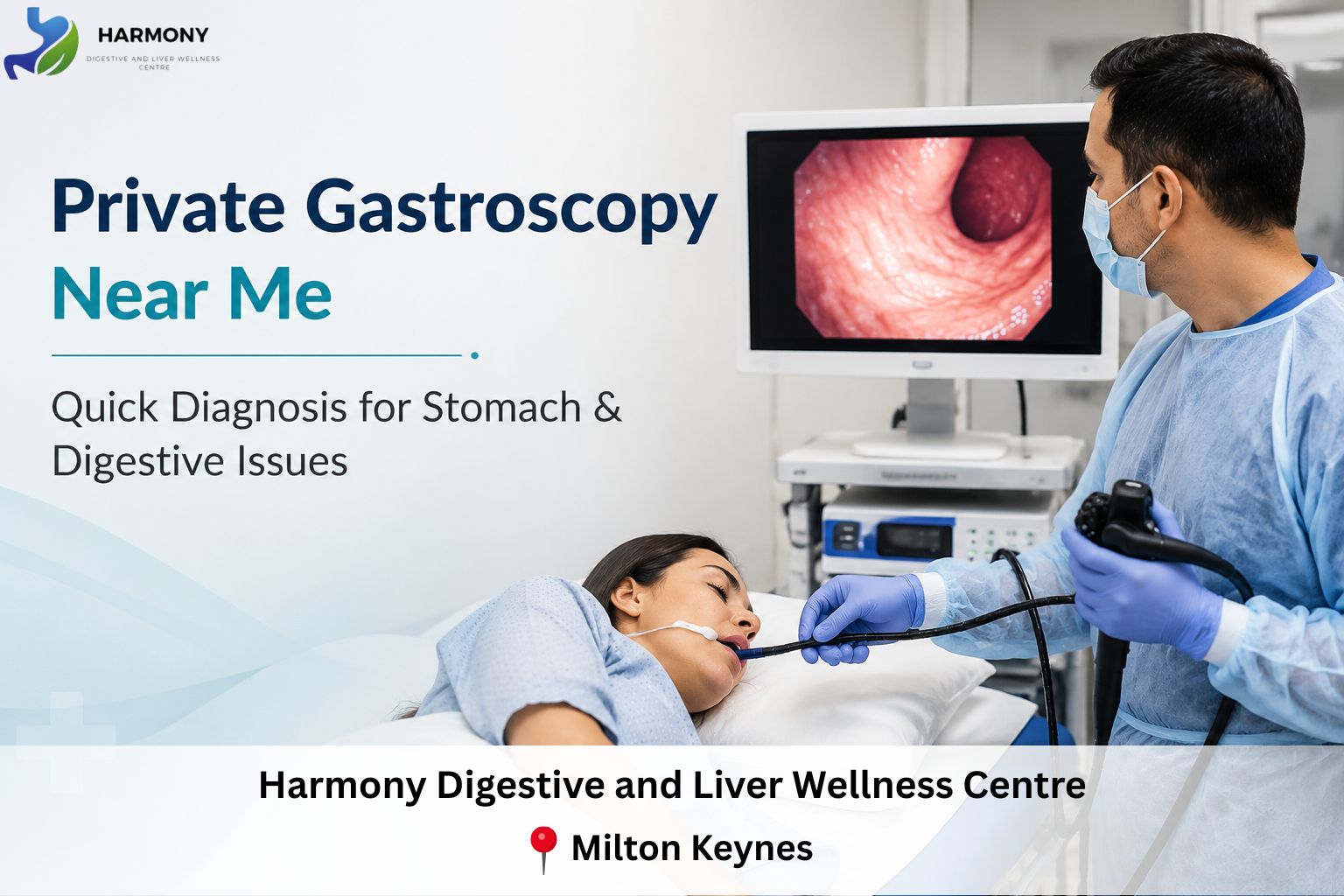
Not everyone needs one. An upper endoscopy (gastroscopy) is more likely to be appropriate if you have reflux symptoms that are frequent or longstanding; symptoms starting after the age of 50; swallowing difficulty, food sticking, or pain on swallowing; weight loss, anaemia, vomiting or other warning symptoms; persistent symptoms despite a sensible treatment trial; or concern about complications such as oesophagitis or Barrett’s.
A gastroscopy doesn’t diagnose cough, but it can be important to assess the oesophagus and rule out problems that need different management.
“Does a cough mean I might have Barrett’s oesophagus?”
No. A cough alone doesn’t suggest Barrett’s.
Barrett’s is associated with longstanding reflux in some patients and is diagnosed on endoscopy and biopsy. I think about it more in people with established reflux symptoms over years and common risk factors such as age over 50, male sex, central obesity and smoking history. If it’s found, it’s managed with the right acid suppression strategy and surveillance where appropriate.
“I tried reflux medication and the cough didn’t improve. Does that rule reflux out?”
Not automatically. There are two common reasons this happens. First, throat irritation can take time to settle even when reflux is controlled. Second, not every cough that co-exists with reflux is caused by reflux — there can be overlap with post-nasal drip, asthma-type conditions, medication side effects, and airway sensitivity.
The other practical issue is how treatment is taken. Timing and consistency matter. When someone tells me a PPI didn’t work, I often find it was taken intermittently, for too short a course, or at times that don’t maximise effect.
When the cough persists, that’s usually the point to reassess rather than simply escalating indefinitely.
“What tests can actually confirm reflux as the cause?”
If the story remains unclear, or symptoms persist despite a good-quality trial of treatment, objective testing can help.
Reflux monitoring (pH testing or pH-impedance) measures reflux episodes over 24 hours and can correlate them with symptoms. It’s particularly useful when symptoms are atypical, cough persists despite treatment, surgery is being considered, or we want to distinguish acid reflux from non-acid reflux.
Oesophageal manometry measures oesophageal muscle function. It’s most relevant when there is swallowing difficulty, surgery is being considered, or a motility disorder is suspected.
Gastroscopy (endoscopy) is useful to assess inflammation, ulceration, hiatus hernia and Barrett’s, and to exclude other upper GI pathology.
Most patients don’t need every test — the choice depends on the pattern and the question we’re trying to answer.
“Could it be something else entirely?”
Yes.
Chronic cough is common and often multifactorial.
Common non-GI contributors include post-nasal drip/chronic rhinitis, asthma-spectrum conditions, smoking/vaping irritation, and certain medications. When I suspect another primary driver, I usually advise parallel review rather than treating reflux as the only explanation.
“What lifestyle changes make the biggest difference?”
The changes that consistently help reflux-related symptoms are not glamorous, but they work: leave a 2–3 hour gap between your last meal and bed; reduce large evening meals; limit alcohol, especially in the evening; consider weight reduction if central weight is a factor; elevate the head of the bed if night symptoms dominate; and identify clear personal triggers (often fatty foods, chocolate, peppermint, coffee, fizzy drinks).
A few well-chosen changes tend to outperform a long, unrealistic list.
“Do I need long-term treatment? Should I be worried about taking it?”
Some people need short courses; others need longer-term therapy, particularly if there is proven oesophagitis or Barrett’s. The sensible approach is to use the lowest effective dose, review periodically, step down where appropriate, and avoid years of repeat prescriptions without reassessing the diagnosis.
If reflux has caused clear complications, longer-term acid suppression is often protective and appropriate.
“When should I see a gastroenterologist for reflux and cough?”
If a cough has lasted more than eight weeks, it’s reasonable to seek a structured assessment, particularly if reflux symptoms sit alongside the cough; symptoms are worse after meals or when lying down; you’ve tried basic measures without improvement; there are warning symptoms such as swallowing difficulty, weight loss or anaemia; or you want clarity on whether endoscopy or reflux monitoring is indicated.
Appointments
I see patients with reflux, heartburn and chronic cough at Harmony Digestive and Liver Wellness Centre (central Milton Keynes) and also offer virtual consultations for patients across the UK and abroad.
About Dr Arjun Prakash
Dr Arjun Prakash is a Consultant Gastroenterologist and Endoscopist at Harmony Digestive and Liver Wellness Centre in central Milton Keynes. He offers face-to-face and virtual consultations for reflux, chronic cough and upper gastrointestinal symptoms.
Book a consultation or screening today: Click Here.
To book a private liver or gut consultation or second opinion, Get in touch with us.
Had a great experience with us? We’d love to hear your thoughts! Click here to leave a Google review.