 Skip to main content

Stomach Pain Lower Abdomen: Digestive and Bowel-Related Reasons
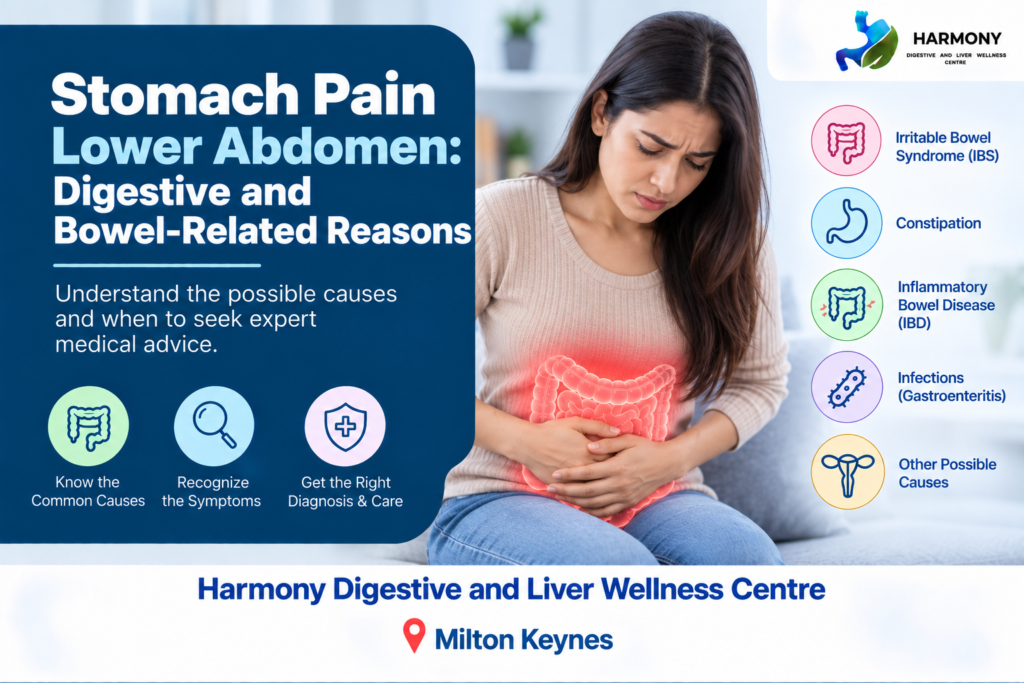
Experiencing stomach pain lower abdomen can cause concern. The pain may come and go or feel constant, sometimes along with bloating or digestive discomfort. It is often ignored at first. Others fear a serious cause. Understanding why this pain occurs helps you decide when to watch symptoms and when to seek medical advice. At Harmony Liver and Digestive Wellness Centre, we see many patients who want clear answers about lower abdominal pain. What does lower abdominal pain usually indicate? Digestive causes are usually responsible when someone experiences stomach pain lower abdomen, as the intestines play a major role. Pain patterns matter. Cramping indicates issues in the bowel movement, while continuous pain may suggest swelling. Sharp pain that gets worse with time calls for immediate attention. Common digestive causes to consider Several gut-related conditions can cause stomach pain lower abdomen. Irritable Bowel Syndrome (IBS) IBS usually causes cramping, bloating, and changes in stool consistency. Stress, food triggers, and irregular eating patterns often worsen symptoms. Pain often improves after a bowel movement. Constipation Hard or infrequent stools create pressure in the bowel that improves once bowel movements become regular. Gastroenteritis or gut infections Infections irritate the intestines and may cause pain along with diarrhoea, nausea, or fever. Inflammatory Bowel Disease (IBD) Inflammation from conditions like Crohn’s disease or ulcerative colitis can cause pain, fatigue, and changes in stools. When bowel habits change Persistent stomach pain lower abdomen with new bowel changes deserves careful assessment. Red flags include: Ongoing diarrhoea or constipation Blood or mucus in stools Unexplained weight loss Night-time pain or symptoms These signs do not confirm serious disease, but they do signal the need for medical review. Is it always the digestive system? Digestive issues account for most cases, but other causes exist. Lower abdominal pain is not always digestive. Problems involving the bladder, reproductive organs, or other internal organs can mimic bowel discomfort. At Harmony Liver and Digestive Wellness Centre, we assess symptoms carefully and recommend targeted tests when needed. How doctors investigate lower abdominal pain To understand stomach pain in lower abdomen, clinicians may suggest: Blood tests to check swelling or infection. Stool tests to rule out infection or bleeding. Ultrasound or CT scans. Endoscopy or colonoscopy for bowel assessment. What can you do now? You should not panic about occasional discomfort. But continuous stomach pain in the lower abdomen needs attention. You can start by: Eating regular, balanced meals. Drinking enough water. Reducing processed foods. Tracking symptoms and triggers. Medical advice becomes essential if pain worsens or affects daily life. Final word Lower abdominal pain has many possible explanations, and most respond well to early care. Understanding about stomach pain in the lower abdomen helps to reduce fear. With expert guidance, accurate testing, and personalized advice, digestive health can improve significantly. If symptoms concern you, the team at harmony liver and digestive wellness centre offers clear assessments and supportive care to help you move forward with confidence. Book a consultation or screening today: Click Here. To book a private liver consultation or second opinion, Get in touch with us. Had a great experience with us? We’d love to hear your thoughts! Click here to leave a Google review.
How to Treat Liver Disease: Expert Approaches for Better Liver Health
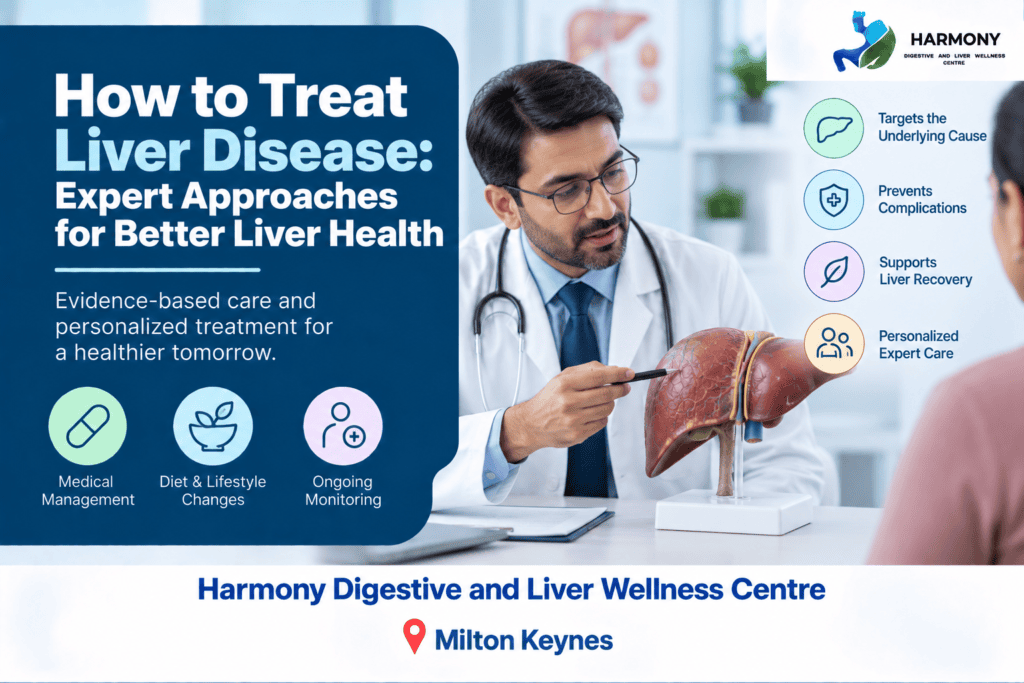
Liver disease can affect many people, yet many people do not understand when their liver starts to function improperly. Early symptoms can be ignored easily. But understanding how to treat liver disease helps you to take control of your health before the condition progresses. At Harmony Liver and Digestive Wellness Centre, we help patients to protect, repair and support their liver function for a long term. What Treating Liver Disease Really Means Treatment depends on the underlying cause. Liver disease is not a single condition, it can be due to fat accumulation, alcohol use, viral infections, autoimmune issues, genetics, or medication-related damage. To understand how to treat liver disease, you first need the correct diagnosis. Once the cause becomes clear, treatment can target swelling, reduce scarring, and prevent further harm. Common diagnostic tools include: Liver blood tests. Ultrasound or FibroScan. Screening for viral hepatitis. Assessment of alcohol-related injury. Metabolic health evaluation. Lifestyle Changes: The Foundation of Treatment Making a change in the lifestyle habits is the most important part of how to treat liver disease. These interventions work for fatty liver disease, early fibrosis, and alcohol-related changes. 1. Healthy Diet A balanced diet rich in whole grains, vegetables, lean protein, and healthy fats helps in liver repair. Reducing sugar, ultra-processed foods, and saturated fats lowers liver fat and swelling. 2. Regular Exercise Regular physical activity helps lower liver fat and makes your body more sensitive to insulin. 3. Alcohol Reduction or Avoidance Alcohol is the major cause of liver damage. Cutting down or avoiding alcohol plays an important role in liver recovery. Medical Treatments and Specialist Care Sometimes, making lifestyle changes alone may not help in treating liver disease. Understanding how to treat liver disease also involves exploring medical therapies. 1. Treating the Underlying Cause Hepatitis B or C: Antiviral medication. Autoimmune hepatitis: Managed with steroids or immune-suppressing drugs. Genetic liver conditions: Require targeted medical care. Alcohol-related injury: Supervised withdrawal and nutritional support. 2. Managing Complications People with advanced disease may require treatment for: Fluid retention. Confusion related to ammonia build-up. Vitamin deficiencies. Timely detection helps to prevent serious complications like cirrhosis or liver failure. Monitoring and Regular Check-ups Knowing how to treat liver disease also means understanding the importance of continuous check-ups. Liver conditions can change with time, so repeat scans and blood tests make sure that treatment given is effective. Regular reviews help detect the presence of other conditions such as fibrosis early when it is still reversible. What You Can Do Today If you think you have symptoms, taking action now can make a huge difference. At Harmony Liver and Digestive Wellness Centre, we offer: Complete liver assessment. FibroScan and ultrasound. Tests for hepatitis, autoimmune conditions, and metabolic disorders. Personalised treatment plans. Lifestyle guidance. Final Word Understanding how to treat liver disease helps you take charge of your health. Timely treatment helps to reverse the condition and also helps to manage the advanced cases effectively with the right support. With expert care and healthy habits, you can keep your liver well for a long time. Book a consultation or screening today: Click Here. To book a private liver consultation or second opinion, Get in touch with us. Had a great experience with us? We’d love to hear your thoughts! Click here to leave a Google review.
Recognizing the Early Signs of Liver Disease You Shouldn’t Ignore
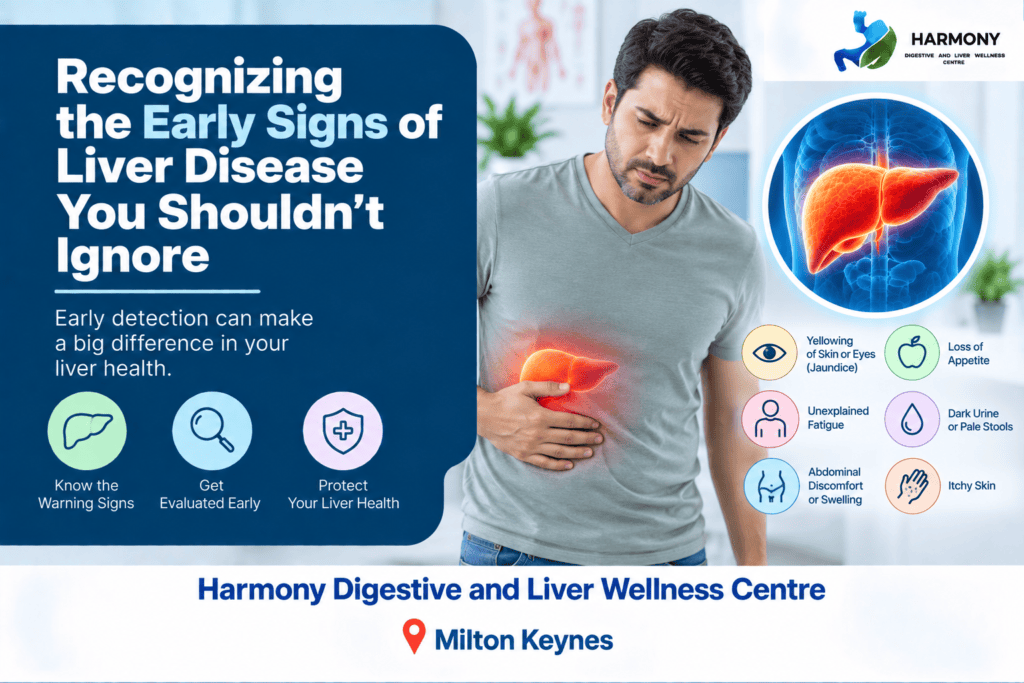
Many people discover liver issues only when their symptoms become too much to handle. The liver works quietly, so any early warning signs seem minor or unrelated. Understanding the signs of liver disease helps you act early and protect your long-term health. At Harmony Liver and Digestive Wellness Centre, we regularly see patients who notice small changes long before serious damage occurs and early action makes the biggest difference. What Liver Disease Really Means When the liver isn’t working well, the body struggles to manage fluids properly. This often leads to bloating, swollen ankles, or a puffy face. Many conditions develop slowly, which is why the early signs of liver disease can be easy to overlook. Common causes include: Fatty liver disease Viral hepatitis Alcohol-related damage Autoimmune liver conditions Genetic disorders Long-term medication use Spotting symptoms early can prevent progression towards fibrosis or cirrhosis. Early Signs of Liver Disease Liver symptoms can appear in many forms because the liver supports digestion, detoxification, immunity, and energy production. Here are some important early signs of liver disease to watch for: 1. Persistent Fatigue Unusual tiredness, low energy, or brain fog commonly appear before other symptoms. The liver struggles to filter toxins effectively, leading to a general feeling of exhaustion. 2. Abdominal Discomfort or Fullness A dull ache or heaviness on the right side of the stomach may indicate swelling. This can be one of the earliest signs of liver disease. 3. Unexplained Bloating or Fluid Retention Poor liver function can disturb the way the body handles fluids. As a result, some people notice bloating, ankle swelling, or facial puffiness. 4. Changes in Appetite or Digestion Nausea, reduced appetite, or difficulty tolerating fatty foods are common in early liver problems. 5. Itchy Skin and Easy Bruising A problem in the liver affects bile flow and blood clotting. Non-stop itching or bruising without clear cause should never be ignored. 6. Yellow Eyes or Skin (Jaundice) Yellow eyes or skin may appear early in some conditions. Yellowing happens when bilirubin builds up due to improper liver processing. Why Early Detection Matters Liver disease can progress silently for years. Once severe symptoms show up, it often means the liver has already gone through major damage. Identifying the signs of liver disease early allows for: Reversal of inflammation Slowing or prevention of fibrosis Better long-term outcomes Personalised treatment and monitoring Many liver conditions are reversible with timely intervention. What You Can Do Now If you recognise any of these early signs of liver disease, do not wait for symptoms to worsen. A simple blood test, ultrasound, or FibroScan can provide clarity and help prevent complications. At Harmony Liver and Digestive Wellness Centre, we offer: Complete liver checks. FibroScan and ultrasound imaging. Treatment for fatty liver, hepatitis, and alcohol-related liver disease. Ongoing monitoring and lifestyle guidance. Final Word Knowing the early signs of liver disease helps you act in time. With proper guidance and treatment on time, you can protect your liver and stay healthy. Book a consultation or screening today: Click Here. To book a private liver consultation or second opinion, Get in touch with us. Had a great experience with us? We’d love to hear your thoughts! Click here to leave a Google review.
Acid Reflux as a Symptom, Heartburn and Indigestion – When to Take It Seriously?
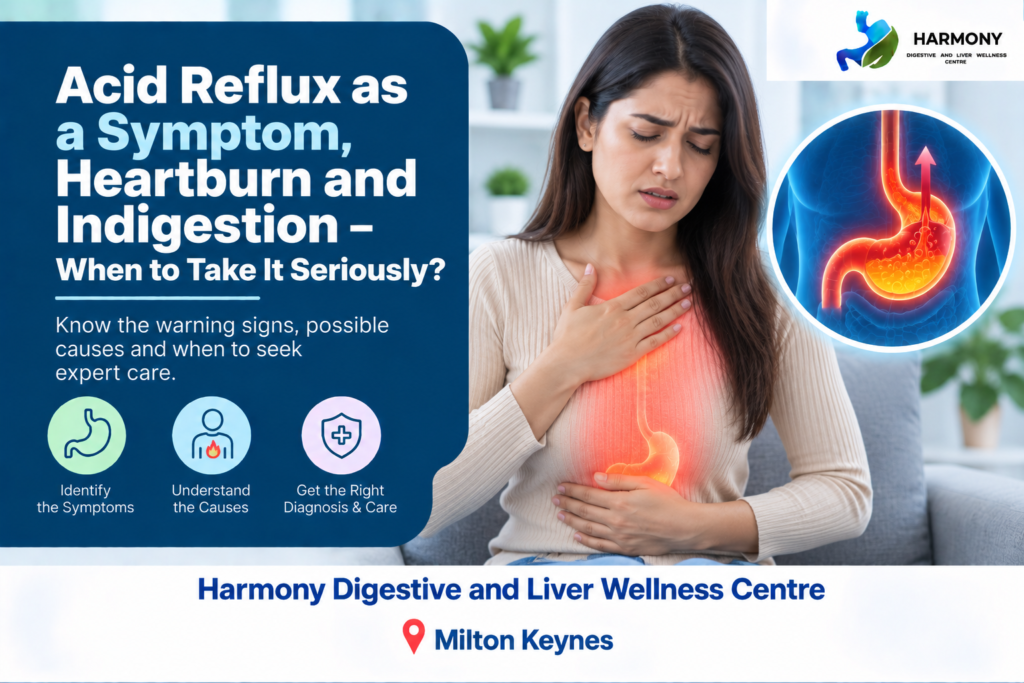
Most people meet acid reflux as a symptom at some point in their lives. A heavy curry, too much wine, lying down straight after a big meal – your chest burns, there’s a sour taste in the back of your throat, and you promise you’ll “never do that again”. For a lot of my patients, though, it doesn’t stop there. The burning becomes almost daily. Tablets start to live in handbags and bedside drawers. Sleep is disrupted, certain foods are avoided, and there’s a quiet, nagging question underneath it all: “Is this just reflux… or is something more serious going on?” If that sounds familiar, this article is for you. I’ll walk you through how I think about reflux in clinic: when we can manage it simply, when we should look inside with an endoscopy, what Barrett’s oesophagus actually means, when tests like manometry and pH studies are worth doing, how surgery fits in, and how worried you really need to be about long-term PPI use. When heartburn is more than just an annoyance Acid reflux as a symptom itself is incredibly common and, in many people, fairly harmless. A bit of acid coming up now and then after certain meals is part of being human. What worries me is a different pattern: heartburn or regurgitation most days of the week, symptoms going on for months or years, or chest and throat symptoms that simply won’t settle despite doing “all the right things”. When I meet someone with long-standing reflux, the first job is to listen properly. How long has this been going on? Does food ever feel like it sticks? Is there pain when swallowing? Have you lost weight without trying? Is there a family history of oesophageal or stomach cancer? Have you been on acid-suppressing tablets for years without anyone really checking what’s happening in the oesophagus? That combination of story, age, and risk factors is what tells me whether we can safely keep treating on the surface – or whether it’s time to actually look. Why and when I recommend an endoscopy Endoscopy (a camera test of the gullet and stomach) is not something I throw at every patient with heartburn. For many younger people with mild symptoms that respond well to a short course of acid suppression, it’s simply not necessary. But there are situations where I feel strongly that we should do it. If you are over about 50 with persistent reflux, especially if you’re male and carry weight around the middle, I start thinking about getting a proper look. If food sticks or hurts on the way down, if you’ve unintentionally lost weight, if your GP has found low iron or anaemia, if you’ve had black stools or vomited blood, an endoscopy moves from “optional extra” to “essential”. Even without dramatic alarm bells, years of daily or near-daily reflux in someone with several risk factors often tips the balance towards at least one scope. It’s not about scaring people; it’s about not crossing our fingers and hoping for the best when we don’t have to. What does the test actually give us? It shows whether the oesophagus is inflamed or ulcerated, if there is a hiatus hernia, whether there are any concerning strictures or lumps, and crucially, whether the lining at the bottom of the oesophagus has changed into Barrett’s oesophagus. Barrett’s oesophagus in plain language Barrett’s is one of those phrases that sends people straight to Google at midnight. In simple terms, the lower part of your oesophagus isn’t designed to be bathed in acid and bile all day. If that happens for many years, the lining can adapt and change into a tougher, “intestine-like” lining. That change is called Barrett’s oesophagus. Why do we care? Because that Barrett’s lining has a higher chance of turning into cancer over time than normal lining. The key point, though, is that the vast majority of people with Barrett’s never develop cancer. It is a risk marker, not a sentence. If I find Barrett’s during an endoscopy, I always take small biopsies. Under the microscope, we look for signs of “dysplasia” – early but important changes in the cells. No dysplasia usually means periodic surveillance. Low- or high-grade dysplasia may need closer follow-up and, in many cases now, active endoscopic treatment. The reassuring part is that we’re much better at managing Barrett’s than we used to be. In many patients we can treat abnormal areas from inside the oesophagus using techniques like radiofrequency ablation, rather than big, life-changing surgery. The worst thing is to have Barrett’s and nobody knows about it. Where PPIs fit in – and how scared you should be of them By the time people get to me, many have tried most of the pharmacy shelf. Gaviscon, alginates, “over-the-counter omeprazole”, then a prescription PPI from the GP, and sometimes two or three different ones. PPIs – omeprazole, lansoprazole, esomeprazole, pantoprazole and so on – are among the most effective drugs we have for acid reflux as a symptom. They genuinely reduce acid production in the stomach, help the oesophagus to heal if it’s inflamed, and in conditions like Barrett’s they play a protective role. Understandably, patients are increasingly worried about taking them long term. The internet is full of headlines linking PPIs to bone thinning, kidney disease, dementia and more. What’s rarely explained is that most of these concerns come from observational studies that show an association, not proof that PPIs are the cause. People on PPIs tend to be older, more unwell, and on more medications overall, which itself increases risk. My approach is fairly straightforward. If you have acid reflux as a symptom disease – troublesome symptoms confirmed on tests, oesophagitis, Barrett’s – then being on a daily PPI is often the right thing to do. The benefit of protecting the lining and controlling acid far outweighs the theoretical risk for most people. If you’ve been put on a PPI for vague “indigestion” and nobody is really sure what’s going
Liver and Diarrhoea- Understanding the connection between them
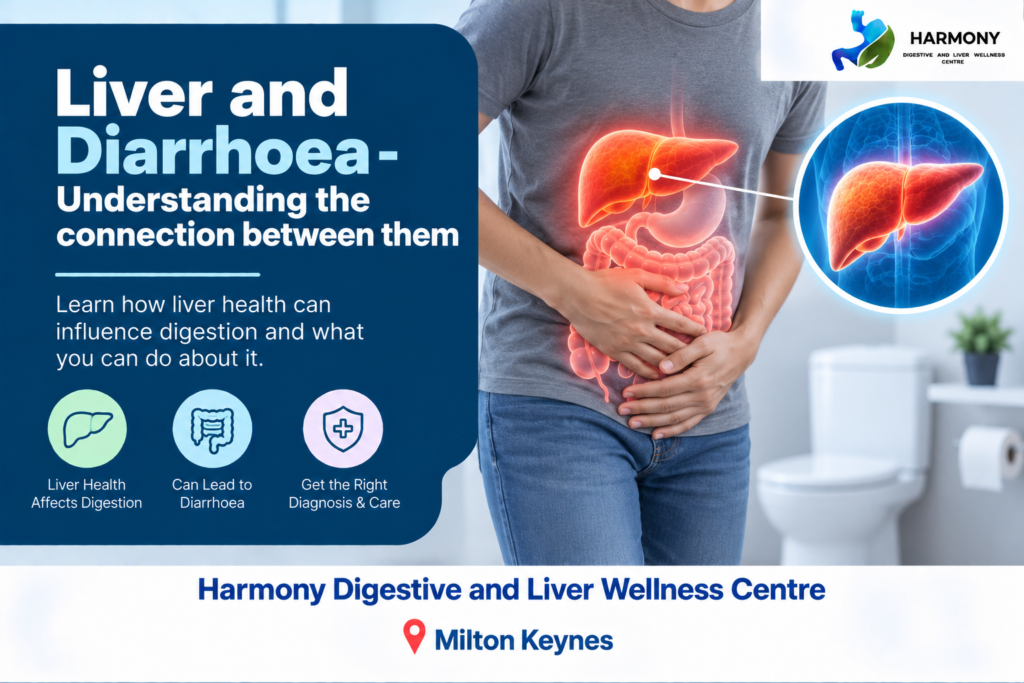
Most of us associate liver problems with tiredness, yellowing of the skin, or discomfort in the abdomen. But a common question—what’s the connection between liver and diarrhoea—often gets overlooked. The liver supports digestion and filters toxins, so any disturbance in its function can show up in the gut. Understanding this connection helps you take timely consultations and begin treatment if necessary. At Harmony Liver and Digestive Wellness Centre, we regularly check patients who have unexplained digestive changes and want clarity. How the Liver Affects Digestion Before understanding the connection between liver and diarrhoea, lets know what the liver does during digestion. It makes bile to break down fats and absorb vitamins that dissolve in fat. It also filters toxins and supports healthy gut bacteria. If the liver isn’t working well, these duties decline, resulting in altered stools, weaker nutrient absorption, and changes in how the gut moves. Connection between liver and diarrhoea Sometimes liver problems may lead to diarrhoea. Understanding these mechanisms can help you identify when digestive symptoms are more than just a dietary issue. 1. Reduced Bile Production or Flow In conditions like fatty liver disease, hepatitis, or cirrhosis, bile production can get affected. This disturbs fat digestion, leading to loose, greasy stools and diarrhoea. This is one of the most common ways where liver disease can cause diarrhoea. 2. Bacterial Overgrowth When the liver becomes weak, it struggles to manage gut bacteria properly. This allows harmful bacteria to grow in the small intestine, leading to bloating, discomfort, and diarrhoea. 3. Portal Hypertension When the liver is damaged, the pressure in the veins near the stomach and intestines increases. This results in frequent watery stools. 4. Medications Used in Liver Conditions Some individuals with liver disease use lactulose to help control high ammonia levels in the body. Lactulose works by increasing bowel movements, which can lead to diarrhoea. When Diarrhoea Should Concern You Occasional loose stools happen to everyone. The key question is whether liver disease is involved. If you regularly wonder what’s the connection between liver and diarrhoea is because your symptoms persist for weeks, it may be time to investigate further. Seek an assessment if you experience: Persistent or unexplained diarrhoea. Diarrhoea with fatigue, jaundice, or abdominal swelling. Sudden digestive changes with known liver issues. Weight loss or poor appetite. Pale, greasy, or unusually foul-smelling stools. How a Specialist Can Help If your symptoms seem connected to your liver, consulting a specialist is a good next step. At Harmony Liver and Digestive Wellness Centre, we offer: Liver blood tests. Ultrasound and FibroScan. Gut checks for bacterial overgrowth, malabsorption, and food intolerances. Personalised treatment plans. Final Word So, does liver and diarrhoea are connected ? Yes — it can, and the connection is stronger than many people realise. Diarrhoea may be an early sign of liver dysfunction, a complication of advanced disease, or a result of treatment. Understanding the link helps you recognise when something is wrong and get the right care at the right time. With proper diagnosis and guidance, many digestive symptoms improve significantly, supporting better long-term liver health. Book a consultation or screening today: Click Here. To book a private liver consultation or second opinion, Get in touch with us. Had a great experience with us? We’d love to hear your thoughts! Click here to leave a Google review.
Understanding Bad Gut Health: Causes and How to Fix It
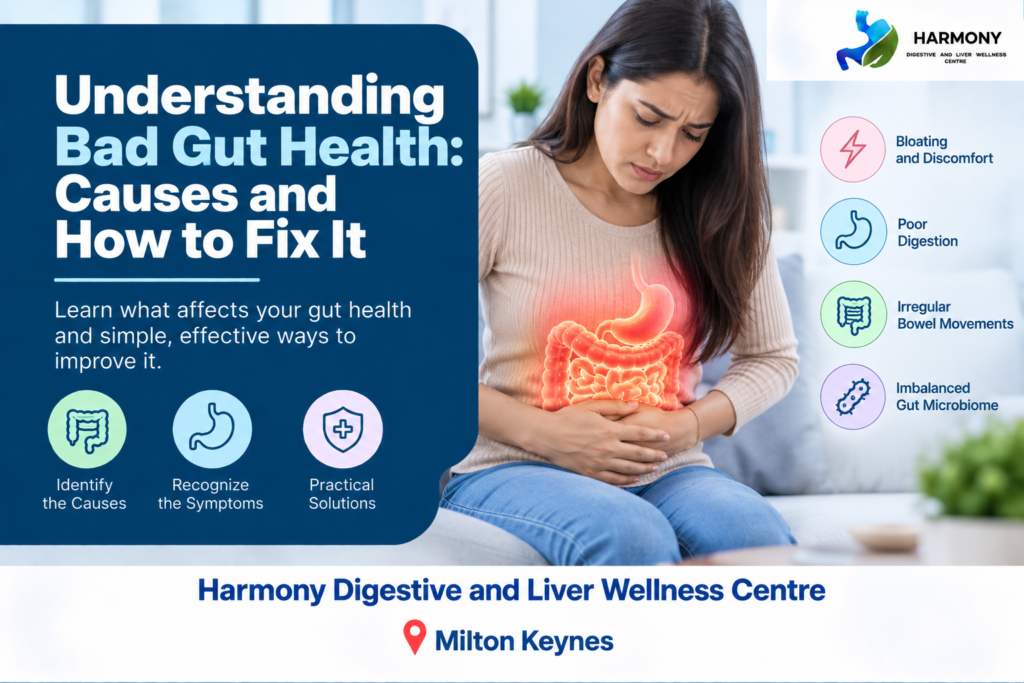
Many people deal with bloating, indigestion, tiredness, or irregular bowel movements without knowing why. In most cases, these discomforts come from underlying bad gut health. Your gut not only affects your digestion, but it also influences your immunity, energy, mood, and long-term wellness. At Harmony Liver and Digestive Wellness Centre, we help patients to understand what is exactly going on inside their digestive system and how to bring back that balance in a simple, practical way. What Does Bad Gut Health Really Mean? Bad gut health happens when the balance of bacteria, digestion, or the intestinal lining gets disturbed. This imbalance can lead to uncomfortable and persistent symptoms such as: Bloating and trapped gas Constipation or diarrhoea Heartburn Fatigue Brain fog Food sensitivities You may feel “off” without knowing exactly why. This is often the first sign that bad gut health needs attention. Causes of Bad Gut Health Bad gut health usually doesn’t show up all at once. It slowly develops because of daily habits and underlying issues that build up over time. Unhealthy food patterns: Diets high in sugar and processed foods but low in fibre disrupt the gut microbiome. This imbalance can lead to gas, discomfort, and slow digestion. Stress and lack of rest: Stress can disturb your gut’s natural rhythm. Poor sleep worsens the gut’s ability to heal overnight. Medications: Antibiotics, though necessary at times, eliminate beneficial bacteria. Other drugs like painkillers or long-term antacids can contribute to bad gut health as well. Existing gut conditions: Reflux, IBS, infections, and intolerances can irritate the digestive system and weaken its protective lining. Low physical activity: Low physical activity can weaken gut health by slowing digestion and limiting the growth of good bacteria that your body relies on. How to Fix Bad Gut Health Building better gut health is easier than people realise. It starts with small habits you can maintain. 1. Boost fibre intake Vegetables, fruits, and whole grains help feed the good bacteria and help in smooth digestion. 2. Enjoy fermented foods Probiotics from yoghurt, pickles, or kefir help to balance the gut microbiome. 3. Hydrate and move Water helps in digestion, and even gentle activities like walking improve gut motility and comfort. 4. Reduce Stress Breathing exercises, meditation, and better sleep habits play a key role in healing bad gut health. 5. Identify the Root Cause If symptoms continue, you may need a specialist assessment. Testing can uncover infections, food intolerances, enzyme deficiencies, or microbiome imbalance. When to See a Specialist Chronic bloating, abdominal pain, irregular stools, or unexplained fatigue should not be ignored. At Harmony Liver and Digestive Wellness Centre, we offer expert evaluation and personalised treatment plans to help you rebuild a healthy gut. Final Thoughts Bad gut health doesn’t improve overnight, but with the right changes, your digestive system can recover and thrive. A balanced diet, a healthier routine, and professional guidance when needed can give you long-term digestive comfort and better overall wellbeing. Book a consultation or screening today: Click Here. To book a private liver consultation or second opinion, Get in touch with us. Had a great experience with us? We’d love to hear your thoughts! Click here to leave a Google review.
Best Gut Health Supplements for a Healthier Digestive System
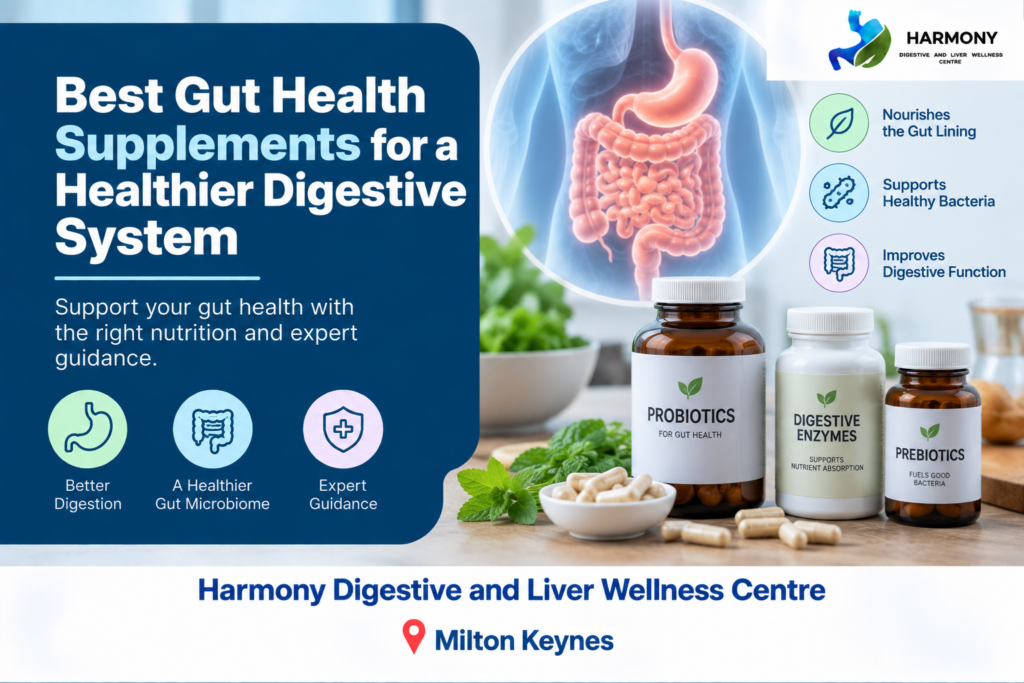
Your gut influences far more than digestion, it also affects immunity, energy, skin health, and general wellbeing. This is why so many people look for nutrition changes and the right gut health supplements to make their digestive system stronger. At Harmony Liver and Digestive Wellness Centre, we help patients make the right choices by explaining which supplements actually work and how to take them responsibly. Why Gut Health Supplements Matter Your gut is home to trillions of bacteria that help digest food, absorb nutrients, and defend your body from harmful microbes. When this balance gets disturbed, issues like bloating, gas, indigestion, and even tiredness can appear. This is where gut health supplements can make a difference by supporting the gut lining and improving nutrient absorption. Types of Gut Health Supplements and How They Help Understanding what each supplement does helps you make the correct choices. Some of the most effective gut health supplements are: 1. Probiotics These introduce beneficial bacteria into the gut. They help with digestion, reduce bloating, support immunity, and improve bowel movements. Probiotics are very useful after antibiotics or during a lot of digestive stress. 2. Prebiotics Prebiotics is like food for good bacteria. They help beneficial microbes grow stronger and keep a healthy gut environment. Common prebiotics include inulin, FOS, and certain types of fibre. 3. Digestive Enzymes These supplements make digestion easier by helping the body process carbs, fats, and proteins more effectively. Many people find relief from gas, bloating, and post-meal heaviness when using them. 4. L-Glutamine This amino acid helps heal the gut lining and supports people who experience ongoing inflammation or digestive irritation. 5. Fibre Supplements Fibre makes bowel movements smoother and keeps gut bacteria functioning well. Supplements such as psyllium husk help relieve constipation and support microbial balance. Every supplement works in its own way, and sometimes combining a few can give your gut better overall support. Choosing the Right Supplements Selecting gut health supplements should always depend on what symptoms you’re experiencing and what’s happening in your digestive system. For example: Someone with diarrhoea may need a specific probiotic strain. Someone with constipation may benefit more from a fibre supplement. Someone with gut lining irritation may need L-glutamine or soothing nutrients. A professional assessment helps identify which supplements will actually work for you. If your digestive symptoms keep returning, it’s a sign that supplements alone may not be enough. At Harmony Liver and Digestive Wellness Centre, we focus on root-cause care. Our team uses advanced tests, personalised assessments, and carefully designed treatment plans to understand what’s actually causing your digestive discomfort. Final Thoughts The right gut health supplements can strengthen digestion, improve comfort, and boost long-term wellness. When these supplements are combined with a balanced diet and healthy habits, you get powerful support for your overall digestive system. If the symptoms do not improve even after consuming a good diet and supplements, expert guidance can help you find the most effective way for your gut health needs. Book a consultation or screening today: Click Here. To book a private liver consultation or second opinion, Get in touch with us. Had a great experience with us? We’d love to hear your thoughts! Click here to leave a Google review.
Gut Health Meaning: Understanding Its Role in Overall Wellness
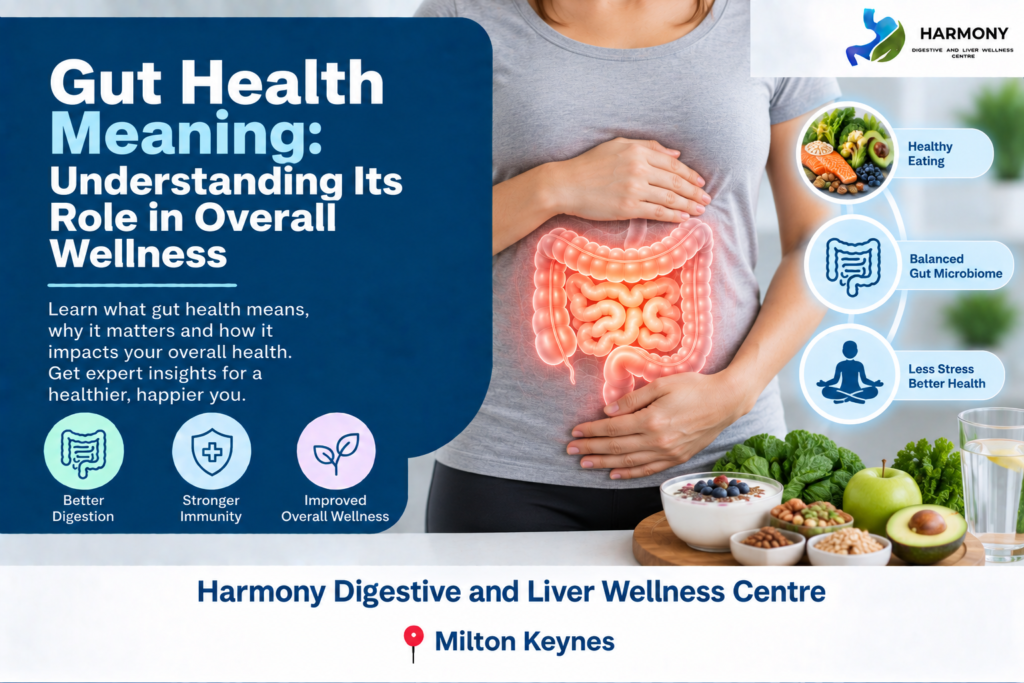
Your gut does far more than help with digestion. It affects immunity, energy, mental clarity, and even your mood. Understanding the gut health meaning gives you a clearer picture of how your digestive system can affect your entire body. At Harmony Liver and Digestive Wellness Centre, we help patients understand the importance of a healthy gut and guide them towards maintaining a long-term digestive balance. What Is the Real Gut Health Meaning? When we talk about the gut health meaning, we refer to how well your digestive system functions. The digestive system helps to break down food, absorb nutrients and support your immune system. A healthy gut contains a balanced mix of good bacteria, strong intestinal lining, and smooth digestion. When any of these areas weaken, your body begins to show signs that something isn’t working as it should. Why Gut Health Affects Your Whole Body The gut communicates with many organs, including the liver, brain, and immune system. This connection explains why understanding the gut health meaning is essential. A balanced gut helps: Strengthen immunity Maintain steady energy levels Support clear thinking Reduce inflammation Improve nutrient absorption When gut balance shifts, inflammation rises, immunity weakens, and everyday discomfort becomes more common. Signs Your Gut Needs Attention Recognising the gut health meaning also involves noticing symptoms that point towards an imbalance in the gut. Some common signs include: Bloating or frequent gas. Constipation or diarrhoea. Food intolerances. Fatigue and low energy. Skin problems like acne or rashes. Mood swings or anxiety. These signs usually appear together, showing that your gut bacteria and digestive processes need support. How to Support Better Gut Health Once you understand the gut health meaning, it becomes easier to take care of your digestive system. Simple habits can make a big difference: Eat more fibre from fruits, vegetables, and whole grains. Include fermented foods like yoghurt or kefir. Stay hydrated. Reduce the consumption of processed and high-sugar foods. Manage stress with the help of sleep, exercise, or mindfulness. Following these steps can help your good gut bacteria thrive and improve digestion naturally. When to See a Specialist If your symptoms do not improve even though you have made changes to your lifestyle, it may be a sign of an underlying issue such as bacterial imbalance, swelling in the gut, or a more complex digestive disorder. Getting professional guidance at the right time helps you understand what is happening inside your system and prevents the problem from becoming a major issue. At Harmony Liver and Digestive Wellness Centre, we offer detailed diagnostic tests, personalised diet plans, and focused treatments to help bring your gut back into balance. Our approach focuses on improving your long-term digestive health so you can feel lighter, healthier, and more energised. Final Thoughts Understanding the gut health meaning empowers you to take control of your digestion, immunity, and daily well-being. With the right habits and expert support, you can strengthen your gut and enjoy long-term health that starts from within. Book a consultation or screening today: Click Here. To book a private liver consultation or second opinion, Get in touch with us. Had a great experience with us? We’d love to hear your thoughts! Click here to leave a Google review.
Abdominal Pain After Gallbladder Removal – Harmony
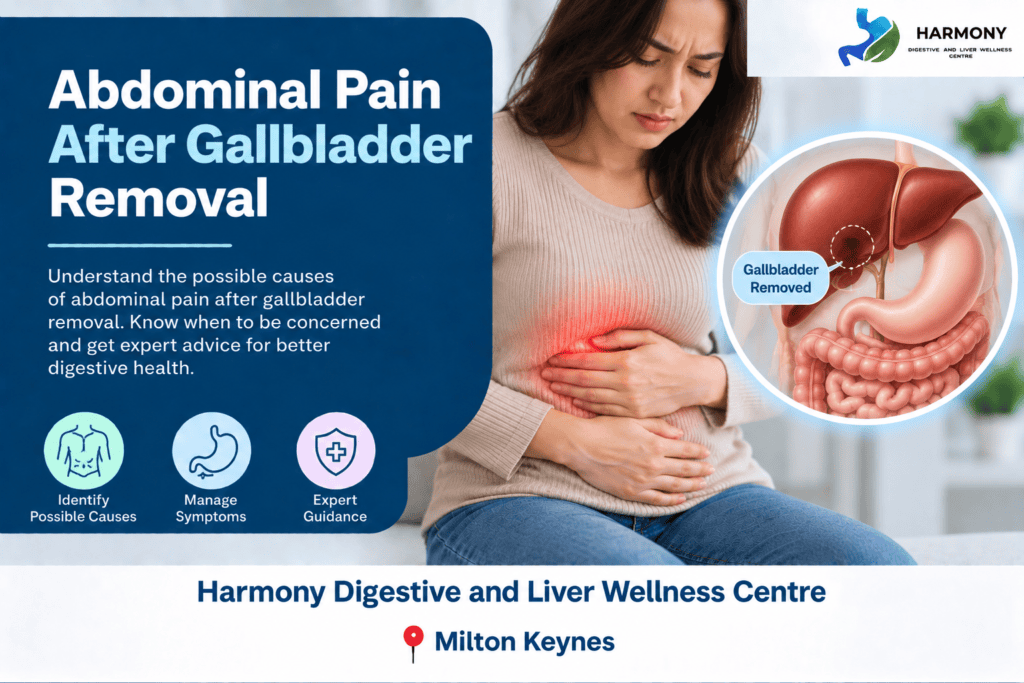
“Is it normal to have pain after gallbladder removal?” Dr Arjun Prakash says:“Yes – some discomfort is completely normal in the first few days and weeks after surgery. What I worry about is pain that is severe, persistent, worsening, or comes back months later.” Early after surgery (days to a few weeks) It’s common to have: Aching around the keyhole wounds Shoulder-tip pain (from gas used during keyhole surgery) General soreness when moving, coughing, or taking a deep breath Mild bloating or temporary bowel habit changes This usually improves steadily over 2–6 weeks. Later on (weeks to months) Ongoing or new upper abdominal pain is not always “just post-op pain”. It can be: A minor, self-limiting issue (e.g. indigestion, acid reflux) A bile duct or pancreas problem A completely separate gut condition that wasn’t picked up earlier If you’re still getting significant pain more than 6–8 weeks after surgery, it deserves a proper review. “What is post-cholecystectomy syndrome?” You might see the term “post-cholecystectomy syndrome” (PCS) if you search online. It simply means: Symptoms such as abdominal pain, indigestion, nausea or diarrhoea that occur after the gallbladder has been removed. Dr Arjun Prakash says:“I don’t like the term because it sounds like a diagnosis, but it isn’t. It’s really a label that says:‘You’ve had your gallbladder out and you still have symptoms. We now need to work out why.’” PCS can be due to: A problem in the biliary system (bile ducts, sphincter, retained stones) A pancreas issue Reflux / gastritis / ulcer disease IBS-type bowel sensitivity Something completely unrelated to the gallbladder So the key is not to stop at the label – but to investigate appropriately. “What are the common causes of abdominal pain after gallbladder removal?” 1. Bile duct stones or sludge (retained or recurrent stones) Even after the gallbladder is removed, stones or thick bile sludge may: Remain in the common bile duct from before the operation Form again later on (less common but possible) Typical features: Upper right or central abdominal pain, sometimes severe or colicky Pain may radiate to the back or right shoulder Nausea and vomiting Possible jaundice (yellowing of eyes or skin) Dark urine, pale stools These can lead to bile duct obstruction or pancreatitis, so they mustn’t be ignored. 2. Sphincter of Oddi dysfunction (biliary pain without obvious stones) The sphincter of Oddi is a muscular valve where the bile duct and pancreatic duct empty into the small bowel. If it goes into spasm or doesn’t relax properly, pressure can build up in the ducts. Dr Arjun Prakash says:“This is a more specialist diagnosis – it can cause very gallstone-like attacks even when scans don’t show stones. Careful assessment is vital, because not everyone with this type of pain needs or benefits from invasive procedures.” Symptoms can mimic classic biliary colic: Episodic severe upper abdominal pain Often triggered by food, especially fatty meals Sometimes with nausea, vomiting, or mild blood test abnormalities 3. Acid reflux, gastritis or peptic ulcers Sometimes the original pain gets blamed on gallstones when the true culprit is: GORD (acid reflux) Gastritis (inflammation of the stomach lining) Duodenal or gastric ulcers These can cause: Burning pain in the upper abdomen or chest Pain worse when lying flat, bending, or after certain foods Acid taste in the mouth, regurgitation, or chronic cough A gastroscopy (endoscopy) is often the most direct way to check for these problems. 4. Bile reflux gastritis After the gallbladder is removed, bile flows more continuously into the intestine. In some people, bile can reflux back into the stomach and oesophagus. Features can include: Burning or gnawing pain in the upper abdomen Nausea, bitter taste, or bile in vomit Symptoms not fully controlled by standard acid-reducing medication This often needs a combination of dietary changes, medication, and sometimes tailored endoscopic assessment. 5. Functional abdominal pain / IBS-type symptoms Some patients have a sensitive gut even before surgery. Once the obvious gallstones are treated, the underlying sensitivity remains: Cramping pain Bloating Loose stools or constipation Pain linked to stress, rushing, or certain foods Dr Arjun Prakash says:“People often feel dismissed when they’re told they have IBS or a ‘functional’ problem. But these conditions are real, and we can usually improve them significantly with the right plan – diet, medication and lifestyle changes.” 6. Other causes unrelated to the gallbladder Just because you’ve had gallbladder surgery doesn’t mean every future pain is from the biliary system. Serious conditions that must always be considered include: Pancreatitis Liver disease Stomach or bowel cancer (particularly if you have weight loss, anaemia, or are over 55) Heart problems (upper abdominal pain can sometimes be cardiac) Lung / pleural issues This is why a careful, holistic assessment is more useful than just focusing on the old gallbladder area. “When should I worry about abdominal pain after gallbladder surgery?” Seek urgent medical help (A&E / 999) if you have: Sudden, severe abdominal pain that is worsening or unbearable Fever, shivers, feeling very unwell Yellowing of the eyes or skin (jaundice) Chest pain, shortness of breath, or pain going into the arm / jaw Persistent vomiting or inability to keep fluids down Arrange a prompt specialist review if you notice: Pain persisting beyond 6–8 weeks after surgery Pain that is coming back in “attacks” New pain after a period of feeling well post-op Unexplained weight loss, poor appetite, or ongoing nausea Changes in bowel habits (new diarrhoea or constipation) Anaemia, low iron, or abnormal liver / pancreas blood tests “What tests might I need for ongoing pain after gallbladder removal?” The exact tests depend on your story, examination and bloods, but may include: Blood tests – liver function, pancreas enzymes, inflammatory markers, iron, coeliac screen Abdominal ultrasound – to check bile ducts, liver and pancreas MRCP (specialised MRI of bile ducts) – for detailed bile duct and pancreatic duct imaging Gastroscopy (endoscopy) – to look for reflux, gastritis, ulcers or bile reflux CT scan – if we’re concerned about
What are the Signs of Poor Gut Health? Identifying the Warning Signals
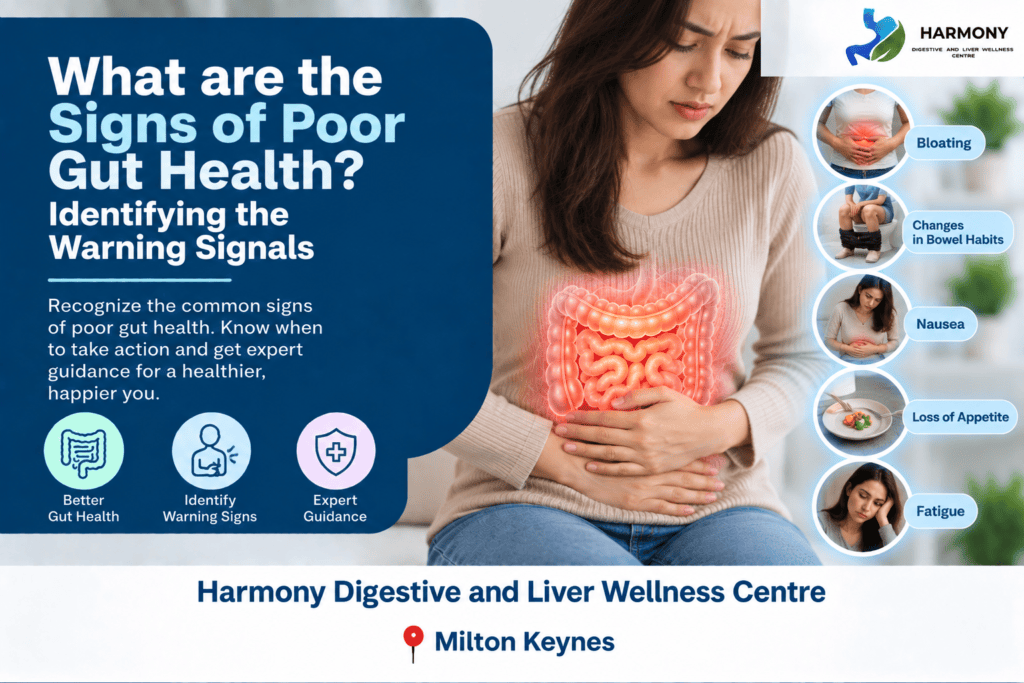
Your gut plays a major role in digestion, immunity, energy, and even mental well-being. When it functions smoothly, you feel lighter, more energetic, and more balanced. But when something goes wrong, your body sends clear signals. Being aware of the signs of poor gut health allows you to protect your digestion before problems grow. At Harmony Liver and Digestive Wellness Centre, we help patients follow practical habits that support better gut function. Why Gut Health Matters Your gut is home to billions of helpful bacteria that digest food, absorb nutrients, and defend your body from harmful germs. When this balance shifts, digestion becomes sluggish, inflammation rises, and your overall health is affected. Recognising the signs of poor gut health helps you act early and prevent bigger issues. Digestive Discomfort and Bloating One of the most common signs of poor gut health is ongoing digestive discomfort. You may notice frequent bloating, gas, constipation, diarrhoea, or stomach cramps. These symptoms show that your gut bacteria are struggling. If these problems happen often, your gut may need support through better diet, hydration, or professional care. Fatigue and Low Energy When your gut cannot absorb nutrients properly, your energy levels drop. Constant tiredness, even after good sleep, can be one of the overlooked signs of poor gut health. Poor digestion means your body receives less fuel, making you feel weak, sluggish, or unable to focus. Skin Issues and Allergies Your skin acts like a mirror for your internal wellness. Breakouts, itchy rashes, eczema, or unexpected food reactions may be your body’s way of showing that the gut is inflamed. This usually happens when harmful bacteria start overpowering the beneficial ones. When these skin changes occur with digestion troubles, they are strong signs of poor gut health. Mood Changes and Anxiety The gut and brain communicate constantly. If your gut is inflamed or unbalanced, you may experience mood swings, irritability, or anxiety. Many people do not realise that mental changes may be connected to digestion, but this is one of the more subtle signs of poor gut health. Unexplained Weight Changes Most of us don’t immediately link mental changes to digestion, yet these shifts can actually be early signs of poor gut health. Poor gut health affects metabolism, appetite, and cravings. If your weight changes without major lifestyle differences, it may be another one of the important signs of poor gut health. When to Seek Help If these symptoms continue or disrupt your daily life, it’s time to speak to a digestive specialist. At Harmony Liver and Digestive Wellness Centre, we offer personalised assessments, dietary guidance, advanced diagnostics, and treatment plans that help restore gut balance safely and naturally. The Bottom Line Your gut sends clear warnings when something is wrong. Paying attention to the signs of poor gut health helps you take action early and protect your long-term well-being. With a few mindful lifestyle habits and the right guidance when required, you can restore balance in your digestive system and take charge of your overall health again. Book a consultation or screening today: Click Here. To book a private liver consultation or second opinion, Get in touch with us. Had a great experience with us? We’d love to hear your thoughts! Click here to leave a Google review.