 Skip to main content

IBS and Constipation: Understanding the Connection
Constipation remains one of the most frequently reported digestive complaints in everyday clinical practice. When it occurs alongside irritable bowel syndrome (IBS), symptoms can feel unclear and challenging to manage properly. Many people are diagnosed with IBS yet continue to experience mainly infrequent or difficult bowel movements. Understanding the link between IBS and constipation helps clarify why symptoms occur and how they can be managed effectively. At Harmony Digestive and Liver Wellness Centre, many patients are seen who feel frustrated by long-standing constipation that does not respond to simple remedies. This guide explains the connection in a clear and reassuring way. What is IBS with constipation? As a functional bowel disorder, IBS does not usually show abnormalities on tests, yet normal bowel function is impaired. When constipation is the dominant feature, this subtype is called IBS-C, and symptoms commonly include infrequent bowel movements, hard stools, and straining. The connection between IBS and constipation involves altered bowel movement patterns, increased gut sensitivity, and disruptions in gut–brain interaction. Common symptoms of IBS and constipation People affected by IBS and constipation may experience: Fewer than three bowel movements per week. Hard or lumpy stools. Straining during bowel movements. Abdominal pain or cramping. Bloating and discomfort. A feeling of incomplete emptying. Pain is often relieved after opening the bowels, which helps distinguish IBS-related constipation from other causes. Why constipation occurs in IBS In IBS, the muscles of the bowel may contract more slowly than usual. This allows stool to remain in the colon for longer, where more water is absorbed, leading to harder stools. Increased sensitivity of the gut can also make normal bowel activity feel painful. Stress, hormonal changes, diet, dehydration, and reduced physical activity are known to worsen IBS and constipation symptoms. How the condition is diagnosed There is no single test for IBS. Diagnosis is usually made based on symptoms and by excluding other conditions. Blood tests, stool tests, or imaging may be recommended to exclude concerns such as inflammatory bowel disease, coeliac disease, or bowel cancer. At Harmony Digestive and Liver Wellness Centre, we follow a careful and structured assessment to make sure that IBS is diagnosed correctly. This helps to reduce unnecessary anxiety and uncertainty for the patients. Treatment options for IBS and constipation Treatment varies from person to person, but symptoms often improve with an individualised plan. Management options may involve: Careful fibre modification Adequate hydration Stool-softening osmotic laxatives Medicines to regulate bowel activity Tailored diets, including a modified low FODMAP approach Ongoing review helps fine-tune treatment over time. Lifestyle changes that support bowel regularity A steady routine that includes regular meals, light movement, and stress management is often recommended. Sudden or major dietary changes can lead to bloating and added discomfort. Final word Living with IBS and constipation can feel overwhelming, but effective help is available. Accurate evaluation and tailored treatment can reduce symptoms and restore daily comfort. At Harmony Digestive and Liver Wellness Centre, patients are supported with clear information and steady care throughout their treatment journey. Book a consultation or screening today: Click Here. To book a private liver consultation or second opinion, Get in touch with us. Had a great experience with us? We’d love to hear your thoughts! Click here to leave a Google review.
Signs of Gluten Intolerance: How to Recognise the Symptoms
Many people feel bloated, uncomfortable, or “off” after meals, but they can’t figure out why. One possible reason could be gluten, a protein found in wheat, barley, and rye. Gluten intolerance can create real and frustrating symptoms. Understanding the signs of gluten intolerance can help you notice patterns and get the right support. At Harmony Digestive and Liver Wellness Centre, we meet a lot of patients who think that gluten may be affecting their digestion but are unsure. What is gluten intolerance? Gluten intolerance is also known as non-coeliac gluten sensitivity. It happens when your body reacts poorly to gluten, even though tests for coeliac disease come back normal. In other words, you may feel unwell after eating gluten, but your immune system doesn’t attack your intestine the way it does in coeliac disease. Because there is no single test for gluten intolerance, recognising the Signs of Gluten Intolerance often depends on tracking symptoms carefully. Digestive symptoms to look out for Digestive issues are the most common clue. Many people notice symptoms after eating foods like bread, pasta, biscuits, or baked items. Common digestive Signs of Gluten Intolerance include: bloating or excessive gas. stomach pain or cramps. diarrhoea or loose stools. constipation (in some cases). nausea or feeling heavy after meals. These symptoms may appear within a few hours, or even the next day. Some people notice symptoms come and go, depending on how much gluten they eat. Non-digestive symptoms that can happen too Gluten intolerance doesn’t always stay in the stomach. Some people experience symptoms that seem unrelated, which can delay diagnosis. Non-digestive Signs of Gluten Intolerance may include: tiredness or low energy headaches or “brain fog” joint or muscle aches skin rashes or itching mood changes, such as irritability Because these symptoms also occur in other conditions, people sometimes ignore gluten as a possible trigger. How it differs from coeliac disease Coeliac disease is an autoimmune condition. Gluten causes the body to attack the small intestine, which can lead to nutrient deficiencies, anaemia, weight loss, and long-term health problems. Gluten intolerance does not damage the intestine, but symptoms can still feel very similar. That’s why doctors usually test for coeliac disease before making dietary changes. This step matters when exploring the Signs of Gluten Intolerance. How doctors assess gluten intolerance There is no quick test that confirms gluten intolerance. Doctors usually: rule out coeliac disease and wheat allergy through blood tests. recommend a supervised gluten-free trial (elimination diet). monitor symptom improvement and reactions when gluten returns. At Harmony Digestive and Liver Wellness Centre, we carefully guide patients to avoid unnecessary restrictions and get balanced nutrition. Managing gluten intolerance safely When symptoms ease after cutting down gluten, the aim is lasting relief while maintaining balanced nutrition. Many people can handle gluten in small quantities. Professional guidance helps you manage the Signs of Gluten Intolerance safely while still eating a healthy, varied diet. Final word Ongoing digestive discomfort along with fatigue or brain fog can feel overwhelming. Identifying the Signs of Gluten Intolerance gives you a clearer way forward. At Harmony Digestive and Liver Wellness Centre with proper testing, careful tracking, and customised care, many people experience real relief. Book a consultation or screening today: Click Here. To book a private liver consultation or second opinion, Get in touch with us. Had a great experience with us? We’d love to hear your thoughts! Click here to leave a Google review.
Essential Vitamins for Liver Health for Optimal Function

Your liver works quietly in the background every day, but it does some of the most important jobs in your body. It filters toxins, processes food, stores nutrients, supports digestion, and helps control your energy levels. So when the liver doesn’t work well, your whole body can start to feel off—tiredness, poor appetite, digestive issues, and more. That’s why many people want to know if vitamins really help. At Harmony Liver and Digestive Wellness Centre, patients often ask, “Do I need supplements for my liver?” The answer depends on your diet, lifestyle, and health condition. This guide explains the role of Vitamins for Liver Health in a simple and practical way. Why vitamins matter for liver health The liver uses vitamins to run hundreds of internal processes every day. These nutrients help the liver: break down fats, proteins, and carbs protect liver cells from damage support detoxification (removing harmful substances) manage inflammation and repair tissue A person may develop vitamin deficiencies due to a poor diet, digestive disorders, alcohol intake, or chronic liver disease. In such cases, Vitamins for Liver Health become even more important. Vitamin A and liver function Vitamin A supports your immune system and helps the body repair cells. The liver stores Vitamin A and releases it when the body needs it. However, Vitamin A needs balance. Too little can weaken immunity, but too much can actually harm the liver. That’s why anyone with liver problems should not take Vitamin A supplements without medical guidance. B vitamins and energy levels B vitamins help the liver in many ways. They support: energy production liver enzyme activity fat and protein breakdown red blood cell health B1, B6, B12, and folate are especially important. Many people with alcohol-related liver problems or poor nutrition show low B vitamin levels. Among Vitamins for Liver Health, B vitamins play a major role in reducing tiredness and improving daily energy. Vitamin D and liver health Vitamin D does more than support bones. It also helps regulate immunity and inflammation—both closely linked with liver health. Doctors often notice low Vitamin D levels in people with liver disease. Some studies show that deficiency may relate to worse outcomes in long-term liver conditions. Correcting low Vitamin D is often part of a liver care plan, which highlights how important Vitamins for Liver Health can be beyond digestion. Vitamin E for cell protection Vitamin E works as a strong antioxidant. That means it protects liver cells from oxidative stress, which can worsen liver inflammation and scarring. Some research suggests that Vitamin E may help selected people with non-alcoholic fatty liver disease. But it does not suit everyone, and high doses can cause side effects in some patients. A specialist should always guide Vitamin E use. Should you take supplements for liver health? Not always. Many people get enough Vitamins for Liver Health through food alone. A healthy diet usually gives the liver everything it needs. Supplements can help in some cases. Blood tests can confirm which vitamins you actually need, and in what dose. Conclusion Vitamins support the liver in many ways and vitamins for liver health include nutrition, tests, and targeted supplements. At Harmony Digestive and Liver Wellness Centre, with expert care and right lifestyle choices, you can support your liver safety and improve overall well-being. Book a consultation or screening today: Click Here. To book a private liver consultation or second opinion, Get in touch with us. Had a great experience with us? We’d love to hear your thoughts! Click here to leave a Google review.
Common Gastric Problems You Should Not Ignore
Most people feel stomach discomfort at some point due to overeating, stress, or irregular meals. While this usually settles on its own, symptoms that keep coming back or interfere with daily routines may signal Common Gastric Problems that should not be ignored. At Harmony Digestive and Liver Wellness Centre, many patients tell us about similar concerns such as bloating that never fully settles, burning pain after meals, or nausea that comes and goes without any reason. Understanding what these symptoms mean can help you decide when to seek medical advice. What are gastric problems? Gastric problems involve disturbances in stomach function, including acid production, digestion, and lining protection. Common Gastric Problems may vary from minor irritation to conditions that require ongoing care. Identifying the cause early often leads to better outcomes. Indigestion and gastritis Indigestion often causes upper abdominal discomfort, fullness, nausea, or burping after meals. It commonly links to eating habits, stress, or excess stomach acid. Gastritis, on the other hand, involves inflammation of the stomach lining and may cause burning pain, bloating, or nausea. Gastritis affects the stomach lining and can feel more intense. People may experience a burning sensation, discomfort, or bloating even with small meals. As one of the common gastric problems, gastritis can be caused by bacterial infections, long-term medication use, alcohol, or stress. Addressing it early helps prevent worsening symptoms. Acid reflux and heartburn Acid reflux happens when stomach acid flows back into the food pipe. People often describe a burning sensation in the chest or throat, sour taste, or discomfort after eating. Frequent reflux is one of the most common gastric problems, especially in people with irregular meal patterns, obesity, or having high stress. Ongoing reflux should not be ignored, as it may irritate the oesophagus and lead to further issues. Stomach ulcers Stomach ulcers are open sores that develop in the stomach lining. They can cause dull or burning pain, especially on an empty stomach, along with nausea or bloating. Some ulcers remain silent until complications appear. Among common gastric problems, ulcers need careful medical assessment, as untreated ulcers may bleed or perforate. Functional stomach disorders Sometimes, tests appear normal, but symptoms persist. Functional disorders involve how the stomach works rather than visible damage. People may experience early fullness, nausea, or discomfort without a clear cause. These conditions often relate to gut sensitivity and stress. When should you see a specialist? You should consider medical advice if you notice: Ongoing stomach pain or burning. Repeated nausea or vomiting. Unexplained weight loss. Black stools or vomiting blood. Symptoms that disturb sleep or daily routines. These warning signs may indicate common gastric problems that benefit from timely investigation. How gastric problems are assessed Doctors may recommend blood tests, breath tests, stool tests, endoscopy, or imaging to understand symptoms clearly. At Harmony Digestive and Liver Wellness Centre, investigations focus on accuracy while keeping patient comfort a priority. Final word An occasional uneasy feeling in the stomach is usually nothing to worry about. But when symptoms interfere with sleep, work, or eating habits, they deserve proper evaluation and many common gastric problems improve with timely evaluation and correct treatment. Book a consultation or screening today: Click Here. To book a private liver consultation or second opinion, Get in touch with us. Had a great experience with us? We’d love to hear your thoughts! Click here to leave a Google review.
Understanding IBS Symptoms and Treatment Options
Irritable bowel syndrome, commonly known as IBS, is a long-term digestive condition that affects how the bowel functions. It is estimated that up to one in five people in the UK experience IBS at some point in their lives. Although it does not cause permanent damage to the bowel, the symptoms can be distressing and disruptive. Understanding IBS symptoms and treatment options helps people feel more in control of their digestive health. At Harmony Digestive and Liver Wellness Centre, many patients are seen who have struggled with ongoing bowel symptoms without clear answers. This guide explains IBS in a clear and reassuring way. What is irritable bowel syndrome (IBS)? IBS symptoms and treatment IBS is described as a functional bowel disorder. This means that the bowel looks normal on tests, but it does not work as smoothly as it should. Problems with gut sensitivity, movement of the bowel, and communication between the gut and brain are believed to play a role. IBS is often diagnosed after other conditions have been excluded. Clear knowledge of IBS symptoms and treatment allows unnecessary worry to be reduced. Common IBS symptoms to be aware of A wide range of symptoms may be experienced, and these often vary from person to person. The most common include: Abdominal pain or cramping. Bloating and excess gas. Diarrhoea, constipation, or a mix of both. Relief of pain after opening the bowels. Mucus in stools. Symptoms are often triggered by stress, certain foods, or hormonal changes. While IBS does not lead to cancer or inflammatory bowel disease, the impact on daily life can be significant. Recognising IBS symptoms and treatment needs early support. How IBS is diagnosed? There is no single test for IBS. Diagnosis is usually made based on symptoms and medical history. Blood tests, stool tests, or scans may be arranged to rule out other digestive conditions. At Harmony Digestive and Liver Wellness Centre, we carefully check for the presence of IBS with the help of the above mentioned tests. IBS treatment options explained There is no single cure for IBS, but symptoms need to be managed. IBS affects everyone, so personalised plans are made for every patient. Understanding IBS symptoms and treatment helps set realistic expectations. Treatment may include: Dietary changes, such as adjusting fibre intake or following a low FODMAP diet. Medications to relieve diarrhoea, constipation, or abdominal pain. Stress management techniques, including relaxation or gut-directed therapies. Probiotics, in selected cases. Treatment is often reviewed and adjusted over time to find what works best. When specialist support is helpful A specialist consultation is necessary if symptoms change suddenly, become worse, or include red flags such as weight loss, bleeding, or night-time symptoms. These features are not typical of IBS and require further investigation. Taking expert guidance makes sure that IBS symptoms and treatment is done safely and appropriately. Final word IBS is a common but often misunderstood. With the right diagnosis, reassurance, and tailored care, symptoms can be decreased and confidence restored. At Harmony Digestive and Liver Wellness Centre, patients receive clear guidance and continuous support to manage IBS in a practical manner. Book a consultation or screening today: Click Here. To book a private liver consultation or second opinion, Get in touch with us. Had a great experience with us? We’d love to hear your thoughts! Click here to leave a Google review.
Understanding Problems With Digestive Tract
Many people live with stomach or bowel discomfort for months—or even years—before seeking help. Bloating, pain, irregular bowel habits, or nausea often get brushed off as “something I ate” or “just stress.” Over time, these symptoms can start affecting daily life. Understanding problems with digestive tract helps you recognise when your gut needs attention and when specialist care can make a real difference. At Harmony Digestive and Liver Wellness Centre, we often meet patients who feel frustrated, confused, or worried about ongoing digestive symptoms. This guide explains what may be happening in clear, practical terms. What are problems with the digestive tract? The digestive tract includes the oesophagus, stomach, intestines, liver, gallbladder, and pancreas. Problems with digestive tract occur when one or more of these organs stop working smoothly. This disruption can affect how food moves, breaks down, or gets absorbed. Some conditions develop suddenly, while others build slowly over time. Many cause vague symptoms at first, which makes them easy to ignore. Common symptoms people notice Digestive symptoms vary, but many people experience: Persistent bloating or excess gas. Abdominal pain or discomfort. Heartburn or acid reflux. Constipation or diarrhoea. Feeling full very quickly. Nausea or poor appetite. Suffering from above issues occasionally is common but continuous or worsening issues show problems with the digestive tract that need assessment. Why digestive problems develop Several everyday factors contribute to digestive trouble. Poor diet, irregular meals, stress, lack of physical activity, and dehydration all affect the digestive system. Long-term medicine use, infections, food intolerances, and hormonal changes can also affect digestion. In some cases, underlying conditions such as irritable bowel syndrome (IBS), gastritis, gallbladder disease, coeliac disease, liver conditions, or inflammatory bowel disease explain the symptoms. Identifying the cause remains the key to effective treatment. When symptoms should not be ignored Certain warning signs suggest more serious problems with digestive tract and need prompt medical review: Unexplained weight loss. Blood in stools or black stools. Ongoing vomiting. Difficulty swallowing. Severe or persistent abdominal pain. Symptoms that disturb sleep. Early evaluation helps rule out serious disease and offers reassurance when tests come back normal. How digestive problems get investigated Doctors begin with a detailed discussion about symptoms, diet, lifestyle, and medical history. Blood tests, stool tests, and imaging may follow. In some cases, endoscopy or colonoscopy helps directly examine the digestive tract. At Harmony Digestive and Liver Wellness Centre, investigations focus on clarity and comfort. The aim is to understand the full picture rather than treat symptoms in isolation. Managing problems with the digestive tract Management of the problem is based on the cause, but simple changes that can help are: Eat regular, balanced meals. Increase fibre gradually when appropriate. Stay hydrated throughout the day. Reduce ultra-processed and trigger foods. Manage stress and improve sleep. Final word Living with digestive discomfort does not need to become normal. Many problems with digestive tract respond well to the right diagnosis and personalised care. Listening to your body and seeking help early can restore comfort, confidence, and long-term gut health. Book a consultation or screening today: Click Here. To book a private liver consultation or second opinion, Get in touch with us. Had a great experience with us? We’d love to hear your thoughts! Click here to leave a Google review.
Common Stomach Problems and Their Symptoms You Should Know
Stomach discomfort affects people of all ages. Some problems feel mild and short-lived, while others persist and disrupt daily life. Many people ignore early symptoms, hoping they will settle on their own. Understanding common stomach problems helps you recognise warning signs early and take the right steps toward relief. At Harmony Liver and Digestive Wellness Centre, we see patients every day who want clear, reliable information about stomach symptoms and when to seek medical advice. Why stomach problems occur The stomach plays a key role in breaking down food and controlling digestion. Diet choices, stress, infections, medications, and underlying medical conditions can all irritate the stomach lining or affect how it functions. Because of this, common stomach problems often overlap in symptoms, which can make self-diagnosis difficult. Indigestion (Dyspepsia) Indigestion is one of the most common stomach problems. It often causes burning, fullness after meals, nausea, or upper abdominal discomfort. Triggers could be spicy food, overeating, alcohol, and stress. Acid Reflux and Heartburn When stomach acid flows upward into the food pipe, it leads to acid reflux. People may notice burning in the chest, a sour mouth taste, or coughing after eating. These symptoms can worsen at night. As one of the common stomach problems, reflux needs medical attention if it happens often or affects rest. Gastritis Gastritis involves inflammation of the stomach lining. Infection with Helicobacter pylori, regular painkiller use, alcohol, or stress can cause this condition. Symptoms include burning pain, nausea, vomiting, and early fullness. Untreated gastritis can lead to ulcers, so timely assessment matters. Stomach Ulcers Ulcers develop when acid damages the stomach lining. People often feel a gnawing or burning pain that improves or worsens with food. Black stools, vomiting blood, or sudden severe pain require urgent medical care. Although ulcers are less common than other common stomach problems, early treatment prevents complications. Gastroenteritis (Stomach Infection) Viral or bacterial infections irritate the stomach and intestines. Gastroenteritis causes diarrhoea, vomiting, cramps, fever, and dehydration. Most infections resolve within days, but persistent symptoms or severe dehydration require medical support, especially in older adults. Functional Stomach Disorders Some people experience stomach discomfort without any disease. These disorders can cause problems such as bloating, nausea, and pain. These conditions form an important part of stomach problems seen in specialist clinics. When stomach symptoms need attention You should seek medical advice if you notice: Persistent or worsening pain Unexplained weight loss Difficulty swallowing Vomiting blood or black stools Symptoms lasting longer than two weeks These signs do not always indicate serious disease, but they do require proper evaluation. How specialists assess stomach problems To investigate common stomach problems, doctors may suggest: Blood tests. Stool tests. Breath tests for pylori. Ultrasound Endoscopy At Harmony Liver and Digestive Wellness Centre, specialists choose tests carefully and explain findings clearly. Final word Stomach symptoms are common, but they should never be ignored when they persist or worsen. Understanding common stomach problems allows you to act early, reduce discomfort, and protect long-term digestive health. With accurate diagnosis and tailored care, most stomach conditions respond well to treatment and lifestyle changes. Book a consultation or screening today: Click Here. To book a private liver consultation or second opinion, Get in touch with us. Had a great experience with us? We’d love to hear your thoughts! Click here to leave a Google review.
Problems With Digestion: When to See a Digestive Specialist
Digestive issues can affect anyone. Occasional bloating or mild indigestion are of no concern. But continuous problems with digestion can impact daily life and may point to a digestive or liver condition that needs medical attention. At Harmony Liver and Digestive Wellness Centre, we often see patients who have been suffering with symptoms for months, thinking they are normal. Understanding when digestive symptoms cross that line helps people seek care at the right time. What are common problems with digestion? Problems with digestion cover a wide range of symptoms. Some feel mild, while others interfere with eating, sleep, and energy levels. Common issues include: Persistent bloating or excessive gas. Upper abdominal discomfort or burning. Frequent nausea. Changes in bowel habits, such as diarrhoea or constipation. Feeling too full after small meals. Acid reflux. Stress, diet, and lifestyle habits can lead to such conditions, but having digestive issues regularly indicate a medical cause. Why digestion becomes disrupted The digestive system depends on coordinated movement, enzyme release, healthy gut bacteria, and balanced hormones. Disturbance in any of these processes can cause problems with digestion. Possible causes include: Gastritis or reflux. Food intolerances, including lactose or gluten sensitivity. Irritable bowel syndrome (IBS). Infections of the gut. Inflammatory bowel disease. Gallbladder or liver-related conditions. Age, medications, alcohol intake, and long-term stress can also worsen symptoms over time. When digestive symptoms should not be ignored Light issues settle with simple changes in diet. However, certain warning signs mean problems with digestion need specialist review. You should seek medical advice if you notice: Symptoms lasting longer than three to four weeks. Unexplained weight loss. Difficulty swallowing. Persistent vomiting or nausea. Blood in stools or black stools. Ongoing abdominal pain. These features do not always indicate serious disease, but they do require proper assessment. How a digestive specialist helps A digestive specialist looks beyond surface symptoms. At Harmony Liver and Digestive Wellness Centre, assessment starts with a detailed discussion about diet, lifestyle, medical history, and symptom patterns. Tests for digestive issues include: Blood and stool tests. Breath tests for intolerance or infection. Ultrasound or other imaging. Endoscopy or colonoscopy. This structured approach identifies the cause of problems with digestion and avoids unnecessary treatments. Can lifestyle changes help digestion? Many digestive conditions respond well to targeted lifestyle adjustments once the cause is clear. These may include: Regular, balanced meals. Reducing ultra-processed and high-fat foods. Managing stress and sleep patterns. Adjusting fibre intake based on symptoms. Reviewing long-term medications. Importantly, changes work best when guided by an accurate diagnosis rather than guesswork. Why early assessment matters When problems with digestion are ignored, it can lead to worsening of symptoms and anxiety. Timely tests provide reassurance if tests are normal and on-time treatment when there is any issue. Final word Digestive discomfort should not become part of everyday life. Persistent problems with digestion deserve clear answers and practical solutions. With specialist support from Harmony Liver and Digestive Wellness Centre, many patients regain comfort, confidence, and long-term digestive health. Book a consultation or screening today: Click Here. To book a private liver consultation or second opinion, Get in touch with us. Had a great experience with us? We’d love to hear your thoughts! Click here to leave a Google review.
Common Bowel Problems in the Elderly and How to Manage Them
Bowel health often changes with age. Many older adults experience digestive symptoms that affect comfort, confidence, and quality of life. While some changes feel like a normal part of ageing, others signal treatable conditions. Understanding common bowel problems in the elderly helps families and patients recognise what deserves attention and how effective management can improve daily wellbeing. At Harmony Liver and Digestive Wellness Centre, we regularly support older patients who want clear, practical guidance about bowel symptoms without alarm or confusion. Why bowel problems become more common with age As people age, digestion may change due to slower gut movement, weaker muscles, long-term medicines, less exercise, and dehydration. These factors explain why common bowel problems in the elderly appear more frequently after the age of 60. Constipation Constipation remains the most frequent issue among common bowel problems in the elderly. People may pass stools less often, strain, or feel incomplete emptying. Common causes of constipation are: Low fibre intake. Reduced fluid intake. Limited mobility. Painkillers, iron tablets, or blood pressure medicines. Management focuses on regular meals, adequate hydration, gentle daily movement, and fibre-rich foods. Doctors may suggest laxatives when lifestyle changes do not help. Diarrhoea and loose stools Loose stools often surprise older adults, especially when they appear suddenly. Persistent diarrhoea needs medical review, as dehydration and weight loss can develop quickly in older people. Among common bowel problems in the elderly, unexplained diarrhoea should never be ignored. Faecal incontinence Loss of bowel control can feel embarrassing, so many people stay silent. It may result from weak pelvic muscles, nerve issues, or bowel conditions. Symptoms improve with the right treatment and specialist support. Irritable bowel syndrome (IBS) IBS does not affect only younger adults. Many older people experience abdominal pain, bloating, and alternating bowel habits. Stress, food triggers, and gut sensitivity play a role. IBS does not damage the bowel but can affect the daily routine. IBS forms an important part of common bowel problems in the elderly, especially when other causes have been excluded. Bowel cancer and inflammatory conditions The risk of bowel cancer increases with age. Symptoms such as ongoing bowel habit changes, blood in stools, unexplained weight loss, or persistent abdominal pain need urgent assessment. Inflammatory bowel conditions can also appear later in life, although they are less common. Early investigation improves outcomes and provides reassurance when serious disease is excluded. How bowel problems get assessed To evaluate common bowel problems in the elderly, doctors may recommend: Blood tests Stool tests Imaging such as ultrasound or CT Colonoscopy or flexible sigmoidoscopy At Harmony Liver and Digestive Wellness Centre, assessments focus on clarity, comfort, and age-appropriate care. Managing bowel health in later life Simple steps often make a meaningful difference: Eat regular, balanced meals Increase fibre gradually Drink fluids consistently Stay physically active Review long-term medications Final word Bowel symptoms do not belong to “just getting older.” Many common bowel problems in the elderly respond well to early evaluation and tailored management. With the right support, older adults can maintain comfort, dignity, and digestive health well into later life. Book a consultation or screening today: Click Here. To book a private liver consultation or second opinion, Get in touch with us. Had a great experience with us? We’d love to hear your thoughts! Click here to leave a Google review.
Bloating in Stomach – When a “Full Tummy” Stops Feeling Normal
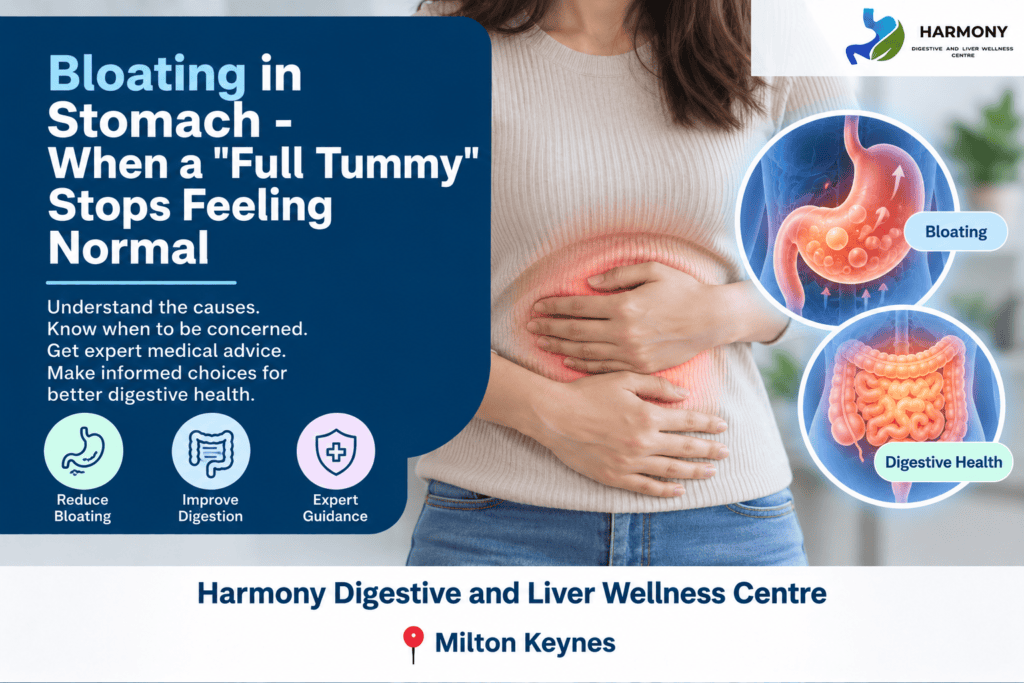
Most people recognise the feeling of being bloated after a big meal or a fizzy drink. That usually settles and life moves on. What I see in clinic is more than that. People describe waking up with a reasonably flat abdomen and, by late afternoon, feeling as if they are wearing a size smaller around the waist. Some talk about a constant internal pressure, others about sharp discomfort, gurgling and a sense of being “inflated” even when they are trying hard to eat sensibly. If you are noticing this most days, it can start to affect what you wear, what you eat and what you feel able to plan. That is usually the point at which a more structured look at things becomes worthwhile. My aim here is to explain how I think about bloating: what I listen for in the story, what I might investigate, how IBS and SIBO fit in, and how we can put together a plan that is realistic rather than extreme. What “bloating” can actually mean Different people mean different things by bloating, so I always ask you to describe it in your own words. Some notice a clear increase in abdominal size as the day goes on, sometimes so marked that clothes feel tight or uncomfortable. Others feel a firm, pressurised sensation inside the abdomen, with relief after opening bowels or passing wind. For some, bloating comes with pain; for others, it is more of a dull heaviness. The timing can be helpful. Bloating straight after meals, late in the day, overnight, or first thing in the morning all point in slightly different directions. So does the relationship to bowel habit – loose, constipated, alternating, or apparently normal. Those details help to decide whether we are dealing with something like IBS, coeliac disease, SIBO, slow transit, functional bloating, or occasionally something more serious. When is bloating worth investigating? Short-lived bloating that eases with a bit of common sense around diet or portion size usually does not need specialist input. I become more interested when: The bloating is present most days, for several weeks or months. You describe a clear change from how your abdomen used to feel. There is associated weight loss, blood in the stool, fever, night sweats or ongoing diarrhoea. Blood tests have shown low iron or anaemia. There is a strong family history of bowel disease or bowel cancer. You find yourself choosing clothes, routes and social plans around what your abdomen might do that day. In those situations, it makes sense to move away from guessing and actually work out what is happening. How I assess bloating in clinic The starting point is always a detailed conversation. I will usually ask: When you first noticed a change. Whether anything significant happened around that time (infection, travel, illness, surgery, a period of stress or major life change). How your bowels behave day to day. Whether you see mucus, blood, pale stool or very dark stool. How bloating relates to meals and certain foods. What you have already tried, and what helped or did not help. From there, we can plan sensible investigations. These often include: Blood tests – including full blood count, iron studies, coeliac screening and basic biochemistry. Stool tests where appropriate – for inflammation and sometimes infection. Ultrasound or other imaging if examination or bloods suggest this. Endoscopy or colonoscopy when symptoms, age or risk factors make that appropriate. The idea is not to order every test available, but to use the story and examination to choose investigations that are likely to change what we do next. IBS, a sensitive gut and bloating A large proportion of people with ongoing bloating eventually turn out to have irritable bowel syndrome (IBS) or another functional bowel disorder. In IBS, the wiring of the gut is over-responsive. Normal amounts of gas and stretch, which most people barely notice, can feel uncomfortable or frankly painful. The bowel may speed up, slow down, or oscillate between the two. It often becomes harder to predict what your abdomen will do, which is exhausting in its own right. I look after many people whose lives are constrained by this. They plan journeys around access to toilets, avoid trips, or feel they have to be “on guard” at work or socially because they do not quite trust their gut. When IBS is the main driver, treatment aims to calm the system and restore some predictability. That usually means some combination of: Adjusting the type and amount of fibre rather than simply “eating more fibre”. Considering a short, structured low FODMAP trial with a dietitian, with a clear plan for reintroduction. Using medication to reduce cramping, ease pain, regulate bowel habit or address loose or constipated stool, depending on your pattern. Looking at sleep, stress, activity and simple pacing strategies in a way that fits your life rather than an idealised checklist. Where SIBO breath testing comes in SIBO (small intestinal bacterial overgrowth) is a genuine condition and an important part of the differential in some patients with bloating. In SIBO, bacteria that are usually more concentrated in the large bowel become more prominent in the small bowel. Food is fermented earlier than it should be, which can produce gas, distension, discomfort and sometimes diarrhoea or nutritional issues. I consider SIBO more actively when I see: Prominent upper abdominal bloating, often soon after eating. Excessive gas with discomfort rather than simple wind. Symptoms emerging after certain operations or illnesses that affect gut anatomy or motility. Bloating and diarrhoea that have not responded to well-judged IBS treatment. Specific patterns on bloods or imaging that raise suspicion. The usual non-invasive way to investigate this is a breath test using glucose or lactulose. To be meaningful, the test needs a proper preparation protocol, timed samples and careful interpretation, otherwise the result quickly becomes more confusing than helpful. At our gastroenterology clinic in central Milton Keynes, we offer validated SIBO breath testing using a standardised protocol. I do not test everyone