 Skip to main content

Gut Microbiome Testing: What It Reveals About Your Digestive Health

Our digestive system is a home of millions of tiny organisms. These include good bacteria, fungi and other useful microbes. Together they form the gut microbiome. These microbes help in digestion, immunity and nutrient absorption. Many health problems start when the balance gets disturbed. That is why gut microbiome testing is very important in today’s world. Many people face digestive problems and have symptoms but do not know the exact cause. This test gives deeper insight to gut health. What is Gut Microbiome Testing? This testing is done in a lab where they study the microbes present in your gut. It is usually done by using a stool sample. By using this sample, test is done to see what bacteria are present and in what amount. It is a simple test. Why Gut Bacteria Matter? Good bacteria support various functions in our body. They help in the breakdown of food, production of certain vitamins and also supports the immune system. When harmful bacteria grow too much in our body, problem starts to appear. These include gas, bloating, constipation, loose motions and stomach pain. Some people also feel fatigue and skin issues. Doctors are able to see if this imbalance is present by gut microbiome testing. That makes treatment more accurate. What the Test Can Reveal? You get to know many useful details through this test. It can show bacterial imbalance, it can show low diversity of microbes. It may also show signs of infection or yeast overgrowth. Some reports also provide information telling how well you are able to digest fats and carbohydrates. They may show if gut inflammation markers are high. It can also suggest which food will suit your gut better. This helps in planning diet changes. Who Should Consider This Test? It is not necessary for everyone to take this test. But it is helpful for people with long term digestive issues. It is also useful if symptoms keep coming back. People with IBS-like symptoms, constant bloating or irregular bowel habits may benefit. People who used to take antibiotics a lot in past should also consider taking this test. Antibiotics can disturb gut bacteria balance and create problem in digestive system. These people should take this take to know their gut health and whether it is working well or not. By knowing the results, you can easily start the treatment and make your overall health better. How Results Help Treatment You can make personalized plan according to the results of this test. Doctors may suggest diet changes based on your gut profile. They may recommend specific probiotics or supplements. Some people are advised to reduce certain foods for some time or others may need to increase fibre. Because gut microbiome testing gives detailed data, treatment becomes more targeted. If needed, doctors may advise for more tests. Results are explained properly to the patients so that they can understand their condition. Final word Digestive health affects the whole body. When the gut is balanced, many systems work better. Modern testing now made it easier to understand gut problems in detail. Gut microbiome testing is used to identify imbalances and guides better treatment decisions. For proper evaluation and guided digestive care, you should consult experts at Harmony Digestive and Liver Wellness Centre. Book a consultation or screening today: Click Here. To book a private liver or gut consultation or second opinion, Get in touch with us. Had a great experience with us? We’d love to hear your thoughts! Click here to leave a Google review.
Ultrasound for Liver: Procedure, Purpose & What Results Mean
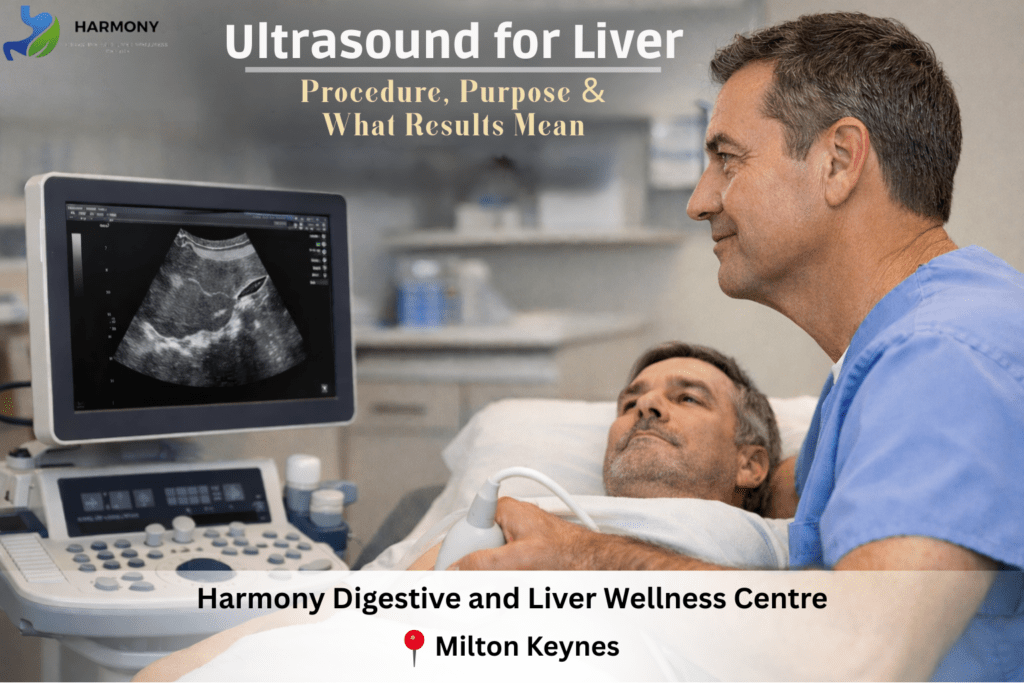
An ultrasound for liver is a very simple and safe test. It is used to check liver health. Doctors see the size, shape and condition of the liver using sound waves. This test is painless and does not use any radiation. It is often advised when a person has liver-related symptoms or abnormal blood test results. The liver is one of the most important organs in our body. It does the digestion, removes toxins from the blood and supports many other functions. When the liver is not healthy, it can affect the whole body. An ultrasound helps to find the problems early so that treatment can be done on time. What is Ultrasound for Liver? An ultrasound for liver is an imaging test done by using sound waves to create pictures of the liver. When the pictures appear on a screen, doctors looks at them and check for swelling, fatty liver, cysts, tumours or signs of liver damage. Doctors often use it as the first step to check liver problems as it is quick, safe and easy. Why is Ultrasound for Liver Done? Doctors may suggest for an ultrasound for liver because of many reasons. It is mostly. done when a person has pain on their right side of the stomach, yellow eyes or skin or long-term digestion problems. It is also advised when blood tests show liver problems. This test helps to detect fatty liver, liver infection, liver enlargement, cirrhosis or fluid buildup. It is also useful in tracking liver health during treatment. At Harmony Digestive and Liver Wellness Centre, doctors use ultrasound for understanding the patient’s liver condition clearly. This helps them to understand the condition and give a proper guide. How to Prepare for the Test It is very easy to prepare for an ultrasound for liver. Patients are usually asked not to eat or drink anything for around 6 to 8 hours before the test. This helps get clear images of the liver. Water is somehow allowed but heavy meals should be clearly avoided. Patients are advised to wear loose and comfortable clothes during the test. No injections or medicines are needed for this test. What Happens During the Procedure? The procedure is very simple and does not cause pain. The patient lies on a bed and a clear gel is applied around the stomach area. This gel helps the sound waves to move properly. A small device called a probe is moved gently over the skin. Through sound waves, images of liver is created on a screen. The test takes 15 to 30 minutes. After the test, the gel is cleaned and the patient can go back to daily activities. Toxins may also build up in blood. It leads to confusion, poor memory and mood changes. Infections can happen more easily. Daily life becomes very hard as the person may feel very weak. Advanced cirrhosis needs close medical care. In some cases, a liver transplant may be discussed. Interpreting Ultrasound Results for Liver Health The results of an ultrasound for liver help doctors understand liver health. When the result looks normal, it means the liver is healthy. If there are problems, then scan will show fatty deposits, swelling, scars, cysts or masses. If needed, doctors may advise for more tests. Results are explained properly to the patients so that they can understand their condition. Is Ultrasound for Liver Safe? Yes, an ultrasound for liver is completely safe. It does not use any radiation and has no side effects. It can be done more than once and is safe for all age groups. Final word An ultrasound for liver is a very useful test. It helps to check liver health in a safe and easy way. By this, early liver problems can be detected. If you have liver-related symptoms, this test can give you helpful answers. At Harmony Digestive and Liver Wellness Centre, doctors focus on early checks, proper treatment with long-term liver care. Patients are guided with easy steps to protect liver health. Book a consultation or screening today: Click Here. To book a private liver or gut consultation or second opinion, Get in touch with us. Had a great experience with us? We’d love to hear your thoughts! Click here to leave a Google review.
Cirrhosis Stages Explained: Early to Advanced Liver Damage
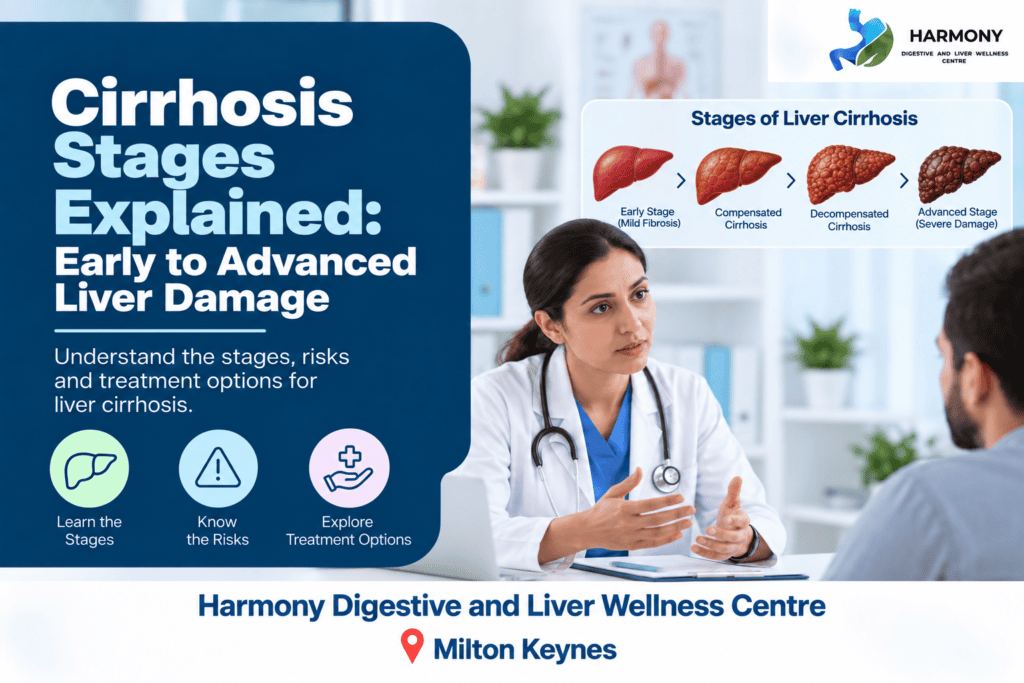
Cirrhosis is a serious problem which grows over the time. It happens when your liver gets damage again and again. In this, healthy tissue turns into hard scar. Due to this, it becomes difficult for the liver to work properly. The liver is a very important organ of our body. It helps to digest, clean toxins from the blood and support the body in many ways. All these steps are affected one by one when cirrhosis happens. Having proper knowledge of cirrhosis stages helps people to understand how liver damage grows and the need for early care. What is Cirrhosis? Cirrhosis starts to grow due to long-term liver damage. It can happen due to many reasons such as fatty liver, hepatitis infection, alcohol use for a long time and liver swelling for many years. The liver tries to heal everytime it gets hurt. But repeated damage causes scars to form. With the growing scar, blood flow inside the liver slows down. Liver stops to function properly. Based on how much damage has occurred, doctors explain the condition using different cirrhosis stages. Early Stage of Cirrhosis The liver damage has started in the early stage. But liver can still do most of its work in this stage. Many people feel normal but some may feel tired, weak or lose their appetite. These are normal signs that most people ignore. Because symptoms are small, people often do not know they have liver damage. Early stage testing is very important as if found early, cirrhosis can be managed well. Easy steps like healthy food, stopping alcohol and regular doctor visits can slow damage. Middle Stage of Cirrhosis More scar tissue are formed in the liver during this stage. The liver starts to face problem with its regular work. At this stage, symptoms become clearly visible. Feet or legs starts swelling and stomach may feel heavy or swollen. This happens due to fluid buildup. The eyes or skin may turn yellow. Digestion may feel uncomfortable and weakness becomes very common. At this point, medical care is needed to control symptoms and prevent serious problems. Advanced Stage of Cirrhosis The last and most serious among cirrhosis stages is the advanced stage. At this stage, the liver is badly damaged and cannot work properly. Large amounts of fluid may collect in the stomach which causes pain and trouble in breathing. Toxins may also build up in blood. It leads to confusion, poor memory and mood changes. Infections can happen more easily. Daily life becomes very hard as the person may feel very weak. Advanced cirrhosis needs close medical care. In some cases, a liver transplant may be discussed. Why Cirrhosis Stages Matter Being aware of the cirrhosis stages helps people notice warning signs early. As early care can reduce the problems and slow liver damage. Blood tests and scans help doctors understand the amount of liver has been affected. Medical help can improve comfort, slow damage and support better health. Final word Cirrhosis may happen slowly but it is a very serious liver disease. By understanding the cirrhosis stages, people can take action at the right time. From early damage to advanced liver problems, each stage needs care and attention. At Harmony Digestive and Liver Wellness Centre, doctors focus on early checks, proper treatment with long-term liver care. Patients are guided with easy steps to protect liver health. Book a consultation or screening today: Click Here. To book a private liver or gut consultation or second opinion, Get in touch with us. Had a great experience with us? We’d love to hear your thoughts! Click here to leave a Google review.
What is Hepatology? The Key Role of Hepatologists in Liver Care
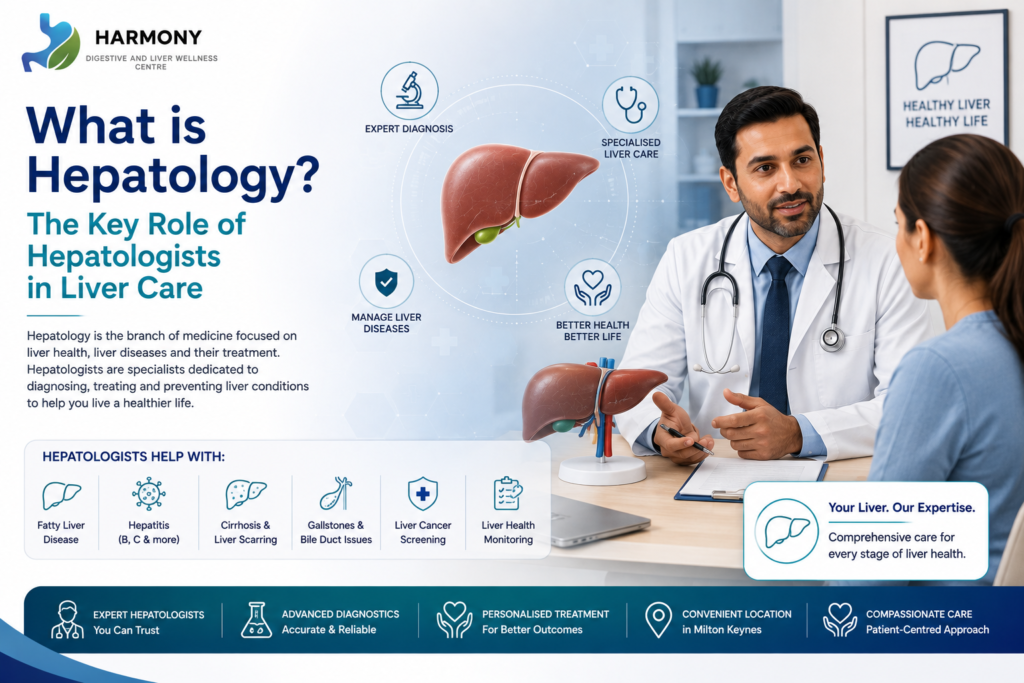
Most people don’t go looking for the word hepatology. It usually shows up on a lab report, or in a doctor’s sentence that starts with, “Your liver tests are a bit off.” That’s when the obvious question hits: what is hepatology, and why do I need a specialist for my liver anyway? Here’s the short version before we get into the details: hepatology is about the liver, and when the liver is unhappy, guessing isn’t enough. So, what is hepatology—really? If you strip it down, hepatology is the medical field focused on the liver and the systems tightly connected to it, like the gallbladder and bile ducts. The liver does a lot more than most people realise—processing toxins, handling fats and sugars, helping with digestion, even playing a role in immunity. When it starts misfiring, symptoms can be subtle or completely misleading. Gastroenterologists look after the whole digestive tract. Hepatologists zoom in on the liver. That narrower focus matters, especially when problems drag on or don’t fit neatly into a textbook pattern. What kind of problems land someone in hepatology? Once you understand what is hepatology, the patient list makes sense. Hepatologists regularly see people with: Fatty liver disease, both alcohol-related and non-alcoholic Viral hepatitis (A, B, or C) Alcohol-related liver damage Liver fibrosis and cirrhosis Autoimmune and genetic liver conditions Persistently abnormal liver enzymes Complications like jaundice, fluid build-up, or unexplained itching Many of these don’t start dramatically. In fact, early liver disease often feels like nothing at all. That’s why timing matters. Seeing the right specialist early can change the entire direction of the disease. How hepatologists actually check the liver People often assume liver care means invasive tests right away. Not true. A big part of answering what is hepatology lies in how methodical the assessment is. A hepatologist usually starts with a deep dive into your history—medications, alcohol intake, weight changes, diet, family history. Blood tests follow, but they’re interpreted in context, not in isolation. Imaging like ultrasound or FibroScan helps assess fat and scarring without needles or surgery. If needed, further tests look for viral, autoimmune, or metabolic causes. The goal isn’t to test everything. It’s to test what makes sense. Why hepatology is often long-term care Liver conditions don’t always come with a neat finish line. Some improve. Some stabilise. Others need monitoring for years. That’s where hepatologists stay involved. They help slow or reverse early damage, prevent progression, manage complications safely, and guide lifestyle changes that actually protect the liver instead of just sounding good on paper. Regular follow-ups aren’t about fear—they’re about staying ahead of problems. When should you consider seeing a hepatologist? You don’t need to wait for severe symptoms. Hepatology input is worth considering if you have ongoing abnormal liver tests, fatty liver or fibrosis, jaundice, unexplained fatigue, viral hepatitis, heavy alcohol use in the past, or a family history of liver disease. Catching liver issues early is one of the few times medicine genuinely gets to be preventative. Final word So, what is hepatology? It’s specialised care for one of the hardest-working organs in your body. At Harmony Digestive and Liver Wellness Centre with the right expertise, many liver conditions can be controlled, improved, and sometimes reversed. The liver is quiet when it’s struggling. Hepatology exists to listen before it’s too late. Book a consultation or screening today: Click Here. To book a private liver or gut consultation or second opinion, Get in touch with us. Had a great experience with us? We’d love to hear your thoughts! Click here to leave a Google review.
Abdominal Pain with Nausea and Diarrhoea: Causes and Treatment Options

Dealing with Abdominal Pain With Nausea and Diarrhoea can be unsettling, especially when it comes on suddenly or refuses to settle after a day or two. Many people brush it off as something they ate or a minor stomach bug and hope it will pass. Sometimes that’s true. If these symptoms keep coming back, worsen, or affect daily life, they may signal a deeper digestive problem. At Harmony Digestive and Liver Wellness Centre, this is a combination of symptoms doctors see almost daily. Most patients want the same thing: a clear explanation of why it’s happening and whether they should be worried. How Abdominal Pain, Nausea, and Diarrhoea Are Interconnected The digestive system doesn’t work in isolation. The stomach, intestines, liver, gallbladder, and even the brain are closely connected. When something irritates or inflames the gut, it rarely causes just one symptom. Abdominal Pain With Nausea and Diarrhoea tends to occur together because the digestive tract reacts as a whole. Pain usually comes from spasms or inflammation in the intestines. Nausea often develops when the stomach lining is irritated or when gut signals affect the brain’s nausea centre. Diarrhoea happens when the intestines move too fast or fail to absorb enough water from food. Common causes to consider There are several reasons why someone may experience Abdominal Pain With Nausea and Diarrhoea. Stomach infections (gastroenteritis) Viral or bacterial infections are a very common cause. Along with pain and loose stools, people may experience fever, vomiting, body aches, and fatigue. While many cases improve within a few days, dehydration can become a problem quickly, especially in children and older adults. Food poisoning or food intolerance Symptoms can start within hours after eating contaminated food. On the other hand, repeated episodes after meals may suggest lactose intolerance, gluten sensitivity, or another food-related issue rather than an infection. Irritable bowel syndrome (IBS) IBS is a frequent cause of recurring abdominal pain and diarrhoea. Nausea may appear during stress, and symptoms often improve after a bowel movement but return later. Inflammatory bowel disease (IBD) Crohn’s disease and ulcerative colitis can cause ongoing abdominal pain with nausea and diarrhoea, along with fatigue, weight loss, or blood in stools. Medical care is needed. Gallbladder or liver-related problems Digestive discomfort, nausea, and loose motions may occur when bile flow is disturbed, especially after heavy or fatty meals. When not to ignore the symptoms Digestive upsets are common, but medical advice is important if symptoms last more than a few days, keep worsening, cause weakness or dehydration, disturb sleep, or are associated with blood in stools or unexplained weight loss. How doctors find the cause Diagnosis usually begins with a detailed discussion about symptoms, diet, travel, and medications. Depending on the case, doctors may suggest blood tests, stool tests, scans, or endoscopy. Treatment and recovery Treatment for Abdominal Pain With Nausea and Diarrhoea depends on the cause. Some cases need rest and fluids, others require diet changes or medicines. Early care helps avoid complications. Final thoughts Though uncomfortable, Abdominal Pain With Nausea and Diarrhoea can often be managed once the cause is clear. At Harmony Digestive and Liver Wellness Centre with proper care, most people feel better and regain confidence in their digestive health. Book a consultation or screening today: Click Here. To book a private liver or gut consultation or second opinion, Get in touch with us. Had a great experience with us? We’d love to hear your thoughts! Click here to leave a Google review.
Private Colonoscopy Near Me in Milton Keynes

If you are considering a private colonoscopy near me , it usually follows one of two situations: either you have a symptom that has not settled, or you have had tests that have raised a question that deserves a clear answer. I am Dr Arjun Prakash, Consultant Gastroenterologist and Endoscopist. At Harmony Digestive and Liver Wellness Centre in central Milton Keynes, I assess patients with bowel symptoms and arrange colonoscopy where it is clinically appropriate. We also offer virtual consultations for patients across the UK and abroad, particularly for second opinions and review of existing results. This page sets out when colonoscopy is typically recommended, what it can detect, and how I approach the decision-making. What is colonoscopy? A colonoscopy is a camera examination of the large bowel (colon). It allows direct inspection of the bowel lining and, where needed, biopsies can be taken. Polyps can often be removed during the same procedure. In practical terms, colonoscopy is used to investigate symptoms such as rectal bleeding, persistent change in bowel habit, diarrhoea, unexplained abdominal symptoms, or iron-deficiency anaemia. It is also used for surveillance in patients with previous polyps, inflammatory bowel disease, or a relevant family history. When is a colonoscopy recommended? A colonoscopy is most commonly considered when symptoms are persistent or when there are features that justify excluding significant bowel disease. Rectal bleeding Bleeding is common and often benign, but the pattern matters. A colonoscopy may be recommended when bleeding is recurrent, unexplained, mixed with stool, or associated with other symptoms such as bowel habit change, weight loss or anaemia. Change in bowel habit A change in bowel habit becomes more relevant when it is sustained and represents a clear change from your baseline. This can include looser stools, increased frequency, new urgency, new constipation, or an alternating pattern that persists. Persistent diarrhoea Ongoing diarrhoea can be due to a range of causes. Colonoscopy can be important to assess for inflammatory bowel disease, and to take biopsies to check for conditions such as microscopic colitis, which may not be visible to the eye. Low iron or iron-deficiency anaemia Iron deficiency needs an explanation. Depending on age, symptoms and other risk factors, colonoscopy is often part of the work-up, alongside assessment of the upper gastrointestinal tract where appropriate. Relevant family history or previous findings If you have a strong family history of bowel cancer, a history of polyps, or inflammatory bowel disease, colonoscopy may be recommended as part of assessment or surveillance. Rectal bleeding, change in bowel habit and low iron These three scenarios account for a large proportion of colonoscopy referrals and private self-referrals. If you have persistent rectal bleeding, a sustained change in bowel habit, or low iron, the aim is not to alarm you. It is to assess properly and avoid months of uncertainty. In many cases we find a benign and treatable cause. In others, a private colonoscopy near me provides reassurance based on a properly completed examination rather than assumptions. What a colonoscopy can detect A colonoscopy can diagnose or help exclude polyps (often removable during the same procedure), diverticular disease, inflammatory bowel disease (ulcerative colitis and Crohn’s disease), microscopic colitis (diagnosed on biopsies even when the bowel looks normal), and causes of rectal bleeding including haemorrhoids and vascular lesions. In a minority of cases it detects bowel cancer. For many patients, the value is having a clear answer and a clear plan, whether the result is normal or abnormal. How I decide whether you need a colonoscopy I do not recommend colonoscopy simply because symptoms are unpleasant. The question is whether the test is likely to answer an important clinical question and change management. My approach is structured: a careful history; review of what has already been done (blood tests, stool tests, imaging, prior endoscopy, biopsy reports and clinic letters); and a targeted plan. This often prevents repetition and ensures the investigation pathway is proportionate. Bowel preparation: how to get a high-quality test The quality of a colonoscopy depends heavily on preparation. If the bowel is not clean, small lesions and polyps can be missed and the procedure may need to be repeated. You will be given detailed instructions on diet and bowel preparation, and we will advise on medication adjustments where relevant. A private colonoscopy near me ensures that good preparation is the difference between a test being completed and a test being completed properly. Sedation and comfort options Most people worry about comfort. It is a reasonable concern. There are different approaches, ranging from minimal sedation through to conscious sedation and analgesia. The appropriate option depends on your medical history, anxiety level, prior experiences and what we anticipate may be required during the procedure. A private colonoscopy near me aim for a calm, controlled procedure with clear communication, and a safe recovery afterwards. Second opinions and review of previous results A common situation is having investigations already done but still feeling uncertain about the diagnosis or what should happen next. A private colonoscopy near me and a second opinion is often the quickest way to make sense of the overall picture. At Harmony, second opinions focus on a full review of existing results (bloods, scans, endoscopy and biopsies), whether the conclusions match the evidence, what if anything is missing, and a clear written plan for next steps. Second opinions can be virtual or face to face, including for patients elsewhere in the UK or abroad. Private Colonoscopy near me : Book a consultation If you have rectal bleeding, a change in bowel habit, persistent diarrhoea, low iron, unexplained abdominal symptoms, or you would like a second opinion on whether a private colonoscopy near me is appropriate, you can request an appointment via: Appointments are available face to face at Harmony Digestive and Liver Wellness Centre (central Milton Keynes) or virtually where appropriate. My aim is to give you a clear explanation, a sensible investigation plan, and an agreed next step. Book a consultation or screening today: Click Here. To book
What Causes Constipation? A Look at Common Triggers
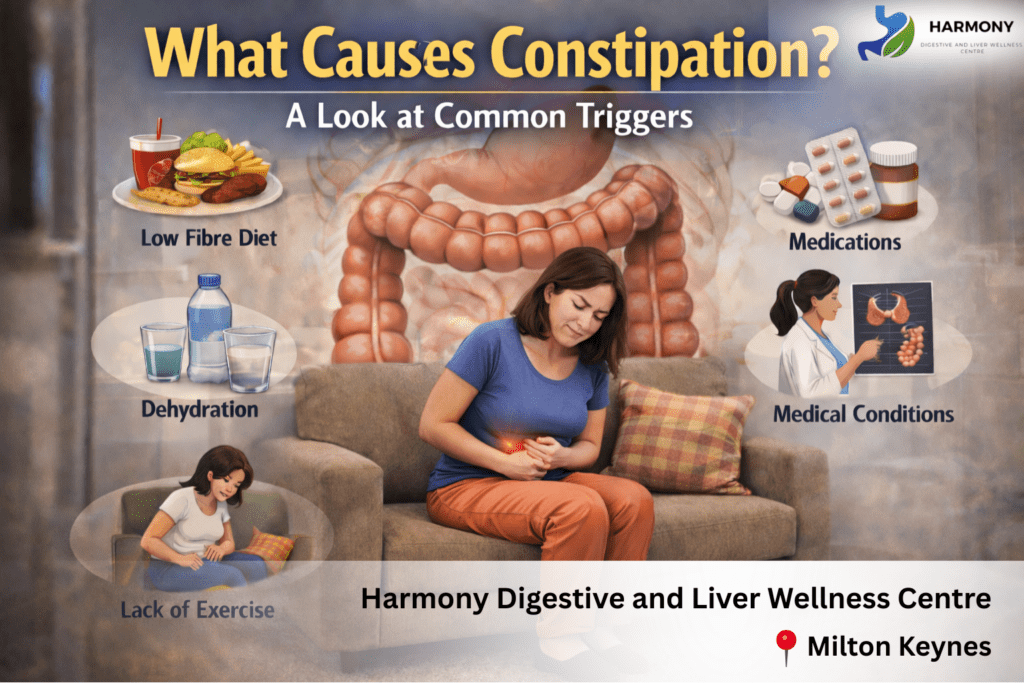
Many people deal with constipation at some point. For some it’s temporary, but for others it becomes a regular problem with bloating and discomfort. This often leads to the question: what causes constipation? At Harmony Digestive and Liver Wellness Centre, we regularly meet patients looking for answers. This blog clearly explains the causes of constipation and what may be behind the change. What is constipation? Constipation generally means going to the toilet less than three times a week, passing hard or dry stools, or feeling like you still haven’t fully emptied your bowels. Understanding what causes constipation starts with recognising that digestion depends on diet, hydration, gut movement, and lifestyle habits working together. When any of these factors change, bowel movements can slow down. Low fibre intake When asking what causes constipation, low fibre intake is often a key reason. Fibre supports smooth digestion and stops stools from hardening. Eating fewer fruits, vegetables, and whole grains can slow things down. A sudden shift to processed or low-fibre foods may quickly affect bowel regularity. Not drinking enough fluids Water plays a key role in digestion. When fluid intake drops, the body absorbs more water from stool, making it dry and hard. Dehydration is a frequent but overlooked reason what causes constipation, especially in older adults and people who drink a lot of tea or coffee without balancing it with water. Lack of physical activity The body’s digestion works better with regular movement. A sedentary routine can slow bowel function and increase the chances of constipation. Spending long periods sitting, resting in bed, or moving less due to illness or surgery is a common reason behind what causes constipation. Ignoring the urge to go Delaying bowel movements can train the body to ignore natural signals. As this continues, bowel movements may become less regular and stools harder to pass. Busy days, travel, or difficulty finding a restroom can make this problem worse. Medications and supplements Several medications affect bowel function. Painkillers, iron tablets, antidepressants, blood pressure medicines, and some antacids can slow digestion. When patients ask what causes constipation, medication review often provides the answer. Digestive and medical conditions Constipation sometimes signals an underlying condition. Irritable bowel syndrome (IBS), thyroid disorders, diabetes, gut narrowing, or neurological conditions can all affect bowel movement. Hormonal changes during pregnancy or menopause may also play a role. Long-lasting constipation should not be ignored without medical advice. When to seek medical advice You should speak to a specialist if constipation: Lasts longer than three weeks Is accompanied by weight loss or bleeding Causes severe abdominal pain Alternates with diarrhoea Appears suddenly without clear cause At Harmony Digestive and Liver Wellness Centre, careful assessment helps identify what causes constipation and guides safe, effective treatment. Final word Constipation is uncomfortable, but it is rarely random. Understanding what causes constipation allows you to make small, meaningful changes that improve bowel health. At Harmony Digestive and Liver Wellness Centre, with the right guidance, most people find relief and regain digestive comfort. Book a consultation or screening today: Click Here. To book a private liver consultation or second opinion, Get in touch with us. Had a great experience with us? We’d love to hear your thoughts! Click here to leave a Google review.
Liver Detoxification: How to Cleanse and Revitalise Your Liver
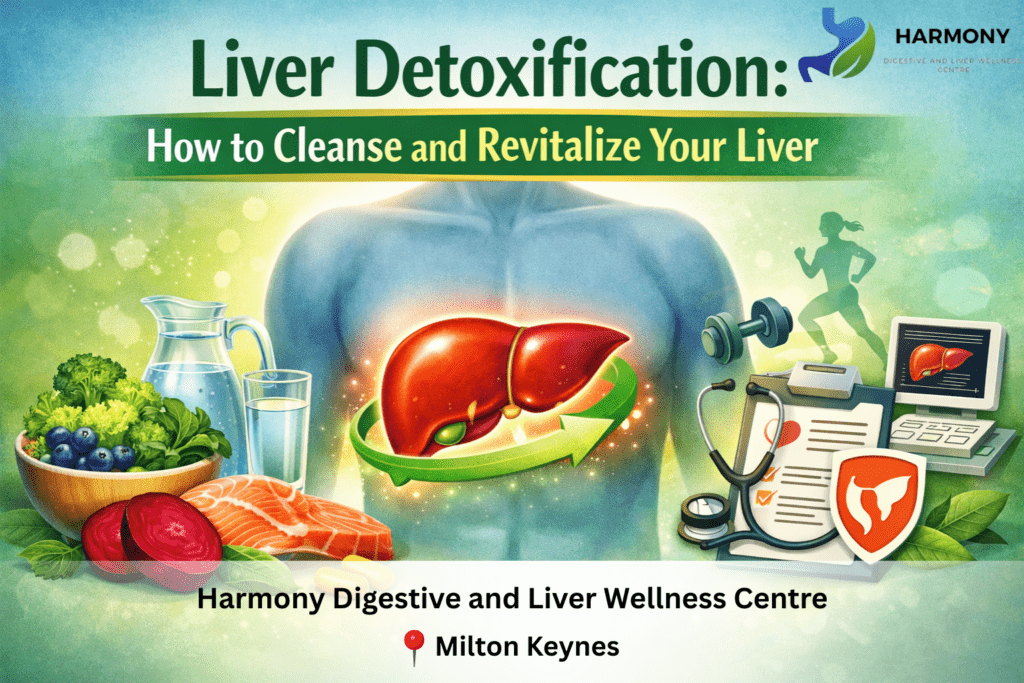
The liver works hard every single day without a break. It helps clear dangerous substances from the blood, handles nutrients from food, supports smooth digestion, and plays a key role in energy balance and immunity. Even though it does so much, liver problems can grow slowly and silently, often without clear symptoms at first. That’s why many people become interested in liver detoxification and wonder how to support their liver naturally and safely. At Harmony Digestive and Liver Wellness Centre, we regularly speak to patients who want to improve liver health without falling for extreme cleanses or misinformation. This guide explains what liver detoxification really means and how you can revitalise your liver in a sensible, evidence-based way. What does liver detoxification actually mean? Harsh cleanses are not necessary for liver detox. The liver already removes toxins as part of its normal job. Liver detoxification is about supporting this natural ability and reducing extra strain. When alcohol, processed foods, excess sugar, drugs, and health conditions are affecting the body, the liver will feel burdened and may not work as well. Good liver care helps it recover and work more effectively. Signs your liver may need support Many people do not realise their liver is under strain. Early signs may include: Persistent fatigue or low energy Poor digestion or bloating Difficulty losing weight Brain fog Mild abdominal discomfort Abnormal liver blood tests Healthy ways to support liver detoxification Good liver care is about daily habits, not quick fixes. Eat healthy foodsVegetables, fruits, whole grains, and lean protein give the liver what it needs to heal. Healthy diet for liver include foods like leafy greens, beetroot, berries, oats, and oily fish help natural liver detoxification. Cut down on alcoholAlcohol puts stress on the liver. Drinking less gives it time to recover. Stay hydratedWater helps flush waste and keeps liver processes working well. Manage body weightExtra body fat increases the chances of fatty liver disease. Weight loss through diet and exercise reduces liver fat and swelling. Exercise oftenMovement helps reduce liver fat and improves overall health. Do detox supplements and cleanses work? Commercial detox plans can sound appealing, but they are not always safe. Harsh methods like fasting or unregulated supplements can hurt the liver. Safe liver detoxification depends on medical assessment to guide the right treatment. When professional assessment matters If symptoms persist or liver blood tests remain abnormal, specialist evaluation is essential. At Harmony Digestive and Liver Wellness Centre, we provide: Comprehensive liver blood tests. Ultrasound and FibroScan assessments. Personalised dietary and lifestyle guidance. Ongoing monitoring and support. This approach supports safe and effective liver detoxification while focusing on what your body specifically needs. Final word The liver does not need aggressive cleansing. It needs care, balance, and consistency. Healthy habits and expert advice support Liver Detoxification, helping your liver work better and improving daily energy. Book a consultation or screening today: Click Here. To book a private liver consultation or second opinion, Get in touch with us. Had a great experience with us? We’d love to hear your thoughts! Click here to leave a Google review.
Choosing the Best Probiotics for Gut Health: What You Need to Know

Bloating, digestive discomfort, irregular stools, and repeated infections are often linked to an unhealthy gut bacteria balance. Probiotics have gained attention for helping restore that balance in a simple way. Learning how to select the Best Probiotics for Gut Health helps you make smarter choices and choose products that actually work for your digestive system. At Harmony Digestive and Liver Wellness Centre, many patients ask whether probiotics are necessary, which types work best, and how to use them safely. This guide explains the essentials in a clear and practical way. What are probiotics and why do they matter? Probiotics are helpful live bacteria that support a balanced gut microbiome. A healthy microbiome improves digestion, supports immunity, and helps manage inflammation. When antibiotics, stress, illness, or unhealthy food habits disturb this balance, digestive symptoms may develop. Using the Best Probiotics for Gut Health can help restore healthy bacteria and improve digestive comfort. When probiotics may be helpful? Not everyone needs probiotic supplements, but they can benefit people who experience: Bloating or excessive gas. Diarrhoea after antibiotics. Constipation or irregular stools. Irritable bowel syndrome (IBS). Frequent infections. Food intolerance symptoms. In these situations, choosing the Best Probiotics for Gut Health may support recovery and improve daily wellbeing. Different probiotic strains and their roles Not all probiotics work in the same way. Each strain offers different benefits. Lactobacillus strains support digestion and help reduce diarrhoea. Bifidobacterium strains improve bowel regularity and reduce bloating. Saccharomyces boulardii helps prevent antibiotic-related diarrhoea. The Best Probiotics for Gut Health usually contain a combination of strains rather than a single type. How to choose the right probiotic Several factors help identify high-quality products. Strain specificityChoose products that list individual strains clearly. Effective doseMost beneficial probiotics fall in the 1–20 billion CFU range per dose. Clinical researchGo for products with proven benefits in studies. Proper storageSome probiotics need refrigeration, while others stay stable at room temperature. Selecting the Best Probiotics for Gut Health is not only about choosing the highest CFU count. How long should probiotics be taken? Probiotics may be taken for a short period after antibiotics or infection, but longer use can support chronic digestive conditions. Symptoms usually improve within two to four weeks if the probiotic suits you. If symptoms worsen or fail to improve, professional advice is recommended. When to seek specialist guidance When bloating, abdominal pain, diarrhoea, or unexplained symptoms persist, it may indicate an underlying issue beyond bacterial imbalance. At Harmony Digestive and Liver Wellness Centre, careful assessment helps decide if probiotics are appropriate or if further investigation is necessary. This approach avoids unnecessary supplementation and ensures safe, targeted care. Final word Probiotics may improve digestion when taken correctly, but different people need different products. Choosing the Best Probiotics for Gut Health requires understanding strains, dosage, and your individual symptoms. Making informed choices and seeking guidance when needed can help probiotics support long-term digestive comfort and wellbeing at Harmony Digestive and Liver Wellness Centre. Book a consultation or screening today: Click Here. To book a private liver consultation or second opinion, Get in touch with us. Had a great experience with us? We’d love to hear your thoughts! Click here to leave a Google review.
How Celiac Disease Diagnosis Works: A Step-by-Step Guide
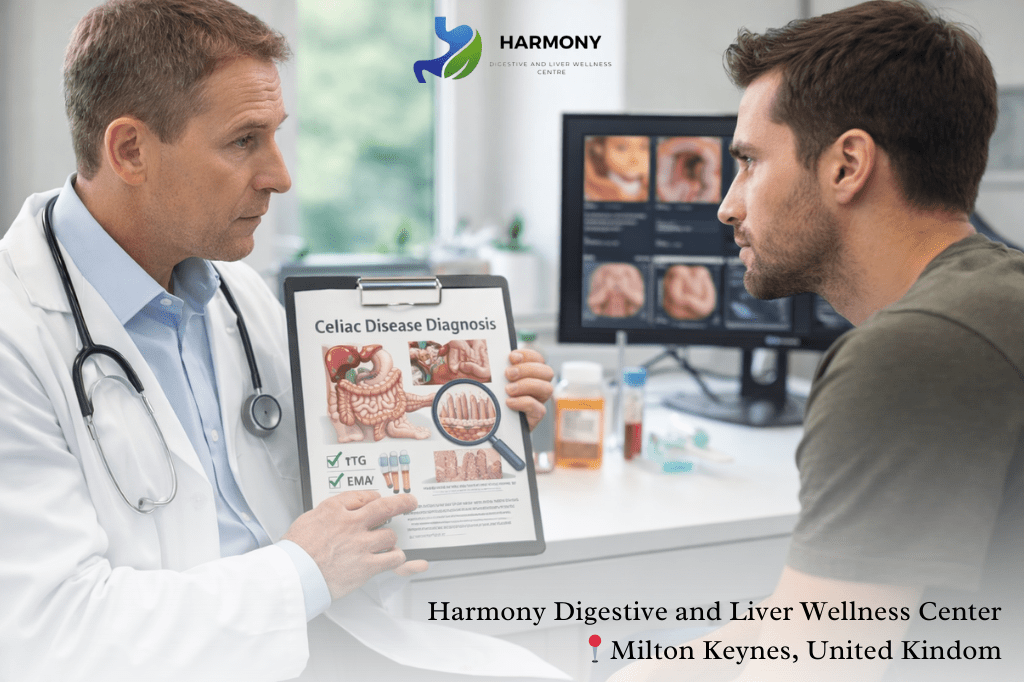
Living with persistent bloating, diarrhoea, fatigue, or unexplained weight loss can feel exhausting, especially when answers are unclear. For some people, these symptoms may indicate celiac disease—an autoimmune condition triggered by gluten. Understanding how celiac disease diagnosis works helps you approach testing correctly and avoid mistakes that can delay accurate results. At Harmony Digestive and Liver Wellness Centre, we often evaluate patients who feel gluten may be affecting their health. This guide explains the diagnostic process clearly, step by step. Step 1: Recognising when testing is needed Testing is often recommended when persistent symptoms suggest an underlying issue. Common reasons for diagnosis include: Chronic diarrhoea or constipation. Bloating and abdominal pain. Unexplained weight loss. Iron deficiency or anaemia. Fatigue and brain fog. Skin rashes such as dermatitis herpetiformis. Family history of celiac disease. Testing is also recommended for people with type 1 diabetes, autoimmune thyroid disease, or unexplained nutrient deficiencies. Step 2: Do not stop eating gluten A major mistake during celiac disease diagnosis is stopping gluten before testing. If gluten is removed too soon, blood tests and biopsies may turn normal despite underlying celiac disease. Doctors typically suggest eating gluten every day for a minimum of six weeks before evaluation. Step 3: Blood tests for celiac antibodies The first formal step in celiac disease diagnosis involves blood tests that look for specific antibodies linked to celiac disease. The most commonly used include: Tissue transglutaminase antibodies (TtG). Endomysial antibodies (EMA). Total IgA levels. Raised antibody levels strongly suggest coeliac disease, although normal results do not completely rule it out in every case. Step 4: Referral for endoscopy and biopsy If blood results are positive, the next stage of celiac disease diagnosis is often an upper endoscopy. During the test, specialists collect small biopsies from the small intestine lining. These samples are examined for villous atrophy, which is typical of celiac disease and confirms the diagnosis. At Harmony Digestive and Liver Wellness Centre, the process is explained clearly and carried out with careful planning to make sure that the patient is at ease. Step 5: Interpreting the results A confirmed diagnosis requires both positive blood tests and typical biopsy findings. In certain paediatric cases, very high antibody results may confirm celiac disease without biopsy. However, adults usually need blood tests plus biopsy. Clear result communication is crucial in celiac disease diagnosis, since it determines lifelong dietary and medical planning. Step 6: Starting treatment and follow-up After celiac disease is confirmed, the first step is a strict lifelong gluten-free diet. Repeat blood tests monitor antibodies and intestinal recovery. Nutrition testing looks for low iron, calcium, vitamin D, and B vitamins. Dietitian guidance makes the diet easier to follow and nutritionally complete. Final word Accurate celiac disease diagnosis requires the right tests, the right timing, and expert interpretation. With a structured approach and specialist guidance, celiac disease can be identified confidently and managed effectively. At Harmony Digestive and Liver Wellness Centre, we provide clear assessment, accurate testing, and ongoing support to help patients regain digestive health and long-term wellbeing. Book a consultation or screening today: Click Here. To book a private liver consultation or second opinion, Get in touch with us. Had a great experience with us? We’d love to hear your thoughts! Click here to leave a Google review.