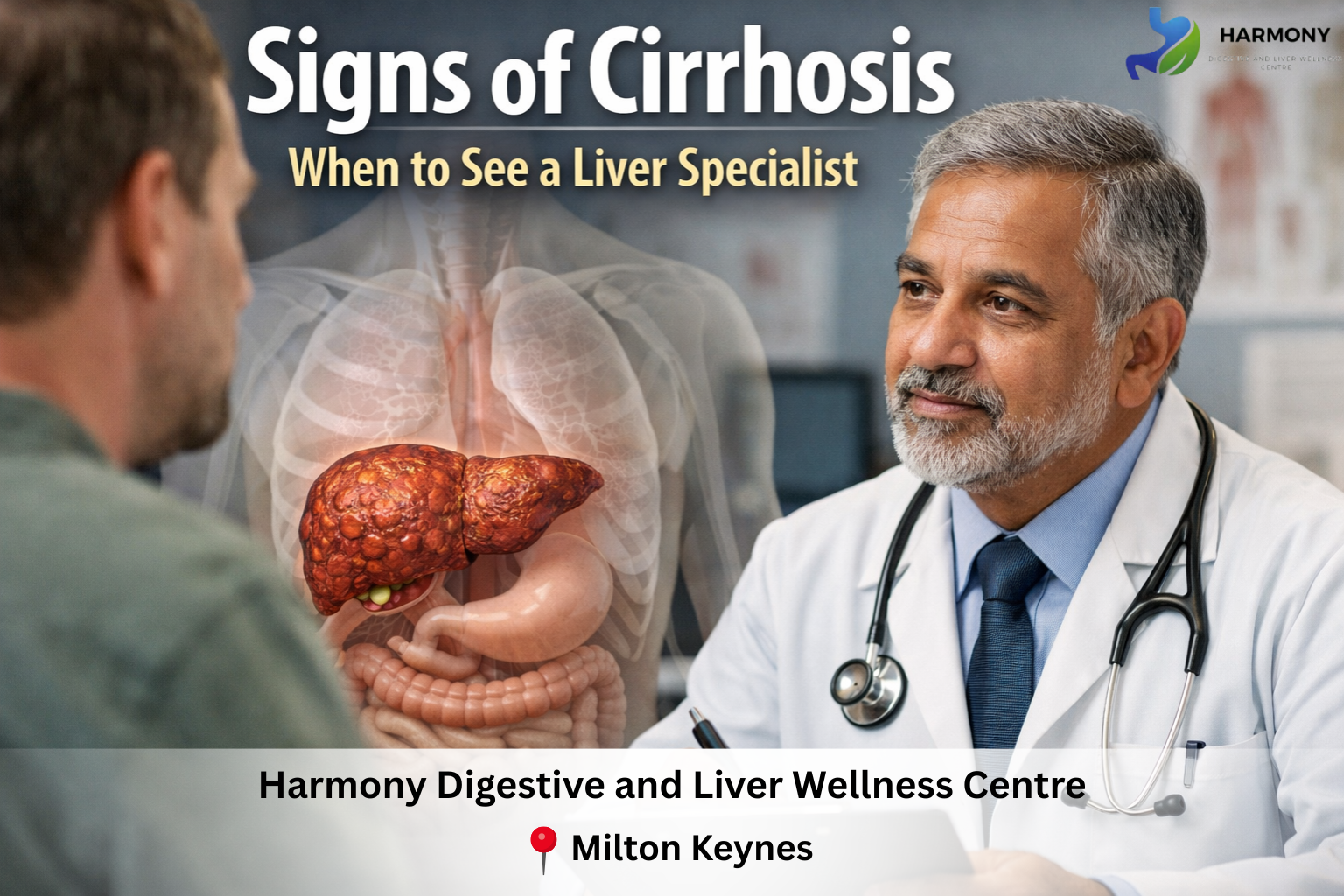
The liver plays an important role in the body. It helps with digestion and removes toxins. It also stores energy and supports metabolism. When the liver gets damaged for a long time it can develop cirrhosis. Many people do not pay much attention to the symptoms because they seem small. But knowing the signs of cirrhosis can help you take action early and protect your liver health.
Cirrhosis happens when healthy liver tissues slowly turn into scar tissues. It affects the working of the liver. With time the damages increase and the liver stops to function normally. Learning about the signs of cirrhosis can help you understand the early signs and see a liver specialist on time.
What is Cirrhosis?
Cirrhosis is a liver condition. It develops after long-term liver damage. The damaged liver tissue becomes scarred and hard. This reduces blood flow through the liver. It also affects the liver’s ability to work.
There are many causes of cirrhosis. It includes long-term alcohol consumption, fatty liver disease and hepatitis infections. Symptoms appear slowly in many cases. This is why it is important to understand the signs of cirrhosis and pay attention to changes in your body.
Early Signs of Cirrhosis
At start, cirrhosis may not cause strong symptoms. Many people feel normal at first. Well, some small changes may start appearing.
These signs include:
- Feeling tired most of the time
- Loss of appetite
- Nausea or mild stomach discomfort
- Pain in the upper abdomen
- Unexplained weight loss
These symptoms can seem like common health problems. But if they continue to happen for many days, it is better to consult a doctor.
Advanced Symptoms
As cirrhosis progresses, symptoms become more noticeable. The body starts to show signs of liver trouble.
Some advanced signs of cirrhosis may include:
- Yellowing of the skin and eyes
- Swelling in the legs or abdomen
- Easy bruising or bleeding
- Dark coloured urine
- Itchy skin
- Confusion or difficulty thinking clearly
These symptoms are not common and should never be ignored as they may indicate serious liver damage.
Click here to know the stages of cirrhosis .
When Should You See a Liver Specialist?
Many people delay visiting a doctor. They think symptoms will disappear with time. But liver problems do not just disappear with time, they gets worse with time if ignored.
You should consider seeing a specialist if:
- Symptoms continue for several weeks
- You notice yellowing of the eyes or skin
- There is swelling around the stomach area
- You feel constant tiredness without doing anything
- Your blood tests show abnormal liver results
A specialist can only check your condition with accuracy. Early diagnosis helps prevent further liver damage. Recognising the signs of cirrhosis early can make treatment more effective.
How Cirrhosis is Diagnosed
Doctors mostly start with a medical examination. They ask patients about symptoms and medical history. Blood tests are also done to check the liver’s condition.
Imaging tests such as ultrasound or fibroscan may also be used. These tests are useful in seeing the actual condition of the liver. They help to measure the amount of liver scarring is there. Early diagnosis makes it easier to manage the disease.
Final word
Cirrhosis is a serious condition. Its symptoms should not be ignored. Understanding the signs of cirrhosis helps people take actions on time. If you notice any unusual symptoms or ongoing liver problems, it is important to consult a specialist. For getting a proper diagnosis and expert digestive care, you can visit Harmony Digestive and Liver Wellness Centre. Here, patients get professional support and treatment for liver and digestive health.
Book a consultation or screening today: Click Here.
To book a private liver or gut consultation or second opinion, Get in touch with us.
Had a great experience with us? We’d love to hear your thoughts! Click here to leave a Google review.