Irritable Bowel Syndrome, also called as IBS is one of the common digestive problems. It affects the stomach and intestines. People suffering from IBS may have symptoms such as stomach pains, gas, bloating, diarrhea or constipation. These symptoms can create problems in daily life. A proper IBS diet can help to control these symptoms and improve digestion.
What we eat plays an important role in managing IBS. Some foods can reduce symptoms while some can even worsen them. Eating the right foods and following healthy habits can help people feel better.
What is an IBS Diet?
An IBS Diet is a diet plan which is made specifically to reduce digestive discomfort. It focuses on foods which are easy to digest and gentle on the stomach.
People with IBS may react differently to certain foods. This is why doctors often suggest keeping track of foods which triggers symptoms. A balanced diet with healthy foods can help to improve digestion and reduce problems.
Food that help in IBS
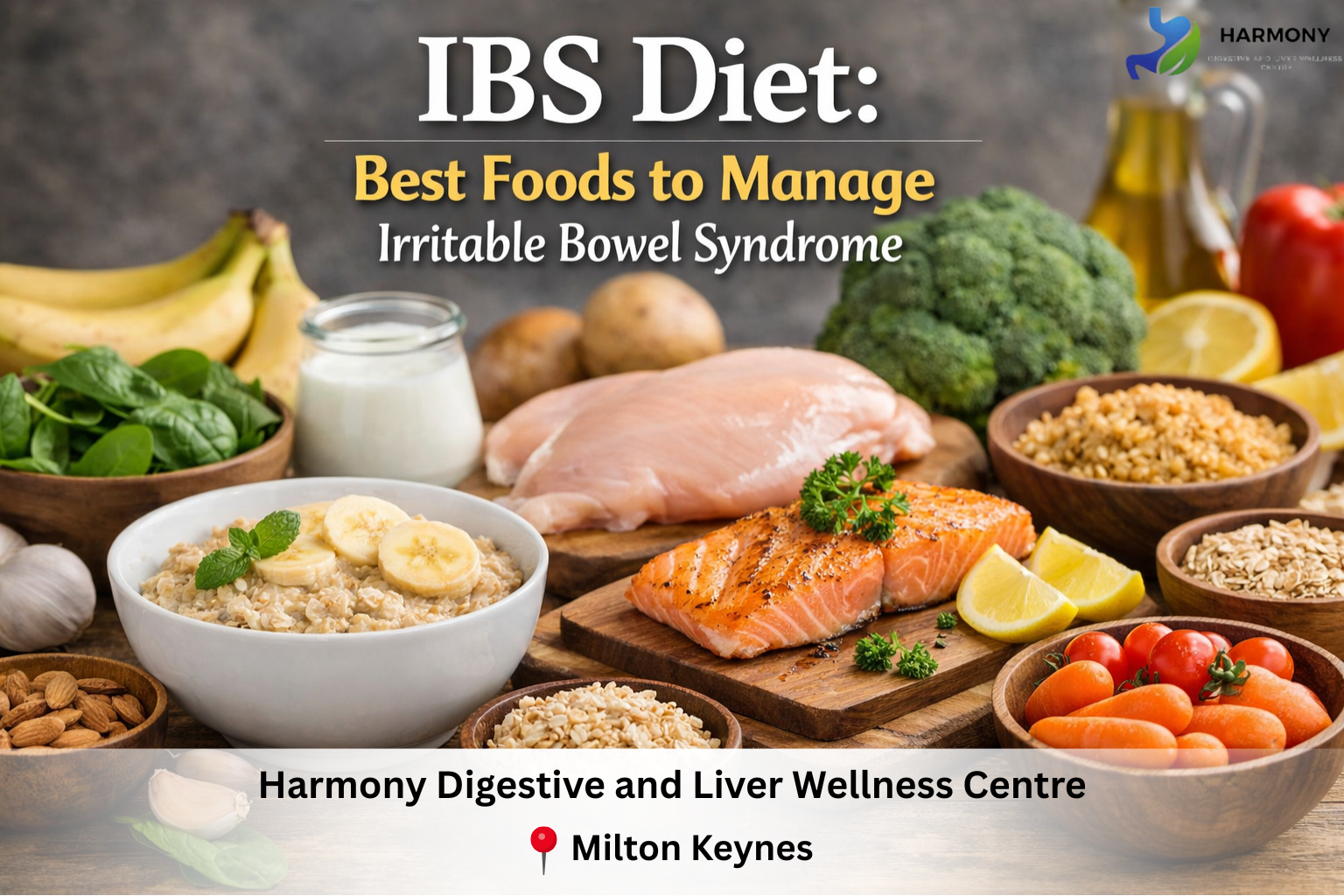
Some foods are easier to digest and may reduce IBS symptoms in many people. These foods can support better digestion and gut health.
Common foods recommended in an IBS Diet include:
- Oats and oatmeal
- Rice
- Bananas
- Carrots
- Spinach
- Yogurt with probiotics
- Lean proteins like chicken or fish
These proteins are gentle on the stomach and can help reduce irritation in the digestive system.
Foods to Avoid with IBS
There are certain foods that can worsen the IBS symptoms. These foods can cause gas, bloating or stomach pain.
People with IBS should limit or avoid:
- Fried and oily foods
- Spicy foods
- Processed foods
- Carbonated drinks
- Excess caffeine
- Artificial sweeteners
Reducing these foods can help control digestive discomfort.
Importance of Fiber in IBS Diet
Fiber is very important for digestion. Well, people with IBS need to select the right type of fiber for themselves.
Soluble fiber is easier to digest. It can be beneficial for both constipation and diarrhea.
Good sources of soluble fiber include:
- Oats
- Apples
- Carrots
- Barley
- Psyllium husk
People should increase fiber slowly. Eating too much fiber at once can also cause bloating or gas.
Healthy Eating Habits for IBS:
Only eating right food will not work if you do not have good eating habits. Simple lifestyle changes can help manage IBS symptoms.
Helpful habits are:
- Eat small meals throughout the day
- Eat slowly and chew food well
- Drink enough water
- Avoid skipping meals
- Manage stress levels
Stress can also affect digestion. So keep yourself relax, follow relaxation methods like walking, yoga or deep breathing. It helps to reduce the symptoms.
When to Consult a Doctor
IBS symptoms can be different for each person. Some people may need medical advice to manage their condition.
A doctor can help in identifying trigger foods and suggest the right diet plan. They may also recommend tests or treatment if symptoms are severe.
Final word
Proper diet and healthy habits are necessary to manage IBS. A balanced IBS diet with easy to digest foods can help to reduce symptoms and improve digestion. Avoiding trigger foods and maintaining a healthy lifestyle will be helpful in making life more comfortable.
For proper diagnosis, it is important to consult a digestive health specialist. Contact Harmony Digestive and Liver Wellness Centre to get proper treatment, care and dietary guidance to manage IBS and maintain better digestive health.
Book a consultation or screening today: Click Here.
To book a private liver or gut consultation or second opinion, Get in touch with us.
Had a great experience with us? We’d love to hear your thoughts! Click here to leave a Google review.