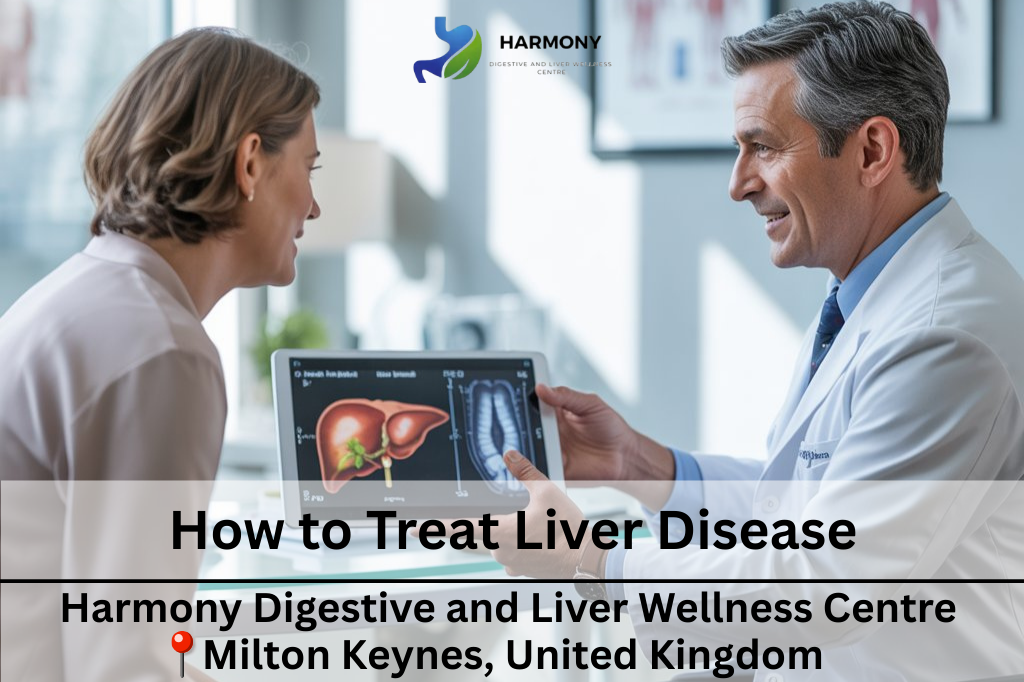
Liver disease can affect many people, yet many people do not understand when their liver starts to function improperly. Early symptoms can be ignored easily. But understanding how to treat liver disease helps you to take control of your health before the condition progresses. At Harmony Liver and Digestive Wellness Centre, we help patients to protect, repair and support their liver function for a long term.
What Treating Liver Disease Really Means
Treatment depends on the underlying cause. Liver disease is not a single condition, it can be due to fat accumulation, alcohol use, viral infections, autoimmune issues, genetics, or medication-related damage. To understand how to treat liver disease, you first need the correct diagnosis. Once the cause becomes clear, treatment can target swelling, reduce scarring, and prevent further harm.
Common diagnostic tools include:
- Liver blood tests.
- Ultrasound or FibroScan.
- Screening for viral hepatitis.
- Assessment of alcohol-related injury.
- Metabolic health evaluation.
Lifestyle Changes: The Foundation of Treatment
Making a change in the lifestyle habits is the most important part of how to treat liver disease. These interventions work for fatty liver disease, early fibrosis, and alcohol-related changes.
1. Healthy Diet
A balanced diet rich in whole grains, vegetables, lean protein, and healthy fats helps in liver repair. Reducing sugar, ultra-processed foods, and saturated fats lowers liver fat and swelling.
2. Regular Exercise
Regular physical activity helps lower liver fat and makes your body more sensitive to insulin.
3. Alcohol Reduction or Avoidance
Alcohol is the major cause of liver damage. Cutting down or avoiding alcohol plays an important role in liver recovery.
Medical Treatments and Specialist Care
Sometimes, making lifestyle changes alone may not help in treating liver disease. Understanding how to treat liver disease also involves exploring medical therapies.
1. Treating the Underlying Cause
- Hepatitis B or C: Antiviral medication.
- Autoimmune hepatitis: Managed with steroids or immune-suppressing drugs.
- Genetic liver conditions: Require targeted medical care.
- Alcohol-related injury: Supervised withdrawal and nutritional support.
2. Managing Complications
People with advanced disease may require treatment for:
- Fluid retention.
- Confusion related to ammonia build-up.
- Vitamin deficiencies.
Timely detection helps to prevent serious complications like cirrhosis or liver failure.
Monitoring and Regular Check-ups
Knowing how to treat liver disease also means understanding the importance of continuous check-ups. Liver conditions can change with time, so repeat scans and blood tests make sure that treatment given is effective. Regular reviews help detect the presence of other conditions such as fibrosis early when it is still reversible.
What You Can Do Today
If you think you have symptoms, taking action now can make a huge difference. At Harmony Liver and Digestive Wellness Centre, we offer:
- Complete liver assessment.
- FibroScan and ultrasound.
- Tests for hepatitis, autoimmune conditions, and metabolic disorders.
- Personalised treatment plans.
- Lifestyle guidance.
Final Word
Understanding how to treat liver disease helps you take charge of your health. Timely treatment helps to reverse the condition and also helps to manage the advanced cases effectively with the right support. With expert care and healthy habits, you can keep your liver well for a long time.
Book a consultation or screening today: Click Here.
To book a private liver consultation or second opinion, Get in touch with us.
Had a great experience with us? We’d love to hear your thoughts! Click here to leave a Google review.