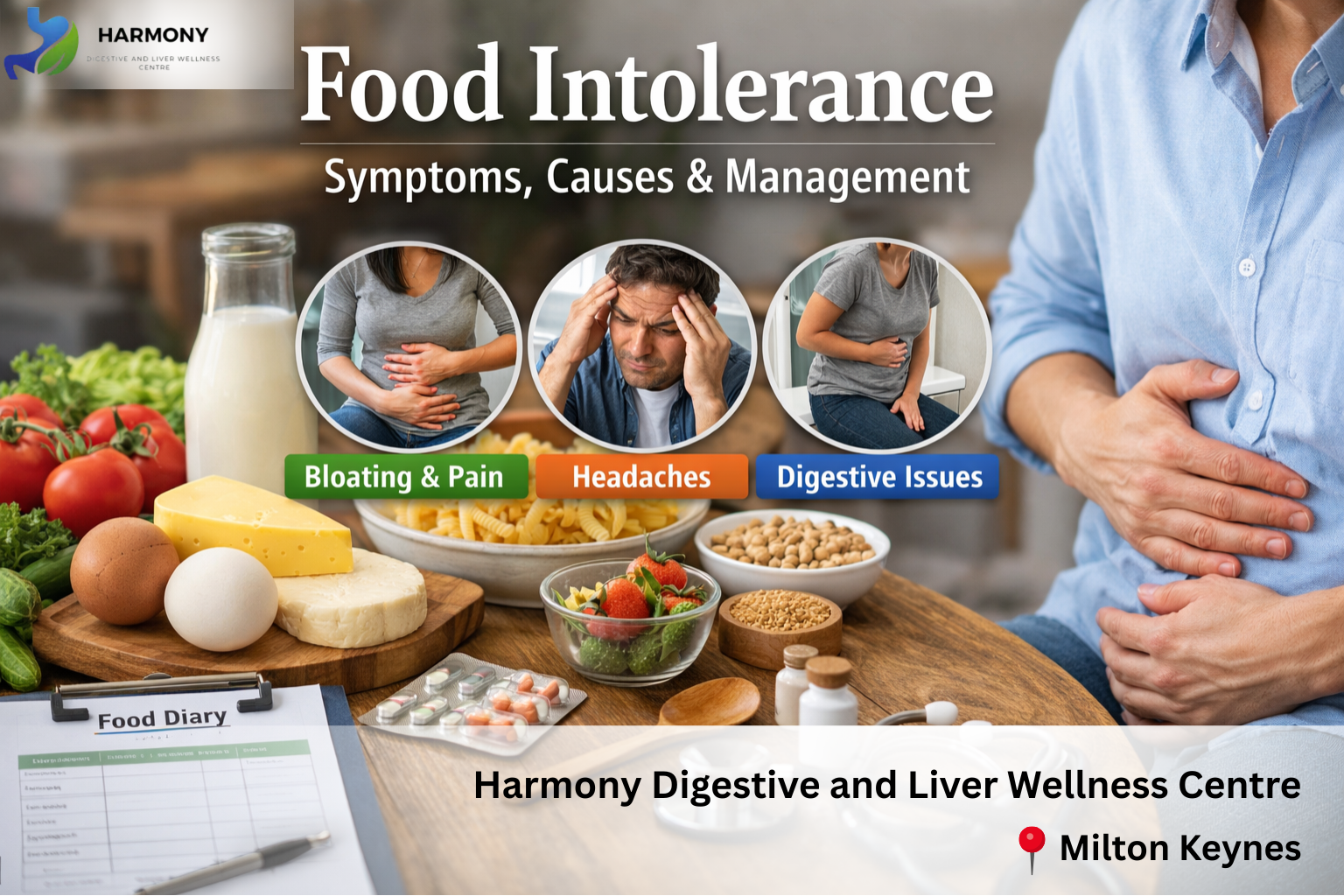
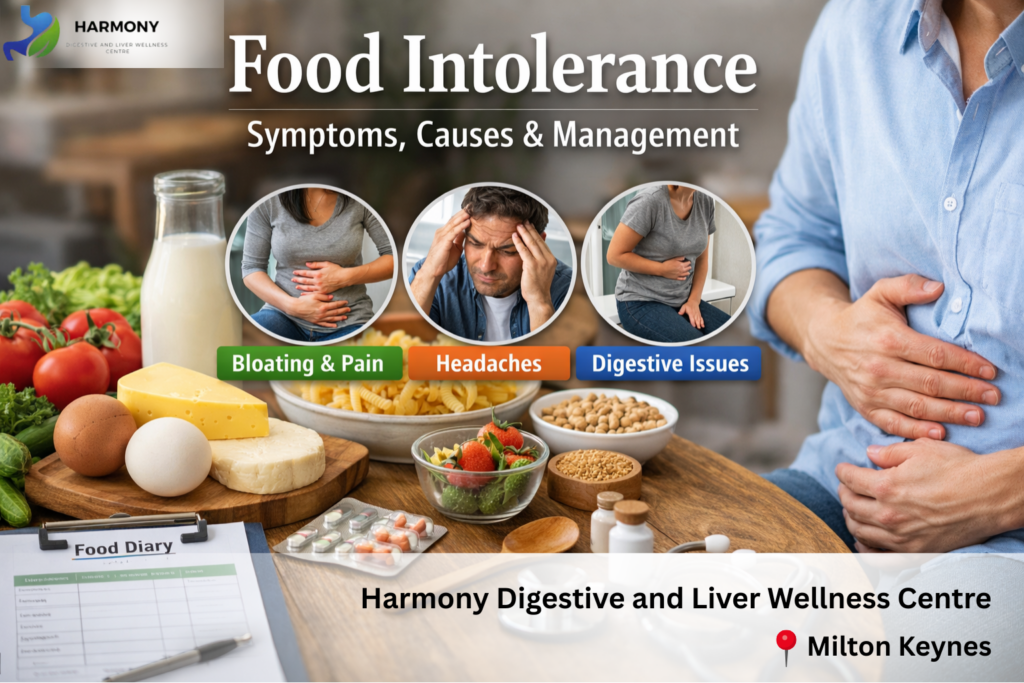
Many people feel discomfort after eating certain foods. They may not be an allergy. It can be food intolerance. It affects digestion and causes uneasy symptoms.
Food intolerance is very common and can happen at any age. It is important to understand it so that you can manage your diet in a better way.
What is Food Intolerance?
Food intolerance means your body is unable to digest certain foods properly. It is not same as the food allergy. It does not involve the immune system.
It usually affects the digestive system. Symptoms may start to appear slowly. They may come after eating a specific food. Common examples include lactose intolerance and gluten sensitivity.
Common Symptoms of Food Intolerance
The symptoms can vary from person to person. They are mostly mild but still they may feel very uncomfortable.
Some common signs are:
- Bloating and gas
- Stomach pain
- Diarrhea
- Nausea
- Headache
These symptoms often appear after eating certain foods which your body cannot digest properly. It is necessary to keep track of your meals as it can help identify the cause.
Causes of Food Intolerance
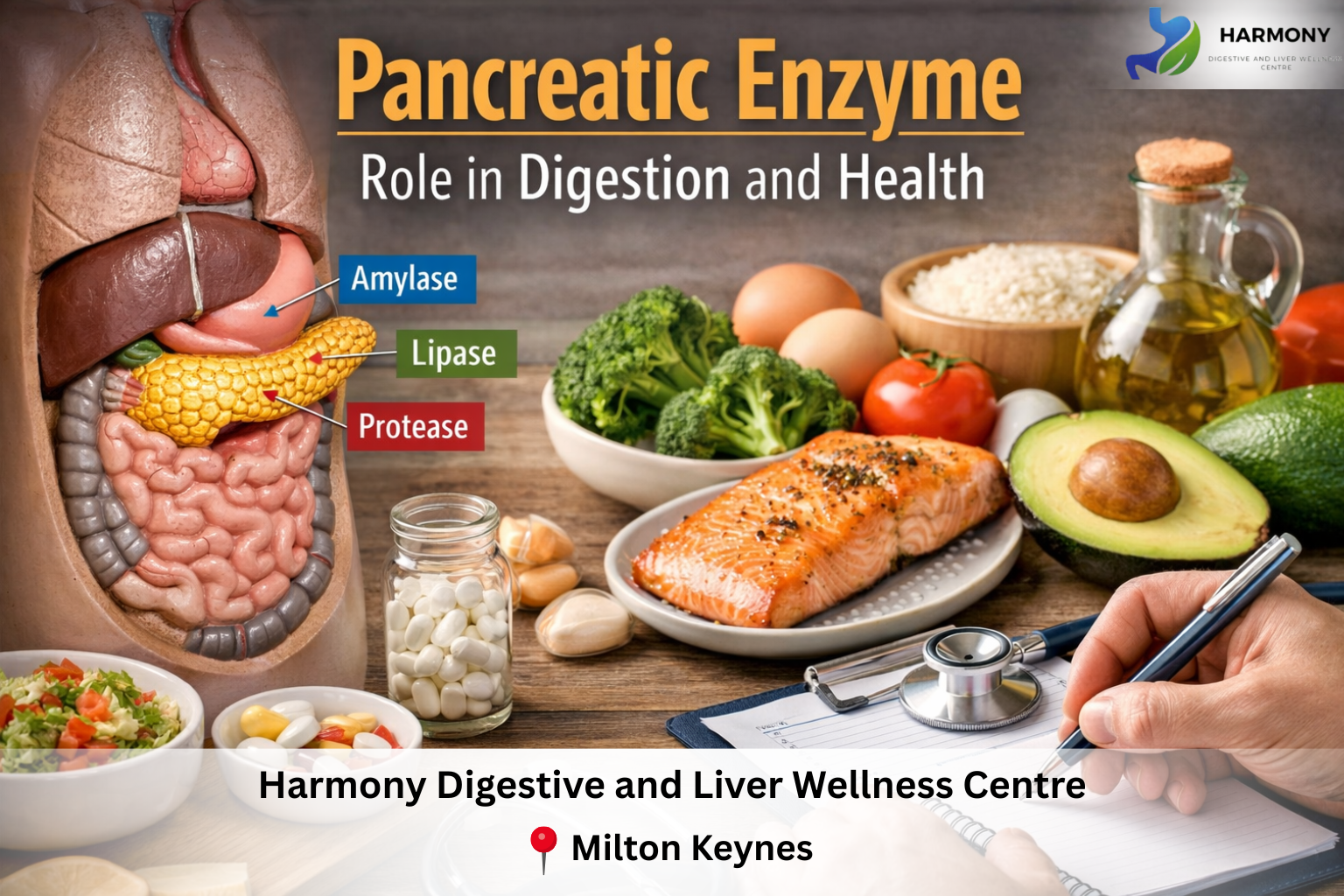
There are many reasons for food intolerance. One common cause is the lack of digestive enzymes. Due to the lack of digestive enzymes, it becomes hard to break down certain foods.
Another cause can be sensitivity to food chemicals or additives. Some people react to preservatives or artificial colors.
Gut health also plays a role. If your digestive system is weak then it may lead to more food intolerance issues.
Difference between Allergy and Intolerance
Many people get confused between food allergy and food intolerance. Well, food intolerance is not same as a food allergy. The two conditions are different.
A food allergy can cause serious reactions. It involves the immune system and the symptoms may appear very fast.
Whereas food intolerance is usually less severe. It mainly affects digestion. The symptoms are slower and milder.
How to Manage Food Intolerance
You can easily manage food intolerance by following some simple steps. The very first step is to identify trigger foods. Once you know the cause, you can easily avoid or limit the intake of that food. You can also try small portions to see your tolerance level.
Some helpful steps include:
- Try to keep a food diary
- Eat simple and fresh food
- Avoid eating processed foods
Follow these steps to reduce symptoms and improve digestion.
Importance of a Healthy Diet
A balanced diet supports good digestion. It also helps reduce food intolerance symptoms.
Make sure to eat more fruits, vegetables and whole foods. Drink enough water during the day. Avoid overeating and heavy meals. Healthy eating habits can improve your gut health over time.
When to See a Doctor
You need to consult a doctor if you get the symptoms frequently. Do not ignore regular discomfort after meals. Seek help if you have constant or frequent stomach pain, long-term diarrhea or sudden weight loss. Proper diagnosis is important. A doctor may suggest tests or diet changes. This helps in better management.
Final word
Food intolerance can affect daily life but it can be managed. Understand your symptoms and the causes properly. It helps in better control. Simple diet changes can make a big difference.
If you are having digestive issues, expert care is important. Harmony Digestive and Liver Wellness Centre provides diagnosis and treatment for food intolerance and digestive problems. Visit Harmony Digestive and Liver Wellness Centre today and take a step towards better digestive health.
Book a consultation or screening today: Click Here.
To book a private liver or gut consultation or second opinion, Get in touch with us.
Had a great experience with us? We’d love to hear your thoughts! Click here to leave a Google review.